Iron is one of those nutrients your body can't do without—it helps red blood cells carry oxygen, supports energy levels, and keeps your immune system working properly. But eating iron-rich foods is only half the battle. How well your body actually absorbs that iron depends a lot on what else is on your plate.
Some foods naturally boost iron absorption, while others can block it. If you've been feeling low on energy or your doctor mentioned your iron stores are low, adjusting your meals could make a real difference. Here are five foods that help your body absorb more iron naturally.
Why Iron Absorption Matters
Not all iron is created equal. The iron in meat, poultry, and fish (heme iron) is absorbed more easily than the iron in plant foods like spinach, beans, and lentils (non-heme iron). That's why vegetarians and vegans often need to be more intentional about their iron sources.
The good news: certain foods can significantly boost your body's ability to take in non-heme iron. Adding them to meals that already contain iron is a simple, effective strategy.
1. Citrus Fruits
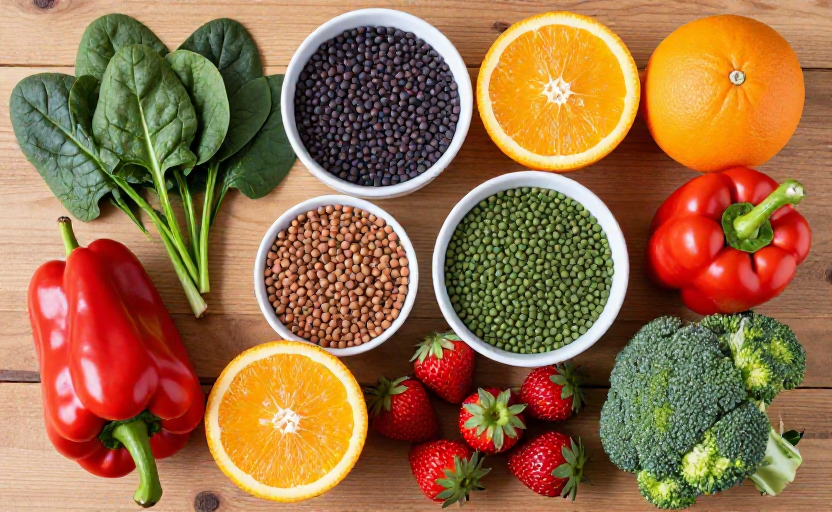
Oranges, grapefruits, lemons, and limes are packed with vitamin C, and vitamin C is one of the most powerful enhancers of iron absorption. When you eat vitamin C alongside non-heme iron, it helps convert the iron into a form your body can more easily absorb.
A squeeze of lemon over lentil soup, a glass of orange juice with your oatmeal, or grapefruit segments added to a spinach salad—these small additions can significantly increase how much iron you actually get from the meal. Studies suggest that vitamin C can boost iron absorption by up to six times in some cases.
2. Bell Peppers
Bell peppers are another excellent source of vitamin C—in fact, a single red bell pepper contains more vitamin C than an orange. They're versatile, too. Toss diced bell peppers into stir-fries with tofu or tempeh, add them to bean salads, or enjoy raw slices with hummus.
A simple combination of black beans, brown rice, and chopped red bell pepper provides both iron and a natural absorption booster in one dish.
3. Tomatoes
Tomatoes offer a double benefit: they contain both vitamin C and lycopene, an antioxidant that supports overall health. Cooked tomatoes—like those in marinara sauce, tomato paste, or stewed tomatoes—still retain a good amount of vitamin C, making them a reliable partner for iron-rich foods.
Think of classic pairings: lentil bolognese, chickpea curry with tomato base, or a hearty minestrone soup. In each case, the tomatoes are doing more than adding flavor—they're helping you absorb more iron from the beans and legumes.
4. Strawberries and Kiwi
Berries aren't just for smoothie bowls. Strawberries, kiwi, and even pineapple contain significant amounts of vitamin C. A handful of strawberries over iron-fortified cereal or sliced kiwi alongside a spinach and quinoa salad can work wonders.
If you're looking for a sweet way to end a meal that also supports iron absorption, fresh fruit is a smart choice. Just avoid pairing it with tea or coffee immediately afterward—the tannins in those beverages can reduce iron absorption.
5. Cruciferous Vegetables
Broccoli, Brussels sprouts, kale, and cauliflower are known for their fiber and antioxidant content, but they're also good sources of vitamin C. A cup of cooked broccoli provides about as much vitamin C as a small orange.
These vegetables work on two fronts: they provide some iron themselves, and the vitamin C they contain helps your body absorb iron from other foods you eat in the same meal. Roasted Brussels sprouts alongside a lentil bowl or steamed broccoli with a bean burrito are practical, tasty ways to combine them.
Tips for Maximizing Iron Absorption
Pairing iron-rich foods with vitamin C-rich foods is the most effective dietary strategy, but a few other habits can help:
- Space out tea and coffee — Tannins in these drinks can interfere with iron absorption. Wait at least an hour after a meal before drinking them.
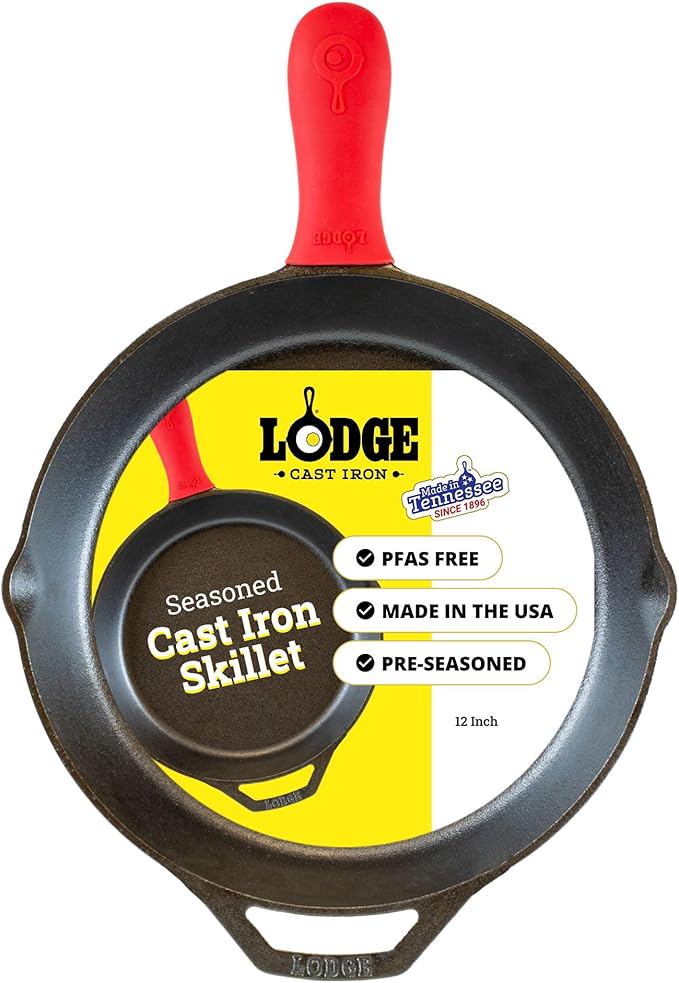
- Cook in a cast-iron skillet — Small amounts of iron can leach into your food, especially when cooking acidic foods like tomatoes.
- Avoid calcium supplements at the same meal — Calcium can compete with iron for absorption. If you take a calcium supplement, have it at a different time of day.
Small changes in how you combine foods can make a meaningful difference in your iron levels over time. It's not about overhauling your diet—just making it work smarter.
Who Might Benefit Most from These Pairings
Anyone following a plant-based or vegetarian diet will find these tips especially useful. Women with heavy menstrual cycles, endurance athletes, and people with certain digestive conditions may also need to pay extra attention to iron absorption.
If you suspect you're low in iron, a simple blood test can confirm it. From there, a healthcare provider can guide you on whether food changes alone are enough or if supplementation is needed.