
For decades, dietary fat was treated like a villain. The good news is that nutrition science has moved on. We now know that certain types of fat are not just harmless—they are essential for heart health, brain function, and hormone balance. The key is choosing the right sources.
Dietitians agree that replacing saturated and trans fats with unsaturated fats can help lower bad cholesterol, reduce inflammation, and support a healthy cardiovascular system. Below are five whole foods that consistently top their lists for delivering high-quality, heart-friendly fats.
1. Avocados: More Than Toast Topper
Avocados are rich in monounsaturated fat, particularly oleic acid, the same type found in olive oil. A single medium avocado provides about 15 grams of monounsaturated fat and only 2 grams of saturated fat. This profile helps lower LDL ("bad") cholesterol while maintaining HDL ("good") cholesterol.
Beyond fat, avocados deliver potassium (more per gram than bananas), fiber, and folate. Dietitians suggest adding a quarter or half to a salad, blending into smoothies for creaminess, or simply eating it with a spoon and a pinch of sea salt.
2. Fatty Fish: The Omega-3 Powerhouse
Salmon, mackerel, sardines, herring, and anchovies are packed with long-chain omega-3 fatty acids EPA and DHA. These fats are known to reduce triglycerides, lower blood pressure slightly, and decrease the risk of arrhythmias. The American Heart Association recommends eating two servings (about 6 ounces total) of fatty fish per week.
Canned sardines and salmon are convenient, shelf-stable options. For those who do not eat fish, algae-based omega-3 supplements can provide DHA, though whole food sources offer additional nutrients like selenium and vitamin D.
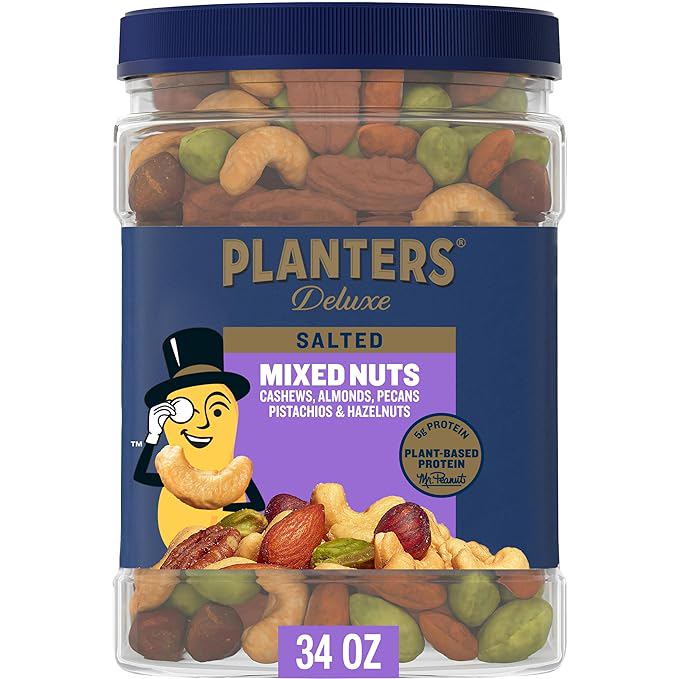
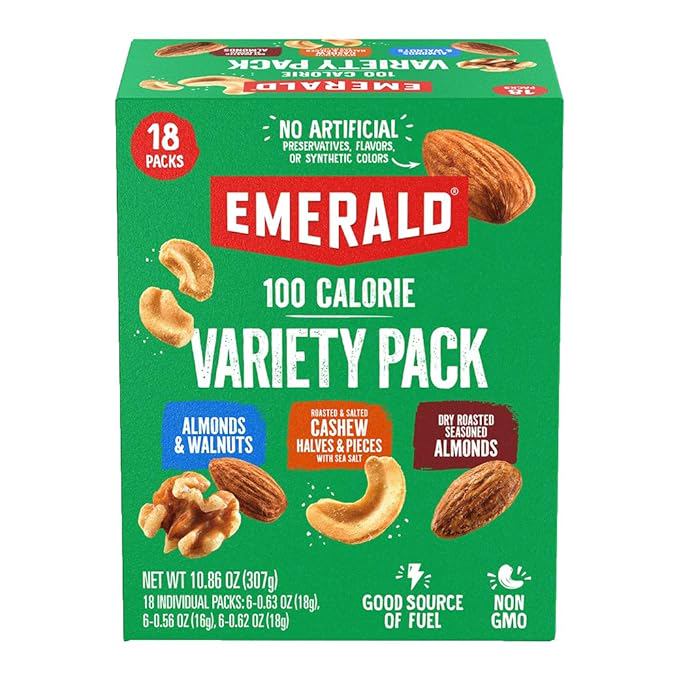
3. Nuts and Seeds: Small Packages, Big Benefits
Almonds, walnuts, flaxseeds, chia seeds, and hemp seeds are concentrated sources of unsaturated fats and fiber. Walnuts stand out because they are one of the few plant foods rich in alpha-linolenic acid (ALA), a type of omega-3. A handful of nuts per day is linked to lower rates of heart disease in large observational studies.
For best results, choose raw or dry-roasted varieties without added oils or salt. Ground flaxseeds and chia seeds also provide a gelling fiber that helps manage blood sugar and cholesterol.
4. Olive Oil: The Mediterranean Staple
Extra-virgin olive oil (EVOO) is the primary fat in the Mediterranean diet, consistently ranked as one of the healthiest eating patterns for the heart. EVOO is high in monounsaturated fat and contains polyphenols—antioxidant compounds that protect blood vessels and reduce inflammation.
Use it for low-heat cooking, dressing salads, or drizzling over roasted vegetables. Dietitians caution against heating EVOO to its smoke point for deep frying; save it for finishing dishes and use regular olive oil or avocado oil for high-heat cooking.
5. Dark Chocolate: A Surprising Source
Dark chocolate with at least 70% cocoa solids contains cocoa butter, which is rich in stearic acid (a saturated fat that appears neutral on cholesterol) and oleic acid. More importantly, cocoa flavanols support blood vessel flexibility and modestly lower blood pressure.
One ounce (about 28 grams) per day is a reasonable serving. Look for bars with minimal added sugar and avoid "alkalized" or "Dutch-processed" cocoa, which reduces flavanol content. Milk chocolate does not provide the same benefits.
Incorporating these foods into a balanced diet does not require a complete kitchen overhaul. Simple swaps—like using olive oil instead of butter, snacking on almonds instead of chips, or adding avocado to a sandwich—can shift your fat profile toward a heart-healthier pattern over time.
While these recommendations are supported by dietitians and research, everyone's health needs are different. Always discuss dietary changes with your healthcare provider, especially if you have existing medical conditions or take medication.