
Healthy fats are essential for hormone production, brain function, and absorbing fat-soluble vitamins. But the way you store, cook, and handle them can quietly destroy their benefits — or even turn them harmful. Here are five common kitchen mistakes that undermine healthy fats, plus simple fixes to protect their nutritional value.
1. Storing oils in clear glass near the stove
Light and heat are the enemies of polyunsaturated fats. When you keep olive oil, flaxseed oil, or walnut oil in a clear bottle on the countertop next to the stove, you're exposing it to two stressors that accelerate oxidation. Oxidized oils not only lose their antioxidant content but can also form potentially inflammatory compounds.
The fix: Buy oils in dark glass bottles or opaque containers, and store them in a cool, dark cabinet away from the oven and stovetop. If you buy in bulk, decant a smaller amount for daily use and keep the rest sealed and refrigerated.
2. Cooking with extra-virgin olive oil at high heat
Extra-virgin olive oil is rich in heart-healthy monounsaturated fats and polyphenols, but it has a lower smoke point (around 375°F or 190°C) than refined oils. When you sear a steak, stir-fry at high heat, or deep-fry with EVOO, you can easily surpass that threshold. Once the oil smokes, its beneficial compounds degrade and harmful compounds like acrolein can form.
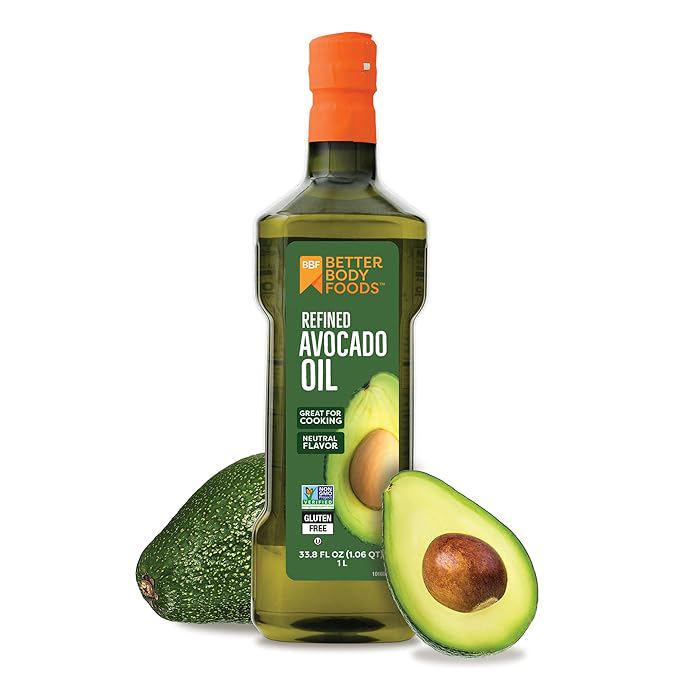
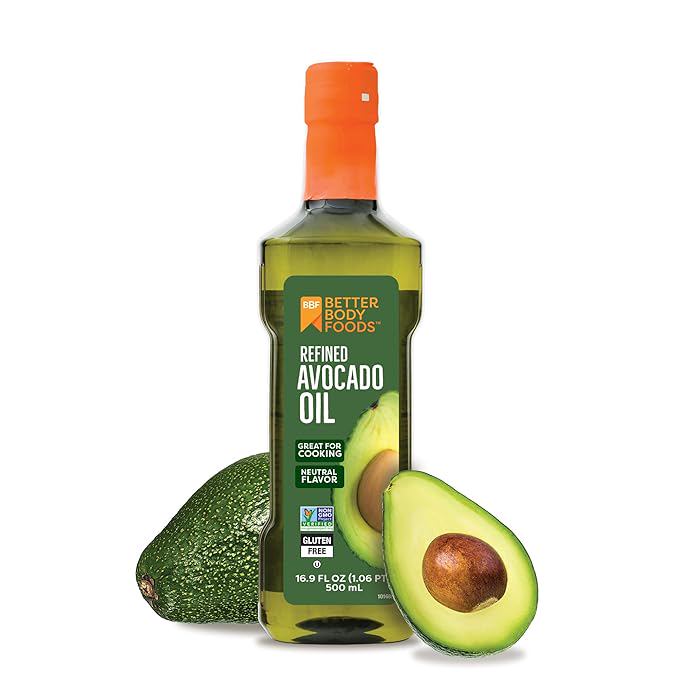
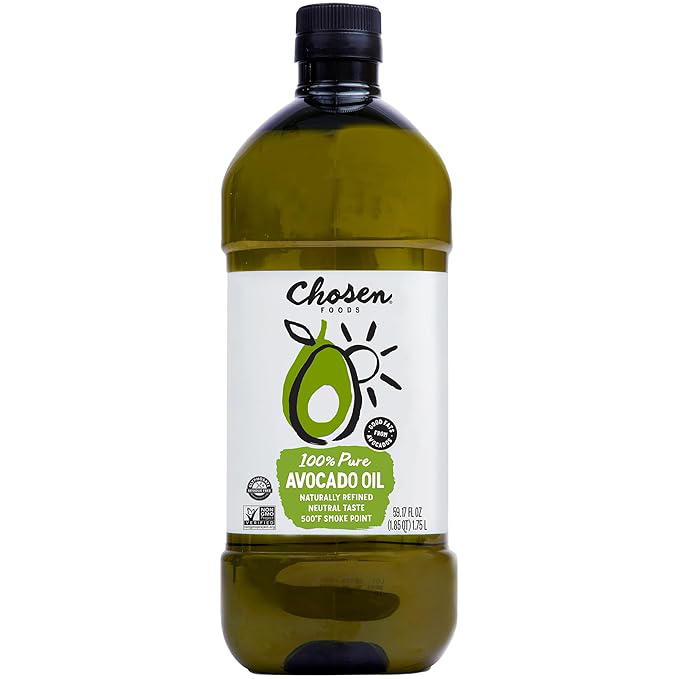
The fix: Reserve extra-virgin olive oil for salad dressings, dipping, and low-heat sautéing. For high-heat cooking (roasting at 400°F+, stir-frying, searing), choose oils with a higher smoke point such as avocado oil, refined coconut oil, or grapeseed oil.
3. Overheating nuts and seeds when roasting
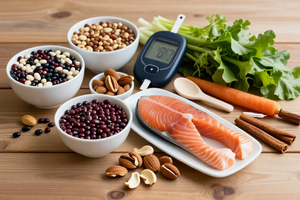
Nuts and seeds are fantastic sources of vitamin E, magnesium, and polyunsaturated fats. But high-temperature roasting — especially for prolonged periods — can oxidize their delicate oils, reducing their antioxidant capacity. Store-bought "roasted" nuts are often cooked at temperatures that cause measurable fat oxidation.
The fix: If you eat nuts raw, they retain the most nutrients. If you prefer roasted flavor, choose dry-roasted nuts (no added oils) and roast them yourself at a low temperature (around 280–300°F or 140–150°C) for 10–15 minutes. Better yet, try a quick pan-toast on the stovetop over medium heat, shaking frequently, for about 3–5 minutes.
4. Discarding the seeds, skin, and fat from whole foods
Many of the most beneficial fatty compounds in whole foods reside in parts we often toss. Avocado skins and seeds contain concentrated polyphenols and fiber. The skin of fatty fish like salmon holds omega-3-rich oils. The fat cap on pasture-raised beef or poultry skin contains conjugated linoleic acid (CLA) and other beneficial fats.
The fix: Eat the edible skins and trim — eat the salmon skin (crispy, not burnt), keep the skin on chicken thighs, and consider using whole avocados including the flesh closest to the skin. For fish, choose skin-on fillets whenever possible to retain omega-3 content.
5. Pre-grinding flaxseeds, chia seeds, and hemp seeds
Whole seeds have a protective shell that keeps their polyunsaturated fats stable. The moment you grind flaxseeds or chia seeds, their beneficial alpha-linolenic acid (ALA) is exposed to air and begins to oxidize. Pre-ground seed powders found in stores may have been sitting on shelves for weeks or months, losing potency.
The fix: Buy whole seeds and grind them yourself using a coffee grinder or mortar and pestle just before using. Keep whole seeds in an airtight container in the fridge to extend freshness. For ground seeds you can't use immediately, store the powder in the freezer.
A quick summary: store oils away from light and heat, match your cooking oil to the temperature, handle nuts gently, keep edible skins on, and grind seeds fresh. Your body will reward you for the extra care.
By making these small adjustments, you ensure that the healthy fats you deliberately include in your diet remain stable, nutritious, and free from the byproducts of oxidation. Your cells — especially your brain and heart — depend on these fats being intact.