You could be eating all the right foods—leafy greens, citrus, lean proteins—and still fall short on key nutrients. The problem isn't always what you eat. Sometimes, it's how your body processes it. Certain everyday habits and food combinations can quietly interfere with your body's ability to absorb essential vitamins and minerals, including vitamin C, iron, calcium, and magnesium.
Here are five common dietary missteps that can block nutrient absorption—and what to do instead.
1. Drinking coffee or tea with meals
That morning coffee or afternoon tea might be working against your iron intake. Tannins and polyphenols in coffee and tea bind to non-heme iron (the type found in plant foods like spinach, beans, and lentils), making it harder for your body to absorb it. If you're prone to low iron, try drinking these beverages between meals rather than with them. A squeeze of lemon or eating vitamin C–rich foods alongside iron sources can offset the effect.
2. Loading up on calcium when taking iron
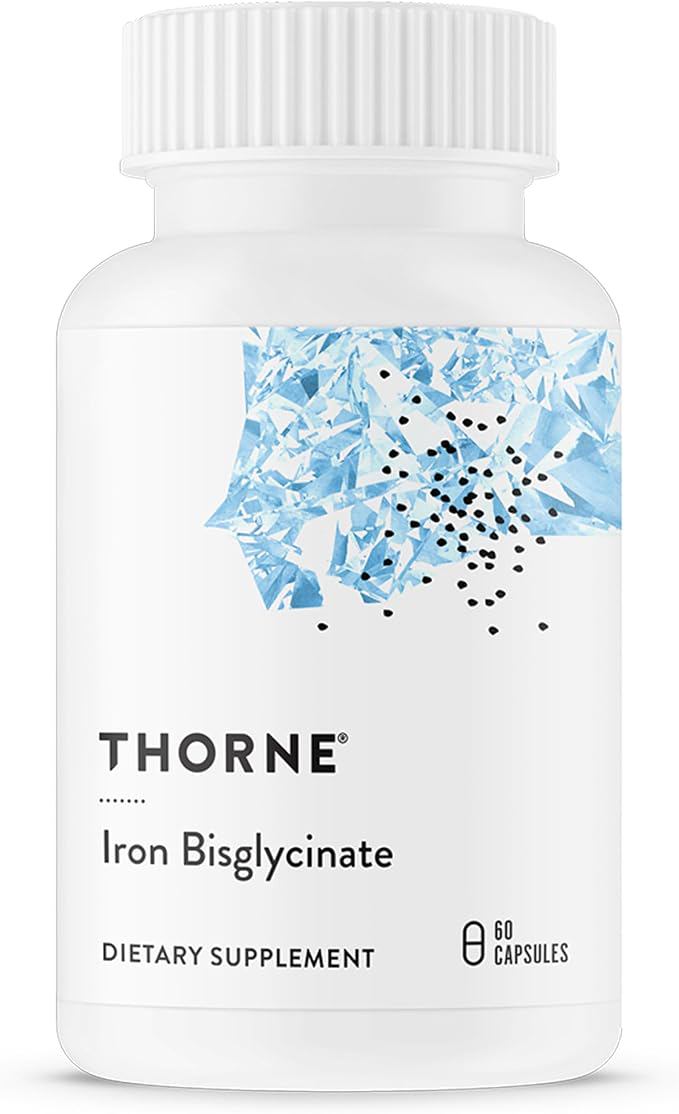
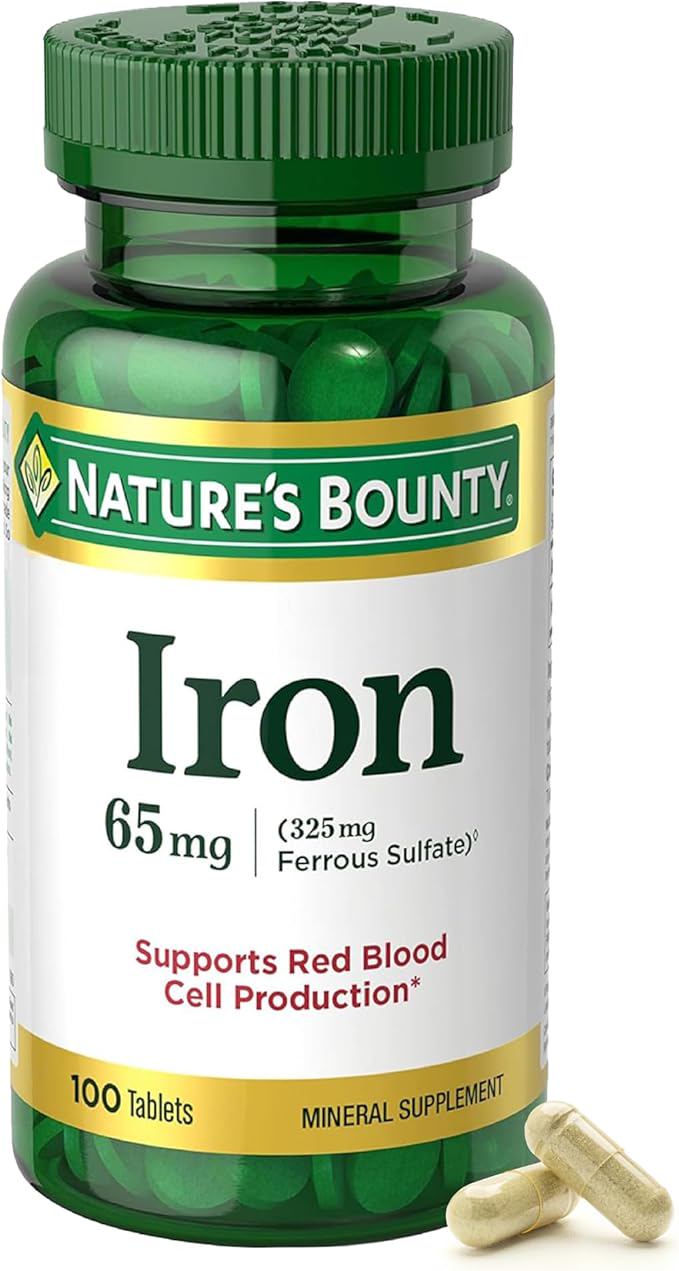
Calcium and iron compete for absorption in the gut. Taking a calcium supplement or eating a high-calcium meal (think dairy or fortified plant milk) at the same time as an iron-rich meal or iron supplement can reduce iron absorption by up to 50 percent. Space them out—have calcium-rich foods at one meal and iron-rich foods at another, several hours apart.
3. Overcooking vegetables (especially those high in vitamin C)
Vitamin C is water-soluble and sensitive to heat. Boiling broccoli, bell peppers, or spinach for too long leaches vitamin C into the cooking water, which is often poured away. To preserve vitamin C, steam, microwave, or lightly sauté vegetables instead of boiling them. Even better, eat some raw: a handful of raw bell pepper strips or a fresh citrus salad can go a long way.
4. Eating too much fiber all at once
Fiber is essential for digestion, but a sudden large dose—especially from wheat bran, whole grains, or supplements—can bind to minerals like calcium, zinc, iron, and magnesium, reducing their absorption. That doesn't mean skip the fiber. Spread your fiber intake across the day and pair high-fiber foods with sources of vitamin C or soaking/sprouting grains and legumes to lower their phytic acid content. This helps your body hold onto the minerals it needs.
5. Ignoring fat for fat-soluble vitamins
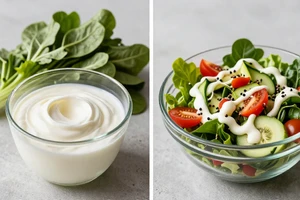
Vitamins A, D, E, and K need dietary fat to be absorbed. If you're eating a very low-fat diet or skipping fat entirely at meals that contain these vitamins—like a carrot salad without dressing or kale chips with no oil—you might not get the full benefit. Add a small amount of healthy fat (avocado, olive oil, nuts, or seeds) to meals rich in fat-soluble vitamins. A drizzle of olive oil on roasted vegetables or a few walnut pieces on a spinach salad makes a real difference.
Quick tips to boost absorption
- Pair iron-rich meals with a vitamin C source (citrus, bell peppers, tomatoes).
- Soak beans, grains, and seeds before cooking to lower phytic acid.
- Cook tomatoes with a little oil to increase lycopene absorption.
- Avoid taking high-dose calcium and iron supplements at the same time of day.
Tiny shifts in how you combine foods and time your meals can help your body unlock more of the nutrients you're already eating. It's not about overhauling your diet overnight—it's about working smarter with what's on your plate.