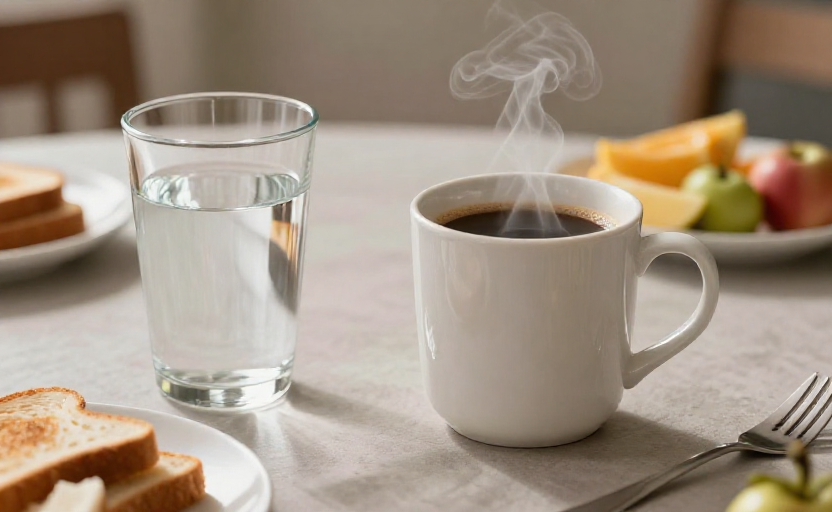
You've heard it a hundred times: start your morning with a big glass of water, skip the coffee until you've hydrated, and never, ever drink anything cold. Breakfast hydration advice is everywhere, and much of it is repeated so often that it's accepted as fact. But some of these well-meaning rules can backfire, leaving you dehydrated, sluggish, or reaching for unhealthy choices before you've even left the kitchen.
Let's clear the table. Here are five common hydration myths that could actually be working against your breakfast routine—and what to do instead.
Myth #1: You Must Chug a Full Glass of Water Before Anything Else
The belief that you need to down 16 to 20 ounces of water the moment you wake up is widespread. The logic makes sense: after hours of sleep, your body is mildly dehydrated. But slamming a large volume of water on an empty stomach can cause discomfort, bloating, and for some people, a rapid drop in stomach acid that makes digesting breakfast harder.
A gentler approach works better. Start with a few slow sips—about half a cup—and let your body wake up. You can continue sipping water while you prepare your meal or enjoy your first cup of tea or coffee. Hydration matters, but forcing it all at once can leave you feeling worse, not better.
Myth #2: Coffee and Tea Don't Count as Hydration
This old myth refuses to fade. The idea that caffeine is a powerful diuretic that dehydrates you more than it hydrates has been debunked by multiple studies. While caffeine does have a mild diuretic effect, the amount of fluid in a standard cup of coffee or tea more than compensates for it. For moderate consumption—two to three cups—coffee and tea contribute to your daily fluid needs just like water does.
The real issue is what you add to your drink. Loading your morning coffee with flavored syrups, sweetened creamers, or several teaspoons of sugar turns a hydrating beverage into a calorie-dense, sugar-spiking treat. If you enjoy coffee or tea with breakfast, drink it freely—just watch the extras.
Myth #3: Cold Water Shocks Your Digestive System
You may have heard that drinking cold water with breakfast solidifies fats, slows digestion, or even stops your metabolism in its tracks. There is no scientific evidence to support these claims. Your body quickly warms any liquid you drink to its core temperature, and cold water does not impair digestion or harm your metabolism.
Temperature preference is personal. Some people find that very cold water triggers a slight headache or stomach cramp, especially if they drink it too fast. If that sounds like you, room-temperature water may be more comfortable. But if you love a glass of ice water alongside your eggs and toast, there's no health reason to stop.
Myth #4: You Should Skip Breakfast Liquids to Save Calories
It's tempting to think that drinking anything other than plain water is wasted calories you can cut. But completely avoiding milk, smoothies, 100% fruit juice, or even a small glass of kefir at breakfast can backfire. These beverages provide essential nutrients—calcium, vitamin D, potassium, protein—that many people struggle to get later in the day.
The trap is portion size and added sugar. A 12-ounce glass of orange juice contains about 160 calories and 30 grams of sugar, which can spike your blood sugar if you drink it alone. The same goes for sweetened almond milk or bottled smoothies with added sugar. Instead of cutting all breakfast drinks, choose a small portion (4 to 6 ounces) and pair it with a source of protein or healthy fat, like eggs, yogurt, or nuts. This balances blood sugar and keeps you full until lunch.
Myth #5: You Can Replace Breakfast with a Hydrating Drink
Green smoothies, protein shakes, and even bone broth have become popular substitutes for a solid breakfast. The idea is that you can get hydration and nutrition in one quick drink. But liquid meals are not a direct swap for chewing food. Chewing triggers digestion from the moment food enters your mouth, releasing enzymes and signaling your gut to prepare. Liquids pass through much faster, which can leave you hungry sooner and less satisfied.
Tip: If you're short on time, pair your smoothie or shake with something you have to chew, like a handful of almonds, a slice of whole-grain toast, or a hard-boiled egg. This simple step improves fullness and nutrient absorption.
Replacing whole food with liquid also makes it easy to overconsume calories without realizing it, especially if your drink includes nut butters, protein powder, and fruit all blended together. A smoothie can quickly become a 500-calorie breakfast that leaves you hungry an hour later because it lacks the structural fiber and protein of whole ingredients.
Building a Better Breakfast Hydration Habit
The best breakfast hydration routine is the one you can stick with consistently. That usually means one that respects your body's signals rather than following rigid rules. Start with a small glass of water or a warm beverage that you enjoy. Include a hydrating food like fresh fruit, yogurt, or oatmeal made with milk or water. And sip fluids throughout the meal—not just before or after.
Your body is good at telling you what it needs. When you stop fighting the myths and start listening to thirst, fullness, and energy levels, your morning will run more smoothly. And that's a habit worth keeping.