When people think about antioxidants, berries usually get the glory. Blueberries, strawberries, raspberries—they deserve the praise, but they aren’t the only players. Dietitians point to a handful of everyday foods that deliver serious antioxidant power, and many of them don’t get the same spotlight. Here are five antioxidant-rich foods that nutrition experts recommend eating daily, and none of them are berries.
Why We Need Antioxidants Every Day
Antioxidants are compounds that help neutralize free radicals—unstable molecules that can damage cells, contribute to aging, and play a role in chronic diseases like heart disease and certain cancers. The body produces some antioxidants naturally, but diet is a major source. Eating a variety of antioxidant-rich foods regularly supports the body’s defense system. The goal isn't a one-time boost; it's consistent intake, which is why dietitians emphasize daily consumption of these foods.
Dark Chocolate
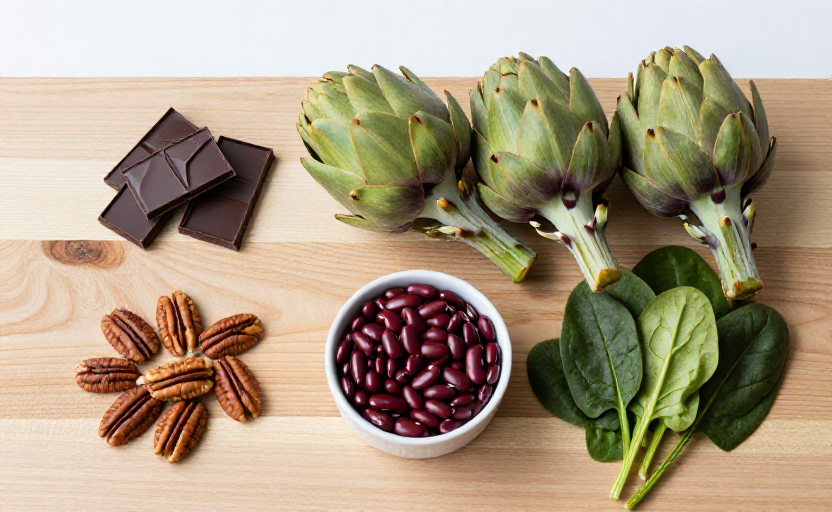
Yes, chocolate can be good for you—but it has to be dark chocolate. Look for varieties with at least 70% cocoa content. Cocoa beans are packed with flavonoids, a type of antioxidant linked to improved heart health, better blood flow, and reduced inflammation. A small piece (about 1 ounce) per day is enough to provide benefits without derailing your diet. The key is choosing chocolate with minimal added sugar and no excessive fillers. Dietitians often recommend it as a satisfying way to get antioxidants while also curbing sweet cravings.
Pecans
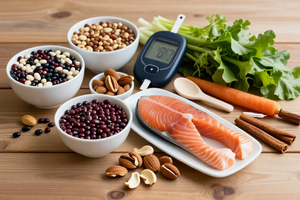
Pecans are often overshadowed by almonds and walnuts, but they hold their own when it comes to antioxidants. According to USDA data, pecans are among the top tree nuts for antioxidant capacity. They contain vitamin E, which protects cell membranes, and ellagic acid, a compound with anti-inflammatory properties. A handful of pecans (about a quarter cup) makes an easy snack or crunchy topping for oatmeal and salads. They also provide healthy fats and fiber, which support heart and digestive health.
Artichokes
Artichokes are one of the most antioxidant-dense vegetables you can eat. The main compound responsible is cynarin, which supports liver function and digestion. Artichokes also contain significant amounts of quercetin and rutin, two flavonoids with anti-inflammatory and immune-supporting properties. Both fresh and canned artichokes (rinsed to reduce sodium) offer these benefits. Adding them to pasta, salads, or dips gives you a nutrient boost that most other vegetables don't match. Many dietitians keep artichoke hearts on hand as a quick way to elevate a meal's antioxidant profile.
Kidney Beans
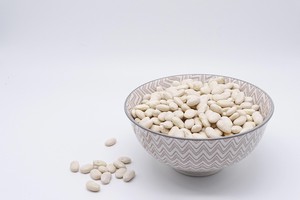
Beans don't usually top the antioxidant charts, but red kidney beans are a standout. Their deep red color comes from anthocyanins—the same type of antioxidant found in berries. In fact, studies have shown that kidney beans have a higher total antioxidant capacity than many fruits. They are also loaded with fiber, plant protein, and folate. A half-cup serving daily can support blood sugar control, heart health, and gut health. Rinse canned beans to cut sodium by roughly 40% before using them in soups, chili, grain bowls, or tacos.
Spinach
Spinach is a versatile leafy green that delivers lutein and zeaxanthin, antioxidants that protect the eyes from blue light damage and age-related macular degeneration. It also contains beta-carotene, vitamin C, and quercetin. Unlike some nutrients that degrade with cooking, certain antioxidants in spinach become more available when it's lightly cooked. That means sautéed, steamed, or wilted spinach can be just as beneficial as raw. A cup of cooked spinach counts as a serving and blends easily into eggs, pasta, soups, and smoothies without overpowering other flavors.
“Eating a rainbow of plant foods is the best way to ensure you get a wide range of antioxidants. These five foods are a strong start, but variety matters.” — dietitian insight shared in clinical practice
How to Make These Foods Part of Your Daily Routine
You don't need a complicated meal plan. Start with one or two of these foods and build from there. Add spinach to your morning eggs or lunch sandwich. Snack on pecans or a square of dark chocolate in the afternoon. Toss kidney beans into soup or chili for dinner. Use artichoke hearts as a pizza topping or blend them into a dip. Small daily additions make the biggest difference over time.
A Word on Balance and Whole Foods
Antioxidant supplements are widely available, but research consistently shows that whole foods deliver better results. The synergistic effect of fiber, vitamins, minerals, and thousands of phytonutrients in whole foods can't be replicated in a pill. Dietitians recommend getting antioxidants from food first, every time. Focus on a variety of colors, textures, and food groups—and don't feel pressured to overhaul your diet overnight. Even one or two of the foods above, eaten daily, can meaningfully increase your antioxidant intake.