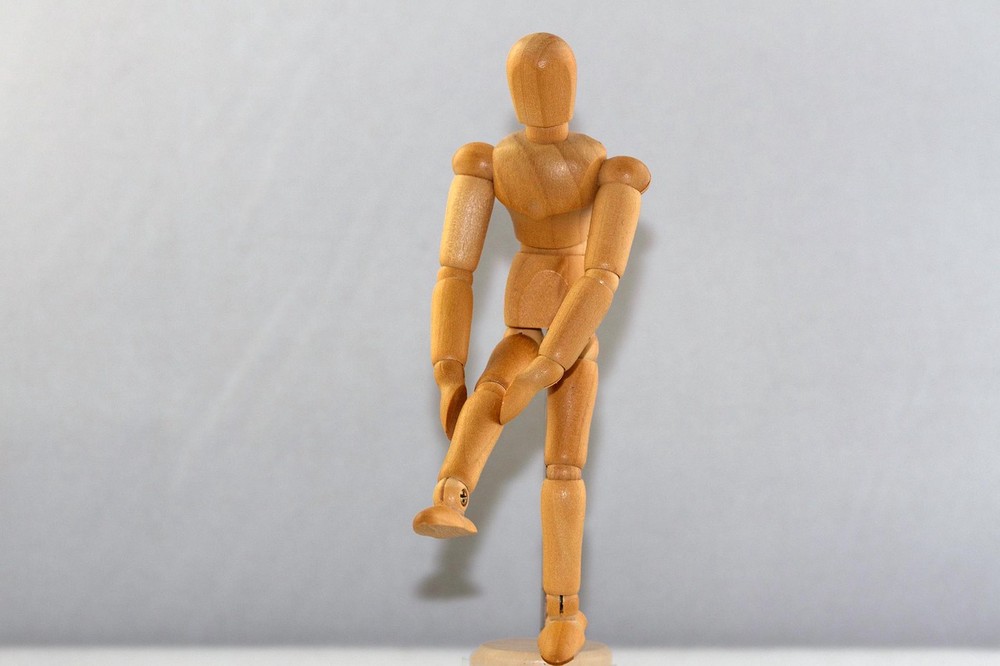
Sitting at a desk for eight hours a day is hard on your body, and for many desk workers, the knees take a silent hit. The hip flexors shorten, the glutes switch off, and the quads get tight while the hamstrings remain inactive. That imbalance often leads to anterior knee pain—the kind that aches under the kneecap or catches when you stand up from your chair.
The natural instinct when your knees hurt is to stop moving. But physiotherapists will tell you that a too-low workout frequency is often the real problem. Your knees are complaining because they aren't being loaded in the right ways at the right intervals. The fix isn't dramatically less movement; it's smarter timing and reshuffling of what you already do. Here are four frequency-based adjustments that physiotherapists recommend for desk workers with knee pain.
1. Break Up Your Sessions Into Shorter, More Frequent Doses
Many desk workers try to cram all their week's movement into one or two long weekend sessions. That pattern is a common culprit in patellofemoral pain. The knee joint—especially the cartilage under the kneecap—tolerates a moderate load multiple times per week much better than a large load once or twice.
A better approach is three to four shorter sessions spread across the week, lasting 20–30 minutes each. This gives the joint less time to stiffen up between sessions and allows your muscles to gradually reprogram the movement patterns that get lost during long hours of sitting. Physiotherapists often call this 'frequency over volume'—periodic low-dose stimulus beats sporadic intense volume for irritated knees.
Shorten your sessions, but increase how many days you move. Consistency beats intensity when the kneecap is cranky.
2. Prioritize Full-Knee-Bend and Full-Knee-Stretch Movements
Knee pain in desk workers often comes from a limited range of motion. When you sit for hours, your knees remain bent at roughly 90 degrees. Over time, the joint capsule stiffens at that angle, and the quadriceps become tight. If you only work out at the same mid-range—like on a stationary bike or leg extensions that never go deep—you reinforce the problem.
Physiotherapists advise including movements that take the knee through its full available range at least three times per week. This includes controlled deep bends like a bodyweight squat to a box or a supported lunge where the back knee brushes the floor. The key is doing these through a pain-free arc. It creates a pumping effect that moves synovial fluid through the cartilage, improving nutrition and reducing stiffness. If you cannot go deep without pain, reduce the load (even to just bodyweight) and increase the frequency of that specific range-of-motion work.
3. Include Two Dedicated Glute-Activation Days Per Week
Desk workers almost universally suffer from inhibited glutes. Your glutes are the prime movers for hip extension, and when they are asleep, your quadriceps and hamstrings have to compensate on every single step and squat. That extra load goes directly through the knee.
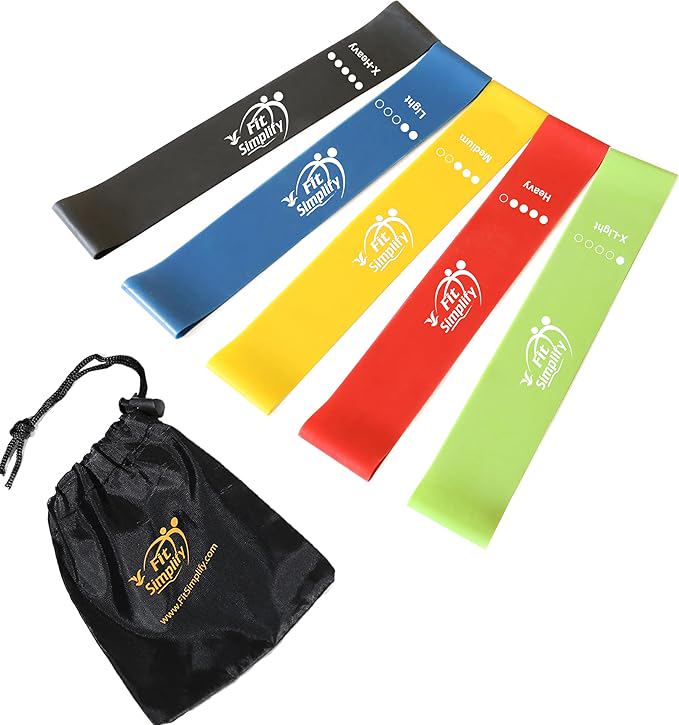
The frequency fix here is not to guess at which exercises work; it is to schedule two specific days where you do glute-dominant work before any other lower-body training. A simple circuit on Monday and Thursday might include glute bridges, single-leg hip thrusts, and side-stepping with a resistance band. Once the glutes turn on, the quadriceps can relax, and the knee joint experiences less compression. The small upfront time investment pays off in reduced pain during your other workouts and throughout the workday.
4. Schedule One Active-Recovery Day for Every Two Workout Days
Desk workers have an advantage and a disadvantage. The advantage is that the low-level, repetitive stress of exercise is broken up by hours of sitting, which can sometimes help recovery. The disadvantage is that those same sitting hours create stiffness that makes recovery after a workout less effective. If you train with knee pain and then sit for two days, the inflamed tissues tighten up without the benefit of movement to flush out waste products.
A good frequency rule is to schedule an active-recovery day after every two higher-intensity workout days. This might mean you do a resistance session on Monday, a similar session on Tuesday, and then Wednesday is a light 15-minute walk or a set of pain-free knee circles and calf stretches. This keeps blood flow moving without loading the joint. The specific activity matters less than the consistent timing; you want to prevent back to back heavy days that allow stiffness to settle in overnight.
Desk work reshapes how your knees handle load, but with deliberate frequency adjustments, you can train consistently without the daily ache. The core principle shared by physiotherapists is simple: load your joints more often but with less stress each time, and give them regular doses of movement between sessions. Start with these four shifts and see how your knees respond over two to three weeks. If pain persists, consult a physiotherapist for a personalized assessment.