
Your gut is home to trillions of microorganisms that influence everything from digestion to mood. When your diet lacks enough fiber, these microbes let you know—often in uncomfortable ways. Recognizing the early warning signals can help you adjust your eating habits before bigger issues arise.
Fiber acts as a prebiotic, meaning it feeds the beneficial bacteria in your colon. Without enough of it, your gut microbiome becomes less diverse and less resilient. Below are four common signs that your body is pleading for more fiber-rich foods.
1. You’re Constipated or Have Irregular Bowel Movements
The most direct sign of low fiber intake is difficulty passing stool. Fiber adds bulk to stool and helps it retain water, making elimination easier. When you don't get enough—especially insoluble fiber found in vegetables, whole grains, and nuts—your digestive tract slows down.
If you notice fewer than three bowel movements per week, or if stool is hard, dry, or painful to pass, increasing fiber is often the first step to relief. Soluble fiber (from oats, beans, and apples) also helps by forming a gel-like consistency that keeps things moving smoothly.
2. You Feel Hungry Soon After Meals
Fiber slows digestion and promotes satiety. When meals lack fiber, they are digested quickly, leading to blood sugar spikes and crashes. This can leave you reaching for snacks within an hour or two of eating, even if you ate a decent portion.
Including high-fiber vegetables, legumes, or whole grains at each meal stabilizes energy and curbs cravings. If you find yourself hungry shortly after eating, your microbiome may be signaling that it isn't getting the fermentable fiber it needs to produce short-chain fatty acids that signal fullness to the brain.
3. You Experience Unexplained Bloating or Gas
Ironically, low fiber intake can sometimes cause bloating because the gut lacks beneficial bacteria that help process food efficiently. But when you suddenly add fiber, gas can also increase temporarily. The difference is in the pattern. Chronic bloating with a low-fiber diet often indicates that your gut bacteria are underfed, leading to fermentation of other undigested particles.
If bloating is a regular complaint and your diet is heavy on processed foods, meat, and refined grains, introducing fiber slowly can rebalance your gut ecosystem. Over time, a diverse microbiome will reduce gas production and improve overall comfort.
4. Your Energy Levels Are Inconsistent
Fiber helps regulate how quickly carbohydrates are absorbed. Without it, meals can cause rapid glucose surges followed by steep drops, sapping your energy. Additionally, a healthy microbiome produces certain vitamins and neurotransmitters that support vitality.
When gut bacteria are starved, they produce fewer short-chain fatty acids—compounds that provide energy to colon cells and influence systemic metabolism. Low energy, brain fog, or afternoon slumps may correlate directly with inadequate fiber intake.
If you notice that your energy crashes after meals, especially lunch or dinner, examine how much fiber was on your plate. Aim for at least 25–30 grams per day from a variety of sources.
How to Boost Fiber Without Discomfort
When increasing fiber, do it gradually. Drink plenty of water to help fiber do its job. Start with one extra serving of vegetables or a handful of nuts per day, and increase over two weeks. A sudden jump can cause bloating or cramps, so slow and steady is the approach.
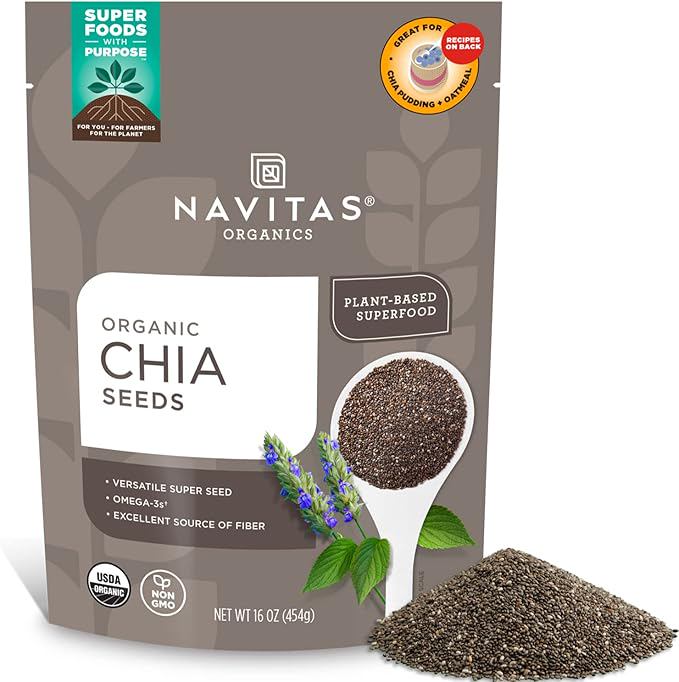
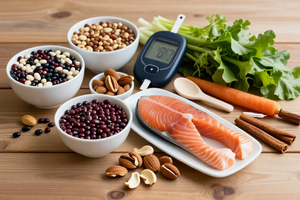
Include both soluble and insoluble sources: berries, chia seeds, lentils, broccoli, and quinoa are all excellent options. Variety also ensures a wider range of prebiotic fibers, supporting more bacterial species.
When to See a Professional
If digestive symptoms persist after dietary changes—or if you experience severe pain, blood in stool, or unexplained weight loss—consult a healthcare provider. These symptoms could indicate an underlying condition not related to fiber intake.