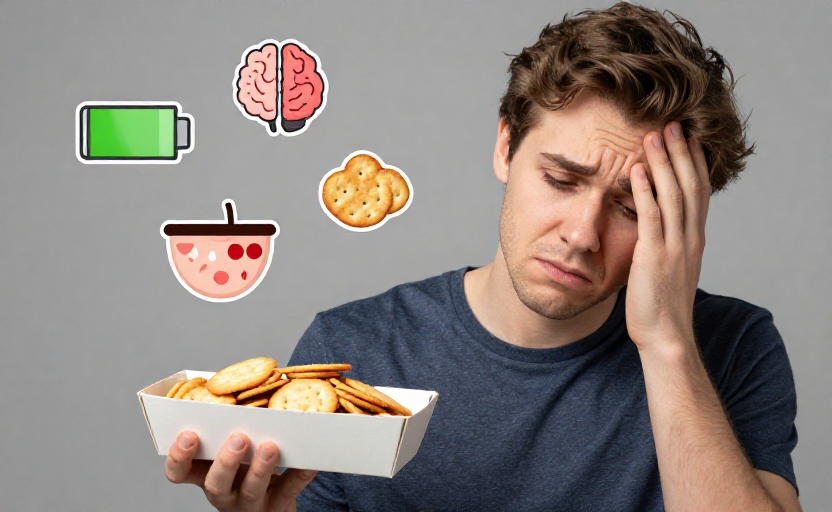
We all know the occasional slice of pizza or bowl of creamy pasta isn't going to derail your health. In fact, rigid restriction often backfires more than a single indulgent meal ever could. But what happens when processed foods creep from an occasional treat to a daily staple? The real issue isn't the Friday night cheeseburger—it's the subtle, everyday overload that your body starts signaling long before the scale moves.
Most people focus on bloating or temporary discomfort as the main red flag. However, when ultra-processed items make up the bulk of your diet, your body sends quieter, more persistent warnings. Recognizing these signs early can help you recalibrate without falling into the trap of all-or-nothing thinking.
1. Persistent Fatigue That Won't Lift
If you feel consistently drained even after eight hours of sleep, your food choices may be the culprit. Diets high in refined carbohydrates and added sugars cause rapid spikes and crashes in blood glucose. This energy roller coaster leaves you feeling wired in the moment but utterly depleted an hour later. Over time, the constant demand on your insulin response can lead to a deeper, more stubborn fatigue that no amount of coffee can fix.
Real, minimally processed foods—like whole grains, legumes, and vegetables—provide a steady release of energy because their fiber and protein content slow digestion. When those elements are stripped away in chips, crackers, or sweetened yogurt, you lose the very components that keep you steady. If you're noticing that your afternoon slump is getting worse or that you need more and more stimulants to get through the day, take a close look at what you're eating during your main meals and snacks.
2. Frequent Cravings and Loss of Satiety
One of the most telling signs your diet is leaning too heavily on processed foods is that you never feel truly satisfied after eating. This happens because many processed items are engineered to be hyper-palatable—they hit your taste buds with a perfect storm of sugar, salt, and fat that bypasses your natural fullness signals. You might find yourself finishing a bag of flavored crackers or a small package of cookies and feeling like you haven't eaten anything at all, despite consuming hundreds of calories.
This is not a lack of willpower; it's a biological response. Ultra-processed foods often lack the protein and fiber that trigger the release of satiety hormones like peptide YY and GLP-1. Meanwhile, the brain's reward centers are lit up like a pinball machine, pushing you to seek more. If you notice that your cravings for savory snacks or sugary treats feel almost compulsive, and that you're hungry again shortly after a full meal, it's a strong indicator that your diet needs more whole-food sources of protein and fiber.
A simple check: after a homemade meal with lean protein, vegetables, and a whole grain, you should feel comfortably full for three to four hours. If you're reaching for a granola bar or a bag of pretzels within an hour, your meal composition is off.
3. Brain Fog and Irritability
Your brain relies on a steady supply of nutrients and stable glucose to function well. Highly processed diets have been consistently linked to higher rates of anxiety, depression, and difficulty concentrating. This connection goes beyond the immediate effects of a sugar crash. Chronic high intake of refined carbohydrates and unhealthy fats (especially trans fats and excessive omega-6 fatty acids found in many snack foods) can promote low-grade inflammation throughout the body, including the brain.
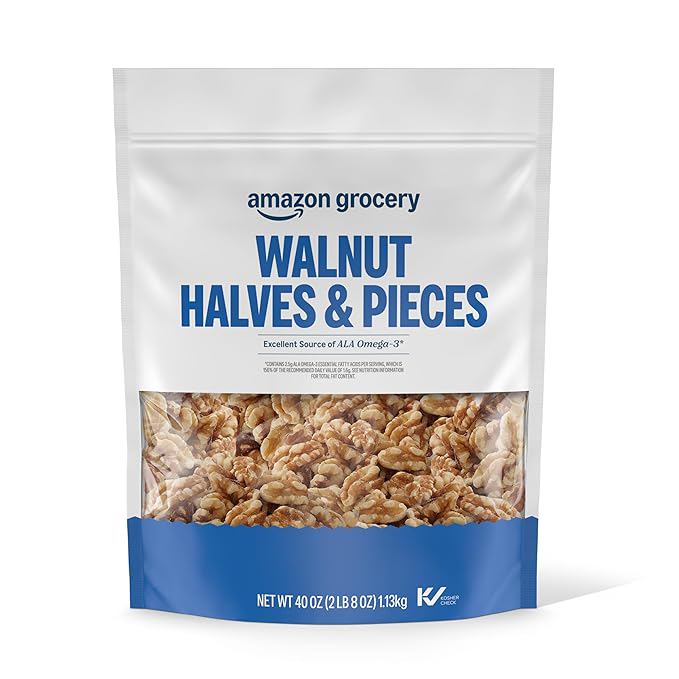
Inflammation in the central nervous system can impair neurotransmitter function, making it harder to regulate mood and focus. If you find yourself feeling mentally sluggish, forgetful, or unusually irritable—especially in the hours after a meal—it's worth examining how much processed food you consumed that day. A diet rich in whole foods, healthy fats (from fish, nuts, and olive oil), and plenty of colorful vegetables helps support cognitive clarity. The shift can often be felt within a week of making consistent swaps.
4. Skin Issues That Aren't Related to Skincare
Your skin is often the fastest reflector of internal inflammation. When your diet is overloaded with processed foods—particularly those high in refined sugars and dairy-derived additives—your body may respond with breakouts, dullness, or an increase in conditions like eczema or rosacea. High glycemic load foods spike blood sugar and insulin, which in turn stimulates oil production and worsens acne. Additionally, preservatives and emulsifiers common in packaged foods may disrupt the gut microbiome, and a compromised gut can trigger inflammatory skin reactions.
If you've overhauled your skincare routine but still see persistent breakouts, dryness, or rashes, look at your pantry before your medicine cabinet. Notice if your skin looks clearer on days when you eat mostly home-cooked meals versus days heavy with takeout or packaged snacks. Many people report visible improvements in skin tone and texture within two weeks of reducing processed foods, without making any other changes to their regimen.
How to Ease Back—Without Guilt
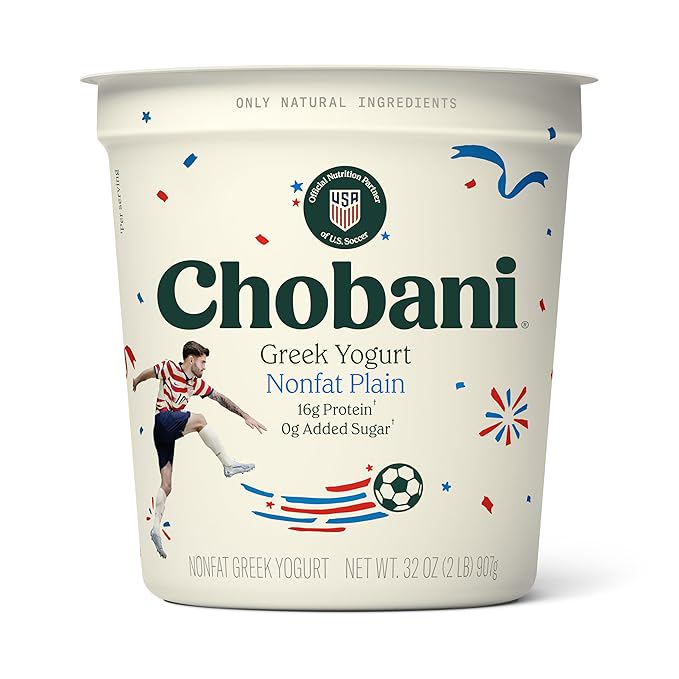
Reading this list doesn't mean you need to swear off convenience foods forever. The goal isn't perfection; it's awareness. Start by identifying which of these four signs resonates most with you. Pick one eating window—perhaps your breakfast or afternoon snack—and swap one processed item for a whole-food alternative. For instance, try plain Greek yogurt with berries instead of a sweetened fruit-on-the-bottom cup, or replace flavored crackers with a handful of nuts and an apple. These small, manageable changes allow you to feel the difference without feeling deprived. Over time, as your energy stabilizes, your cravings diminish, and your mental clarity returns, you'll naturally gravitate toward the foods that make you feel your best.