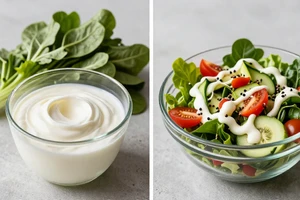
You know the drill: eat your veggies, get enough fiber, stay hydrated. But what about protein? Even if you're loading up on leafy greens and whole grains, your body might still be sending out quiet SOS signals that it needs more of this essential macronutrient. Protein isn't just for bodybuilders—it's the building block for your muscles, skin, hair, nails, enzymes, and even your immune system. And yes, it's entirely possible to get enough protein on a plant-based diet. But if you're not paying attention, you might miss the warning signs until you're feeling really run down.
Here are four concrete signs that your body is asking for more protein, along with simple, plant-based ways to answer the call.
1. Your hair and nails feel weak or brittle
Hair and nails are made almost entirely of a protein called keratin. When your intake drops too low, your body prioritizes vital functions over hair growth or nail strength. You might notice more strands in your shower drain, slower growth, or nails that chip and peel easily. While some shedding is normal, a sudden change can be a clue that your diet needs a protein boost.
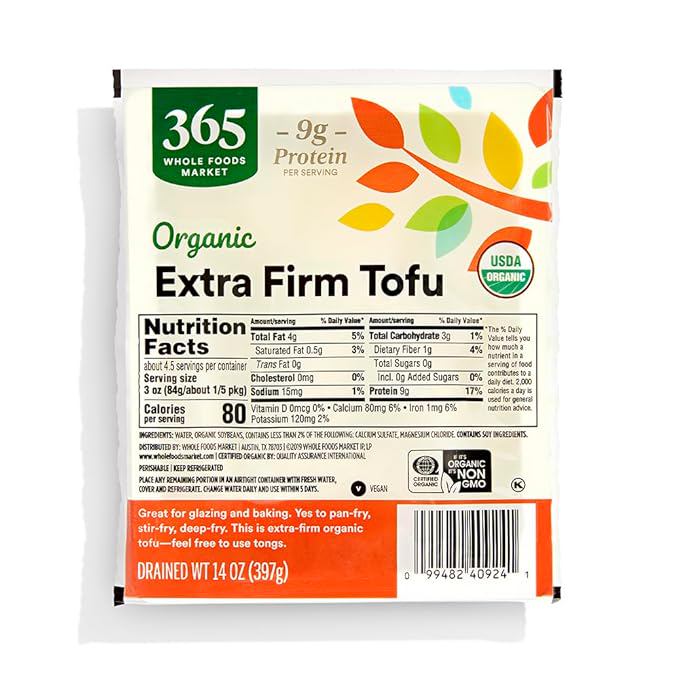
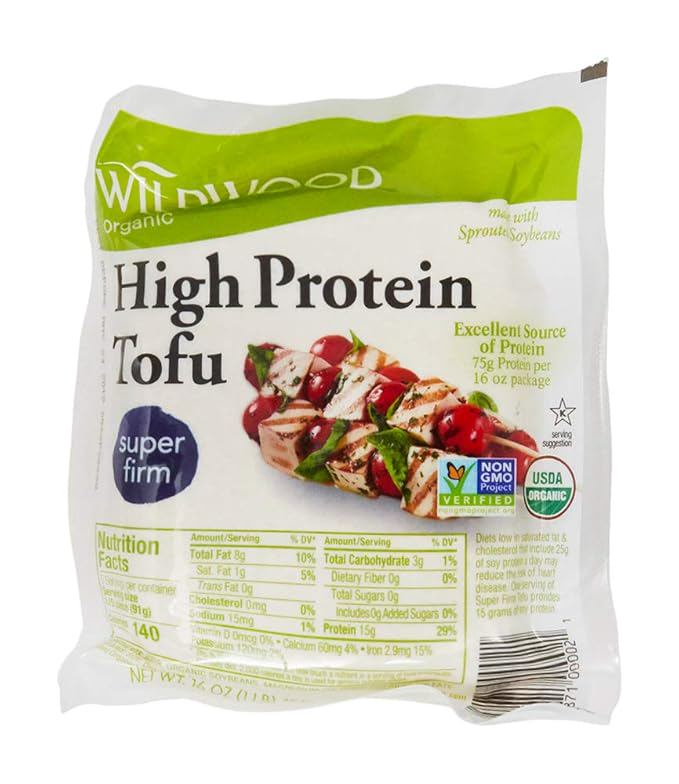
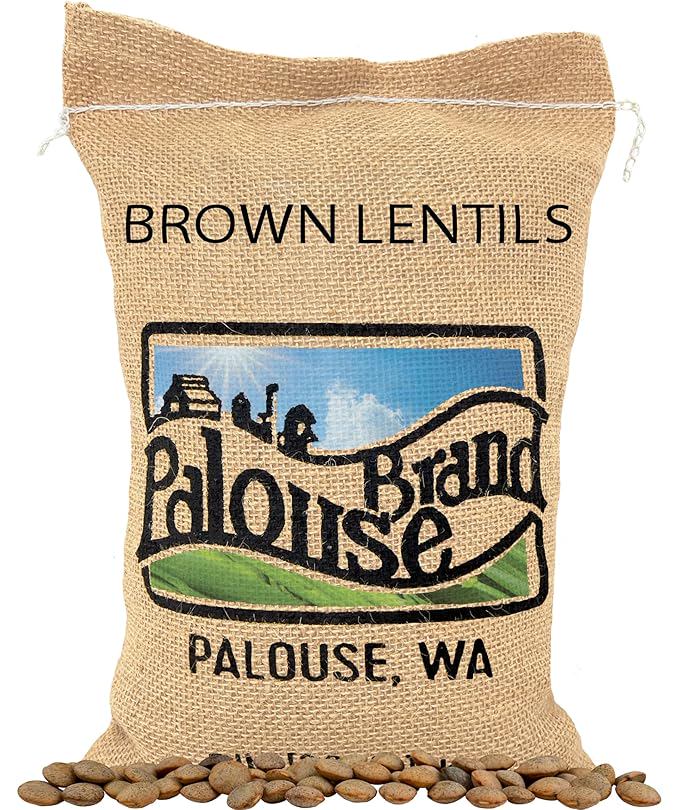
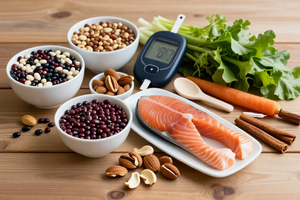
Reach for foods like lentils, chickpeas, edamame, and tofu. A single cup of cooked lentils provides about 18 grams of protein, making it one of the most affordable and versatile options. Adding a handful of pumpkin seeds or almonds to your oatmeal or salad also helps fortify those keratin stores.
2. You feel tired and sluggish, even after a good night's sleep
Protein plays a critical role in producing enzymes and neurotransmitters that regulate energy. Without enough of it, your body can't efficiently repair tissues or maintain stable blood sugar levels, leading to that mid-afternoon slump that no amount of coffee seems to fix. Fatigue that feels deep or persistent—not just a lack of sleep—is worth examining through your diet.
Plant-based eaters can combat this by incorporating protein-rich grains like quinoa and amaranth, which are also high in fiber and iron. A breakfast bowl with quinoa, almond milk, berries, and a scoop of hemp seeds can give you a steady energy release that lasts for hours. Hemp seeds pack about 10 grams of protein in just three tablespoons.
3. You're getting sick more often or healing slowly
Antibodies and immune cells are built from protein. When your intake is inadequate, your immune system may not have the raw materials it needs to fight off infections or repair wounds. If you notice that cuts and scrapes are taking longer to heal, or you're catching every cold that goes around, protein deficiency could be a factor.
Tempeh, seitan, and spirulina are excellent concentrated sources. Tempeh is fermented soy with a firm texture and about 20 grams of protein per cup, plus gut-friendly probiotics. Spirulina, a blue-green algae, can be stirred into smoothies for an easy boost—just two tablespoons provide around 8 grams of protein along with B vitamins and iron.
4. You feel hungry soon after eating—especially for salty or sweet snacks
Protein is the most satiating macronutrient. It triggers the release of hormones like peptide YY and GLP-1 that tell your brain you're full. When your meals are heavy on carbs and light on protein, you may find yourself reaching for snacks within an hour or two, particularly cravings for sugar or salt. This cycle can make it harder to maintain a balanced diet and stable energy.
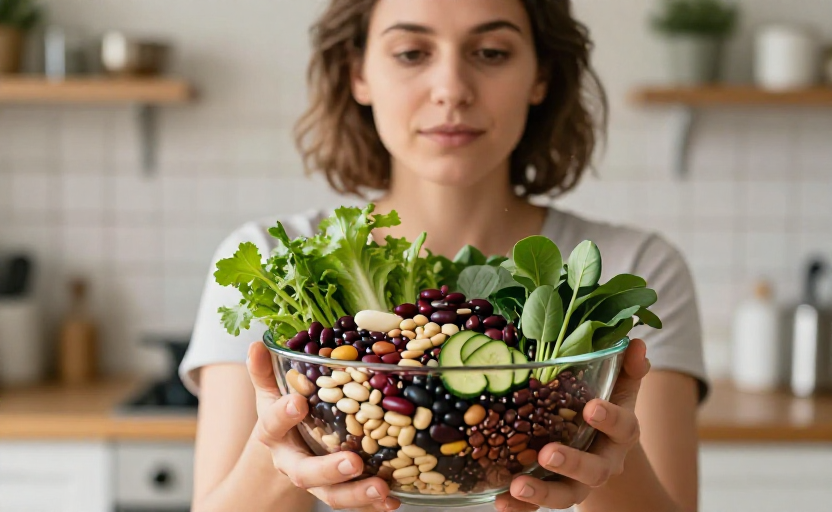
Try building meals around a protein anchor. Think lentils in your soup, chickpeas in your salad, black beans in your tacos, or a slice of sprouted-grain bread with almond butter and banana. A simple swap—like using chickpea pasta instead of white pasta—can add 10 to 15 grams of protein to your dinner without extra effort.
It's not about hitting a specific number every single day; it's about listening to your body and adjusting when you notice patterns. Most adults need around 0.8 to 1 gram of protein per kilogram of body weight, but that number can rise with age or activity level. On a plant-based diet, variety is your best friend—different legumes, grains, nuts, seeds, and soy products each bring unique amino acid profiles. The good news is that these warning signs are reversible. A few mindful additions to your plate can bring your energy, strength, and resilience back into balance.