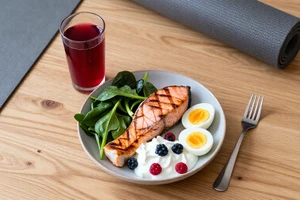

You’ve just finished a workout, and that satisfying feeling of accomplishment is settling in. For older adults, staying active is one of the most powerful tools for maintaining health, independence, and vitality. Yet, the muscle soreness that can follow—often called Delayed Onset Muscle Soreness, or DOMS—can sometimes feel like a deterrent. The good news is that what you eat in the hours after exercise plays a significant role in how your body recovers and adapts.
Nutrition isn’t just fuel for the workout itself; it’s the essential repair kit you provide your body afterward. For older muscles, which may recover a bit more slowly, this strategic nourishment becomes even more valuable. It’s not about complicated formulas or expensive supplements. It’s about choosing whole, accessible foods that deliver the specific nutrients your muscles need to rebuild, reduce inflammation, and come back stronger.
Why Recovery Nutrition Matters More as We Age
Muscle soreness after a new or intensified workout is a normal sign of microscopic damage to muscle fibers. This isn’t a bad thing—it’s the signal that triggers repair and growth, making muscles more resilient. However, the natural aging process, which includes a gradual decline in muscle mass (sarcopenia) and changes in protein metabolism, can mean recovery takes a little longer and soreness feels a bit more pronounced.
This is where post-workout eating shifts from a general recommendation to a strategic practice. The right foods can help modulate inflammation, supply the building blocks for protein synthesis, and replenish energy stores efficiently. Think of it as providing your body with the highest-quality materials to do its repair work.
The goal isn’t to eliminate soreness entirely, but to support your body’s innate repair processes so you can feel ready for your next activity.
Key Nutrients for Post-Workout Recovery
Before we get to specific foods, let’s look at what your muscles are looking for after exercise. Targeting these nutrients will guide your choices.
Protein: This is the fundamental building block for muscle repair. Consuming protein after exercise provides the amino acids needed to patch up those microscopic tears and stimulate muscle protein synthesis. For older adults, distributing protein intake throughout the day, with a focus on post-workout, is particularly beneficial.
Anti-inflammatory Compounds: Exercise naturally produces some inflammation, which is part of the repair signal. Foods rich in antioxidants and polyphenols can help manage this oxidative stress and support a healthy inflammatory response.
Carbohydrates: While often emphasized for endurance athletes, carbs still play a role for the recreational exerciser. They replenish glycogen (stored energy) in muscles and can help create a hormonal environment that supports the uptake of amino acids into muscle tissue.
Electrolytes & Fluids: Rehydration is crucial. Water supports every metabolic process, including nutrient transport and waste removal. Electrolytes like potassium and magnesium, lost in sweat, are also vital for muscle function and preventing cramps.
Four Post-Workout Foods to Focus On
With those nutrients in mind, here are four excellent, whole-food options to incorporate into your post-exercise meal or snack.
1. Greek Yogurt with Berries
This combination is a classic for good reason. Greek yogurt is a concentrated source of high-quality, easily digestible protein—often double the protein of regular yogurt. It also contains calcium, important for bone health and muscle contractions.
Pairing it with berries like blueberries, strawberries, or raspberries adds a powerful anti-inflammatory punch. Berries are loaded with antioxidants called anthocyanins, which give them their vibrant color and have been studied for their role in reducing exercise-induced muscle damage. Together, they offer protein, antioxidants, and some natural carbohydrates from the fruit.
For a complete snack, add a sprinkle of chia seeds or ground flaxseed for omega-3 fatty acids and extra fiber.
2. Salmon with Sweet Potato and Greens
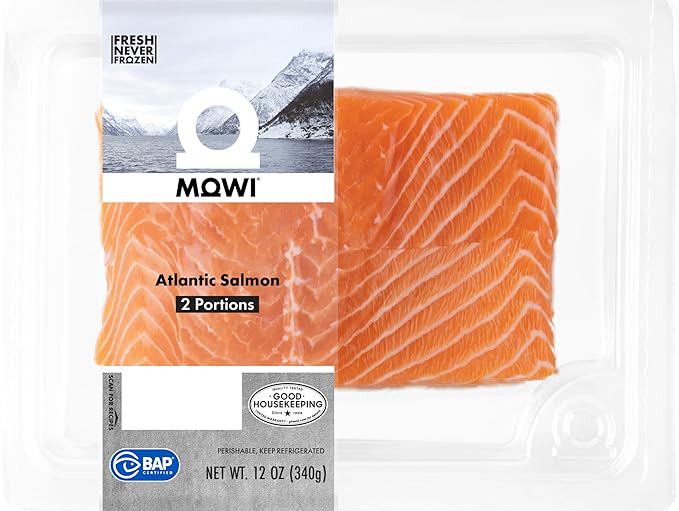
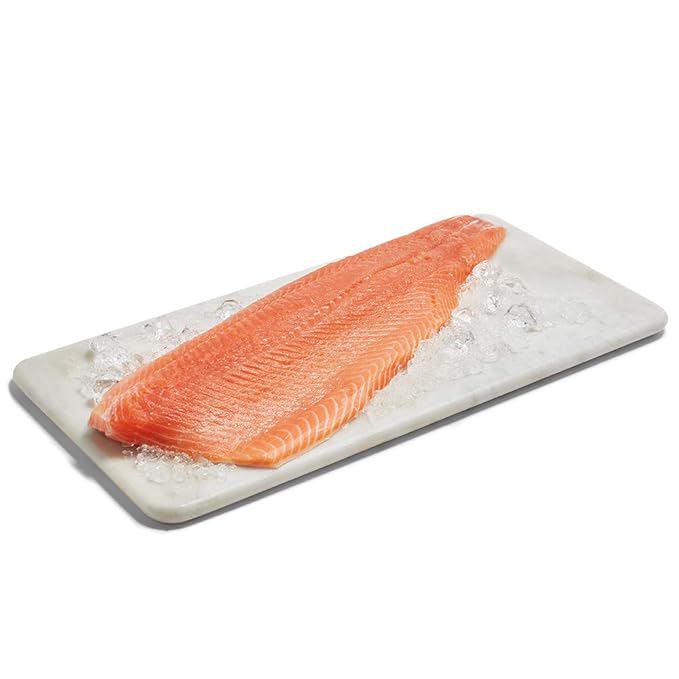
If you’re having a larger post-workout meal, this plate covers all the bases. Salmon is rich in high-quality protein and, crucially, omega-3 fatty acids. Omega-3s are renowned for their anti-inflammatory properties and may directly aid in reducing muscle soreness and improving recovery time.
The sweet potato provides complex carbohydrates to replenish energy stores, along with beta-carotene and vitamin C. Serve it alongside dark leafy greens like spinach or kale. These greens are powerhouses of magnesium (a key electrolyte for muscle relaxation) and a host of other vitamins and antioxidants that combat oxidative stress.
3. Tart Cherry Juice or Whole Cherries
Tart cherries have garnered significant attention in sports nutrition research. They possess a unique profile of antioxidants and anti-inflammatory compounds. Several studies suggest that drinking tart cherry juice before and after strenuous exercise can help lessen muscle strength loss and reduce soreness.
For a post-workout option, a small glass of unsweetened tart cherry juice can be very effective. Alternatively, a bowl of whole tart or dark sweet cherries provides the same beneficial compounds along with dietary fiber. This is a simple, potent addition to your recovery routine, especially after a particularly challenging session.
4. Eggs with Avocado on Whole-Grain Toast
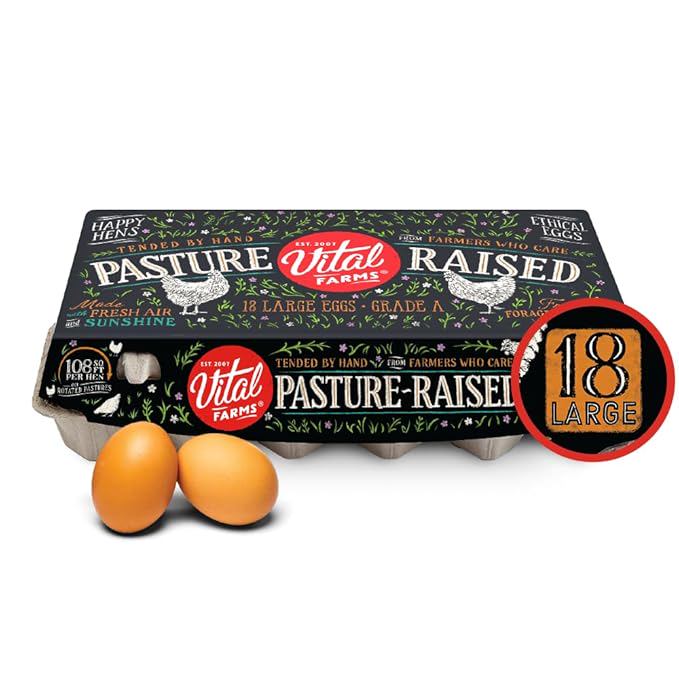
Eggs are a complete protein source, meaning they contain all nine essential amino acids your body cannot make on its own. They’re also a source of leucine, an amino acid that plays a central role in triggering muscle protein synthesis. The avocado adds healthy monounsaturated fats, which are also anti-inflammatory, and potassium—an electrolyte that helps maintain fluid balance and nerve signals to muscles.
Served on a slice of whole-grain toast, this meal provides a balanced mix of protein, healthy fats, and complex carbohydrates. It’s satiating, nutrient-dense, and supports sustained recovery.
Putting It Into Practice
You don’t need to eat all four foods at once. The idea is to incorporate these principles into your routine. Aim to have a recovery-focused meal or snack within 45 minutes to two hours after your workout. This window is when your muscles are most receptive to nutrients.
Listen to your body. Hydration should be a constant priority—drink water before, during, and after your workout. Pairing these nutritional strategies with other recovery practices like gentle stretching, good sleep, and active recovery days (like a leisurely walk) will give you the best results.
Finally, remember that consistency in your activity is more important than perfection in your diet. Finding a few simple, enjoyable foods that help you feel better after exercise makes it more likely you’ll stick with your fitness journey for the long term—and that’s the ultimate goal.