
You finish a tough session—maybe a deep stretch session, heavy leg day, or a flow of dynamic yoga—and you feel that familiar tightness creeping in. For those who train frequently, flexibility recovery isn't just about stretching; it's about what you put back into your system immediately after you move. The right post-workout drink can support how quickly your muscles and connective tissues bounce back, helping you maintain and even improve your range of motion over time.
While a solid cool-down and hydration matter, these four specific drinks—backed by nutritional science and common athletic wisdom—can aid your body's natural recovery process. They support the fascia, tendons, and muscles that allow you to move freely. Here is a closer look at what you might reach for after your next workout.
A Tart Cherry Juice Spritzer for Inflammation Control
Of all the post-workout options, tart cherry juice stands out in the research. Several studies suggest that the anthocyanins found in tart cherries can help reduce markers of inflammation and oxidative stress—two factors that contribute to delayed-onset muscle soreness.
When your muscles are less inflamed, the surrounding fascia and joint capsules can maintain their suppleness. This is crucial for flexibility, because tight, swollen tissues resist length. After training, you might dilute a small glass of unsweetened tart cherry juice with sparkling water or still water. The benefit lies in its bioavailability and the specific type of polyphenol it provides.
Tip: Look for pure, unsweetened tart cherry juice, not a blend or syrup. The sugars naturally present are sufficient and support glycogen replenishment.
A Cucumber-Lime Electrolyte Refresher with Magnesium
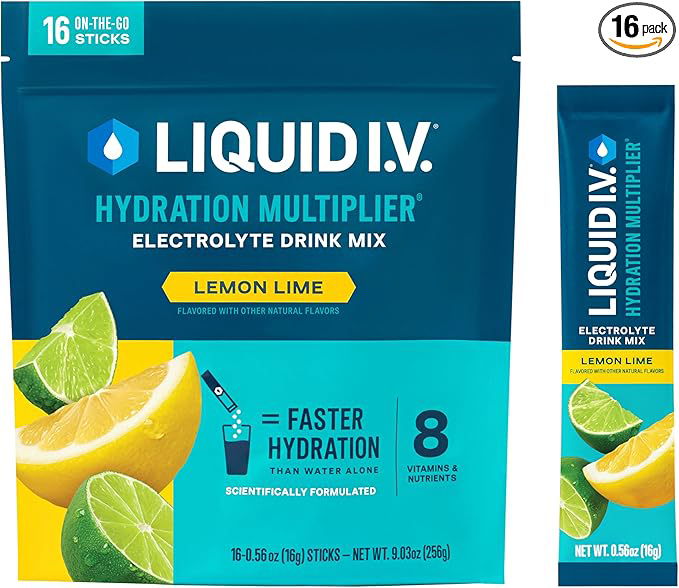
Hydration is foundational for flexibility. Dehydrated muscles and connective tissues become brittle and less pliable. A standard electrolyte drink can do the job, but one tailored with magnesium offers an extra edge. Magnesium is a mineral involved in over 300 enzymatic reactions, including muscle relaxation.
When you are low on magnesium, muscles tend to cramp and resist release. By including a source of magnesium—either in your water from a supplement or from a natural source like mineral water—you can help the sliding filament mechanism in your muscles relax more efficiently. This is especially helpful after repeated sessions of eccentric training or stretching.
How to make it
- Water (still or sparkling) as the base
- Fresh cucumber slices (source of silica and hydration)
- Juice from half a lemon or lime (vitamin C for collagen support)
- A small pinch of sea salt (sodium and trace minerals)
- A squeeze of magnesium liquid concentrate or mineral drops, if tolerated
This combination is light, noticeably hydrating, and encourages a state of physical ease that supports deeper stretching later.
Bone Broth or a Collagen-Infused Warm Drink
When you train hard, you are asking your tendons and ligaments—the structures that govern range of motion and joint stability—to handle significant load. Collagen is the primary structural protein in these tissues. Post-exercise, the body can preferentially absorb and utilize ingested collagen protein for connective tissue repair.
A warm cup of bone broth (preferably from chicken or beef, simmered for a long time to extract its collagen and gelatin) serves as a gentle, savory recovery drink. It contains glycine and proline, amino acids that play roles in repairing the extra-cellular matrix of your fascia. If broth is not your style, a scoop of hydrolyzed collagen stirred into your tea or warm water works similarly. The key is to consume it within a 30-to-60-minute window after training for the best deposition rate.
What the research says: A 2017 review noted that collagen supplementation combined with resistance training improved joint comfort and may reduce the risk of injury over time—directly related to your ability to maintain flexibility.
Watermelon with Salt and a Splash of Coconut Water
Watermelon is naturally rich in L-citrulline, an amino acid that supports nitric oxide production and blood flow. Enhanced circulation means more oxygen and nutrients reach your muscles and fascia, aiding the removal of metabolic waste. This is particularly helpful for flexibility because cramped, metabolite-laden tissue resists motion.
A simple post-workout option is to blend a chunk of watermelon with a little coconut water (for natural electrolytes) and a tiny pinch of pink salt. You can drink it as a puree or over ice. It is lower in protein than the other options, so think of it as a hydration-plus-circulation drink rather than a complete recovery meal. It pairs well if you also eat a protein-rich snack afterwards.
Putting It Together
You do not need to drink all four after every session. You could cycle through them based on your mood, season, and what feels good. The common thread is that each drink targets a distinct aspect of flexibility recovery: reducing inflammation, supporting hydration and mineral balance, rebuilding connective tissue, or enhancing blood flow.
Remember that flexibility gains are a long-term adaptation. A single drink will not make you suddenly supple, but consistent, thoughtful post-workout nutrition teaches your body to recover softer and more pliable. Over weeks and months, this supports the freedom of movement that frequent training demands.