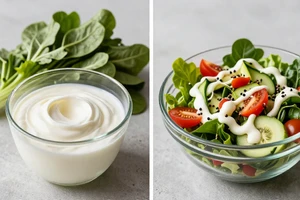

Vitamins are classified as either water-soluble or fat-soluble. Water-soluble vitamins—like vitamin C and the eight B vitamins—dissolve in water and are not stored in large amounts by the body. Fat-soluble vitamins—A, D, E, and K—require dietary fat for absorption and are stored in the liver and fatty tissues. This storage capability is both a blessing and a potential risk. When misinformation circulates about these vitamins, well-intentioned habits can backfire. Here are four common myths about fat-soluble vitamins that could actually harm your health.
Myth 1: You can never get too much vitamin A
Vitamin A is essential for vision, immune function, and skin health. Because it's found in foods like carrots, sweet potatoes, and leafy greens, many people assume more is always better. But vitamin A is stored in the liver, and excess intake—especially from supplements or animal-based sources like liver—can lead to toxicity. Symptoms of chronic toxicity include dizziness, nausea, skin irritation, joint pain, and even liver damage. Pregnant individuals need to be especially cautious, as high doses of vitamin A can cause birth defects. The safe approach is to get your vitamin A from whole foods and avoid high-dose supplements unless specifically recommended by a healthcare provider.
Myth 2: Everyone needs vitamin D supplements
Vitamin D is crucial for calcium absorption and bone health, and deficiency is indeed common in regions with limited sunlight. However, blanket recommendations to supplement without testing your levels can be risky. Vitamin D is fat-soluble and accumulates in body tissues. Taking excessively high doses for months can lead to hypercalcemia—a condition where calcium levels in the blood become dangerously high. Symptoms include nausea, weakness, kidney stones, and heart rhythm abnormalities. Before starting a supplement, blood testing is the only reliable way to know your status. For many people, 15–20 minutes of midday sun exposure on bare skin (when possible) or modest dietary intake from fatty fish, eggs, and fortified foods may be sufficient.
Myth 3: Vitamin E is harmless because it's an antioxidant
Vitamin E is often praised for its antioxidant properties, which protect cells from oxidative damage. This positive reputation leads some to believe that high-dose vitamin E supplements are risk-free. But research suggests that very high doses—above 1,000 mg per day—can interfere with blood clotting. This is particularly dangerous for people on blood-thinning medications like warfarin, or those scheduled for surgery. Some large studies have even linked excessive vitamin E intake to a higher risk of hemorrhagic stroke. Getting vitamin E from food sources like nuts, seeds, and spinach is safe and effective; supplements should be approached with caution and medical guidance.
Myth 4: Vitamin K is not important enough to worry about
Vitamin K doesn't get as much attention as vitamins A, D, or E, but it plays a critical role in blood clotting and bone metabolism. There are two main forms: K1 (found in leafy greens) and K2 (found in fermented foods and animal products). A common myth is that vitamin K deficiency is rare, so it doesn't require any consideration. In reality, people with digestive disorders like Crohn's disease or those on long-term antibiotics may have impaired absorption and are at risk. Additionally, vitamin K works synergistically with vitamin D to direct calcium to the bones and away from arteries. Ignoring your vitamin K intake can undermine bone health and cardiovascular function. Eating a variety of green vegetables and fermented foods is a simple way to maintain adequate levels.
The key takeaway is that fat-soluble vitamins are powerful nutrients with specific roles and real limits. While whole-food sources are generally safe, supplements can concentrate these vitamins to potentially harmful levels. Always consult a healthcare professional before starting any high-dose regimen, and rely on a balanced diet to meet most of your needs. Knowledge, not more pills, is the best medicine.