Few things derail a workout routine like the heavy, sluggish feeling that comes from dehydration or poor fuel. You might have the will to train, but if your body is running low on fluids and electrolytes, your muscles will feel heavy, your energy will crater, and your next session starts to feel like a chore. The solution isn't always another glass of water or a sports drink. Sometimes, the smartest way to stay hydrated and ready to move is through the food you eat.
These four hydrating snacks do double duty: they deliver a meaningful amount of water along with key nutrients that support muscle function and recovery. They are designed to help you maintain consistent workout frequency by keeping fatigue at bay, not by providing a sudden spike and crash, but by giving your system what it needs to perform steadily.
Watermelon with a Dash of Salt
Watermelon is around 92 percent water by volume, making it one of the most hydrating foods you can eat. A standard two-cup serving provides roughly half a cup of water along with natural sugars for quick, accessible energy. The real trick here is adding a small pinch of sea salt or a squeeze of lime. The sodium helps your body retain the water you are consuming, which is critical before or after a sweaty workout. This snack is particularly effective about 45 to 60 minutes before exercise, because the water is absorbed quickly but the volume is light enough to avoid stomach discomfort.
Why it supports frequency over intensity
Many pre-workout snacks focus on a high burst of energy that can lead to a crash. Watermelon offers a steady release: the natural fructose is processed by the liver gradually, while the high water content keeps your blood volume up. When your blood volume is adequate, your heart doesn't have to work as hard to pump oxygen to your working muscles. That means you feel less winded and more willing to hit the gym again the next day.
Cucumber and Hummus
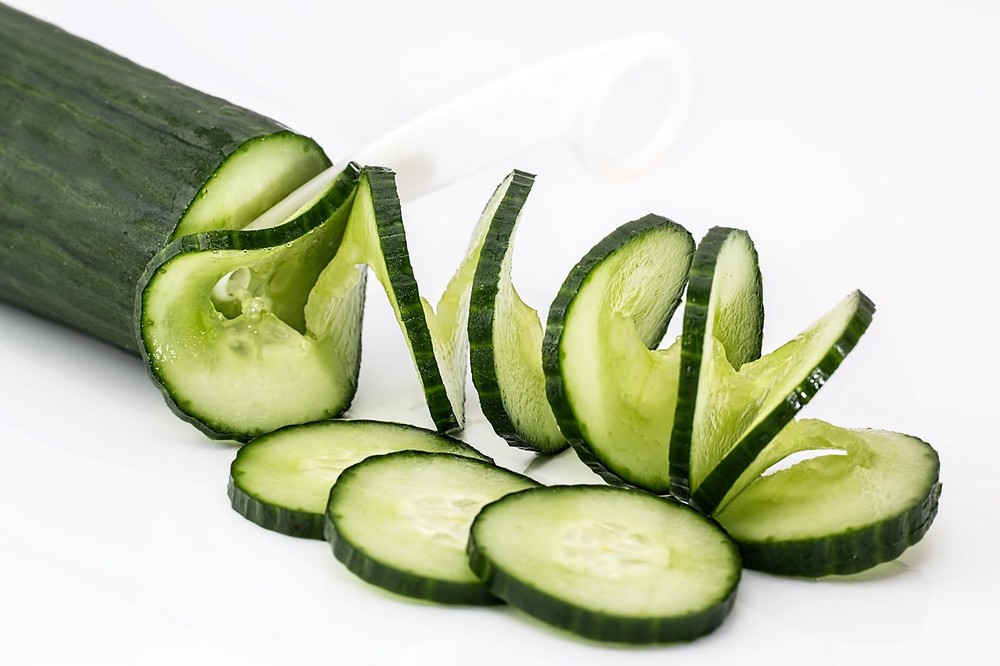
Cucumbers are composed of about 96 percent water, making them even more hydrating than watermelon. When paired with a couple tablespoons of hummus, you get a balance of hydration, fiber, and a small amount of plant protein. The protein in chickpeas is not enough to fuel a heavy lift, but it is enough to blunt the muscle breakdown that occurs during exercise. The fiber helps regulate the absorption of the carbohydrates, preventing a blood sugar spike.
Aim for one whole cucumber sliced into spears with two tablespoons of hummus. That gives you roughly eight ounces of water plus 60 to 80 calories of steady fuel — ideal for a snack about an hour before a moderate workout.
This combination is also rich in potassium and magnesium, two electrolytes that are often lost in sweat. Maintaining proper electrolyte levels directly affects muscle contraction and relaxation. When your muscles are properly fueled with electrolytes, you are less likely to experience cramps or that heavy, fatigued feeling that makes you skip your next session.
Chilled Cantaloupe with Cottage Cheese
Cantaloupe is a lesser-known star in the hydration world. One cup of diced cantaloupe provides about five ounces of water along with more than 100 percent of your daily vitamin A and a solid dose of vitamin C. The vitamin C is important here because it helps reduce oxidative stress from exercise, which can contribute to muscle soreness and overall fatigue. Pairing it with cottage cheese adds casein protein, which digests slowly and provides a steady stream of amino acids to your muscles over several hours.
This snack is best consumed after a workout or as a midday meal replacement before an evening session. The combination of water and slow-digesting protein helps your body repair muscle tissue while simultaneously rehydrating. When you recover better, you feel less drained, and you are more likely to maintain your exercise schedule without those unplanned rest days due to exhaustion.
Celery with Almond Butter and Raisins
Celery has a reputation as a boring diet food, but it is actually one of the most effective hydrating vegetables available. Its high water content and natural sodium make it a good base for a snack that supports fluid balance. By adding a thin layer of almond butter and a small sprinkle of raisins, you introduce healthy fats, a bit of protein, and quick-digesting sugars. The fat in almond butter slows digestion enough to keep your energy levels even, while the raisins provide glucose for immediate use.
The nutrient profile that fights fatigue
This combination is particularly effective for people who struggle with afternoon energy dips before a workout. The sodium in celery helps your body hold onto the water you drink alongside it. The magnesium in almond butter supports over 300 enzymatic reactions in the body, many of which are involved in energy production. Fatigue after exercise is often linked to magnesium deficiency, so including this mineral regularly can help you feel more energetic day to day.
Eat this snack about 60 to 90 minutes before a workout. The fiber content means you need a bit more time to digest compared to just fruit or vegetables alone. If you are short on time, skip the raisins and use a small amount of honey instead — it will absorb faster and provide the same glucose boost without the extra fiber.
Putting It Together for a Consistent Routine
Hydrating snacks are not a magic bullet, but they fill a nutritional gap that many active people overlook. When you focus on foods that deliver water, electrolytes, and a moderate amount of energy, you set the stage for workouts that feel sustainable rather than draining. The goal is not to eat these snacks and then immediately smash a personal record. The goal is to eat them consistently so that your baseline hydration and energy levels improve, making it easier to show up for your workouts day after day without that heavy, fatigued feeling holding you back.
Incorporate one of these snacks into your daily routine for a week and notice how your energy feels during your next workout. Small changes in hydration and fuel often produce gradual but meaningful shifts in how often you feel motivated to exercise.