If you log serious gym time, your wrists take a beating. From planks and push-ups to deadlifts and wrist curls, every rep transfers force through these small, complex joints. It’s common to focus on mobility drills and wraps, but what you eat also plays a direct role in how your wrists feel and function.
Here are four foods that deliver targeted nutritional support for wrist health, especially when your training volume is high.
1. Sardines for Omega-3s and Vitamin D
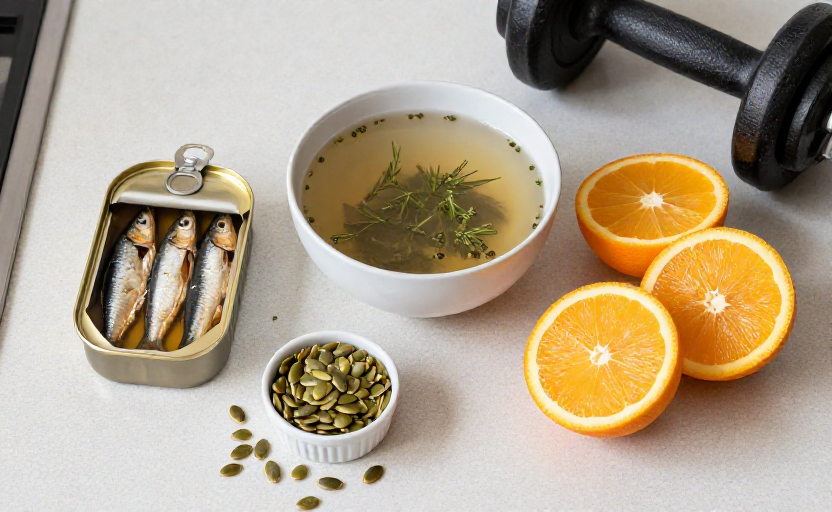
Sardines are small but mighty when it comes to joint support. They provide a concentrated source of omega-3 fatty acids, specifically EPA and DHA, which help manage inflammation that can settle in the wrist’s tendons and ligaments after repetitive strain. They are also one of the few natural food sources of vitamin D, a nutrient critical for calcium absorption and bone density. For wrists that absorb impact during weight-bearing exercises, this combination is hard to beat.
Tip: Try a tin of sardines packed in olive oil over a salad or whole-grain crackers for a quick post-workout lunch.
2. Collagen-Rich Bone Broth
The connective tissues in your wrist—including ligaments, tendons, and cartilage—rely on collagen for structural integrity. Bone broth provides bioavailable collagen and amino acids like glycine and proline, which are building blocks for repairing micro-tears that occur during heavy lifting or high-repetition workouts. Regular intake may support the resilience of the wrist’s joint capsules over time.
3. Oranges for Vitamin C and Collagen Synthesis
Eating enough protein and collagen is only half the equation. Without adequate vitamin C, your body cannot effectively synthesize new collagen. Oranges are an accessible source of this vitamin, and they also provide antioxidants that help combat oxidative stress from intense training. Healthy wrist cartilage and tendon repair depend on this micronutrient, making vitamin C–rich fruits a smart inclusion in any active person’s diet.
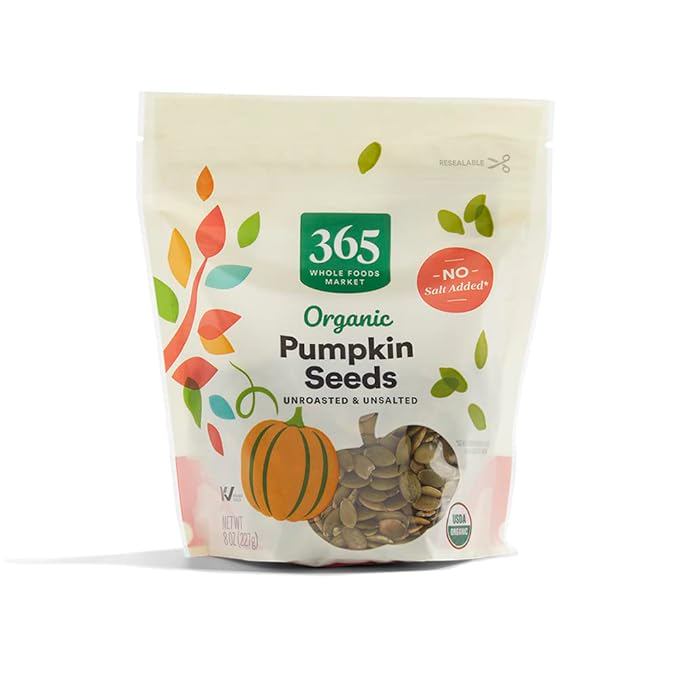
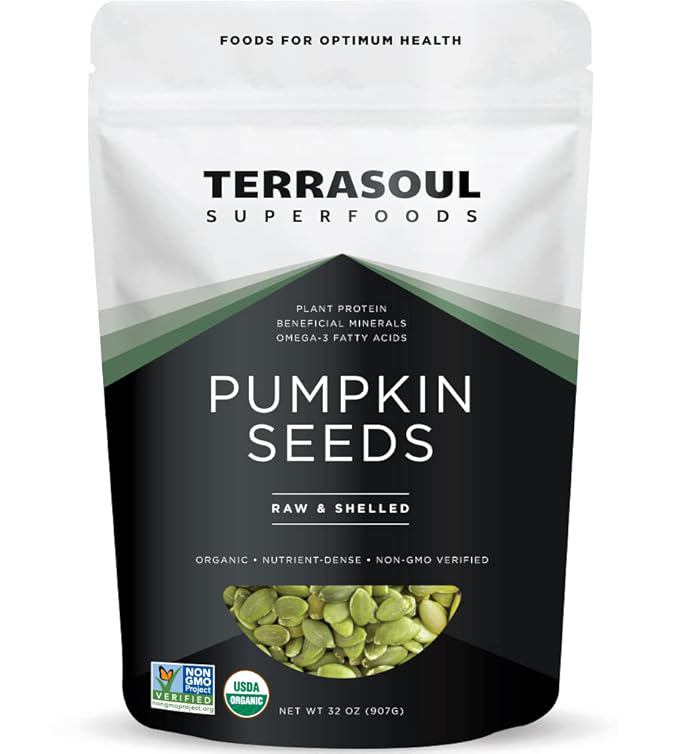
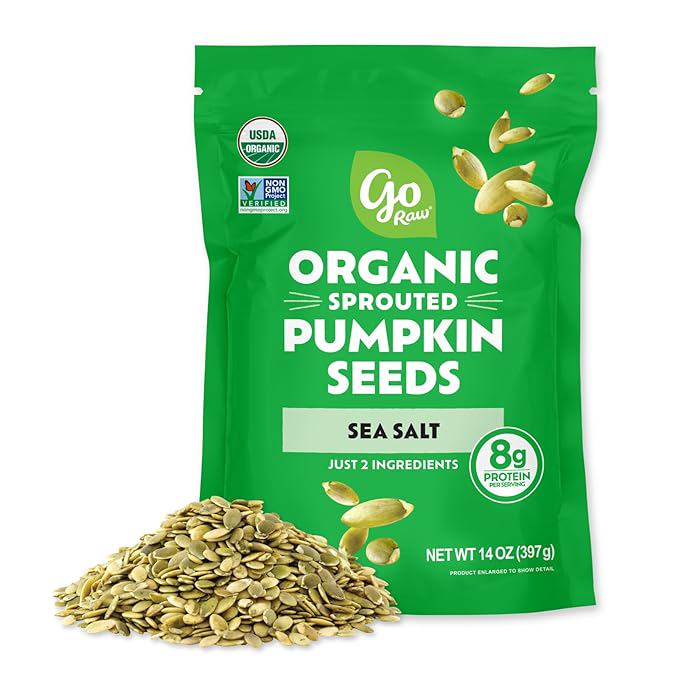
4. Pumpkin Seeds for Magnesium and Zinc
Frequent wrist movements and load-bearing can lead to muscle tightness and cramping in the forearms and hands. Pumpkin seeds are rich in magnesium, which promotes muscle relaxation and may reduce that tightness. They also provide zinc, a mineral essential for tissue repair and immune function. Sneak them into oatmeal, yogurt, or a trail mix for an easy daily boost.
Putting It Together
No single food will fix wrist pain or prevent every injury, but consistently including these items in your diet supports the underlying structures that take the most stress during workouts. Pair smart nutrition with proper warm-ups, grip-strength exercises, and rest days for the best results.