Recovering from surgery is hard enough without your food working against you. Your body is in a state of repair, demanding extra protein, vitamins, and restful digestion. Yet some common foods can interfere with healing, trigger inflammation, or cause complications. Dietitians who counsel post-surgical patients consistently flag four categories of foods to sidestep during recovery.
Why diet matters after surgery
After an operation, your immune system is on high alert, tissues are rebuilding, and your gastrointestinal tract may be sluggish due to anesthesia or pain medications. The wrong food can delay wound closure, increase swelling, or counteract medications. The goal is to nourish without provoking stress on the body.
1. Ultra-processed snacks and sugary drinks
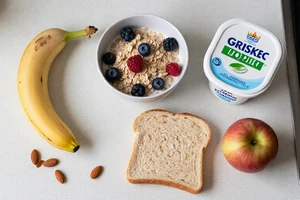
Think chips, cookies, pastries, soda, and sweetened teas. These foods deliver empty calories and cause rapid spikes and crashes in blood sugar, which can impair immune function and slow collagen production. Dietitians recommend swapping them for whole fruits, unsweetened yogurt, or a handful of nuts when you need a quick bite.
If it comes in a crinkly package and has a long ingredient list, it’s probably not helping your healing.
2. High-sodium convenience foods
Canned soups, frozen dinners, deli meats, and salty snack mixes are often loaded with sodium. Excess salt promotes fluid retention and can raise blood pressure, which puts extra strain on healing tissues and may worsen swelling around surgical sites. Opt for fresh or frozen vegetables, unsalted broths, and home-cooked lean proteins. Season with herbs or lemon instead of salt.
3. Red meat and fried foods
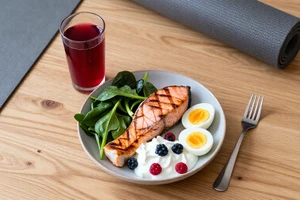
Red meat and deep-fried items are hard to digest and can promote inflammation. After surgery, your digestive system is often sensitive, and heavy fats can cause nausea, constipation, or bloating. While lean protein is essential, choose poultry, fish, eggs, tofu, or legumes for easier digestion and lower inflammation. A fried chicken thigh is not the same as grilled chicken breast during recovery.
4. Alcohol
Alcohol dehydrates the body, interferes with sleep, and can interact dangerously with painkillers and antibiotics. It also suppresses the immune system and impairs your liver's ability to process medications. Dietitians advise avoiding alcohol entirely until your surgeon gives the green light—often weeks after the procedure.
What to eat instead
Focus on nutrient-dense whole foods: lean proteins for tissue repair, colorful vegetables and fruits for antioxidants and fiber, whole grains for steady energy, and healthy fats (avocado, olive oil, nuts) for cell regeneration. Stay hydrated with water, herbal tea, and electrolyte-balanced fluids if your doctor approves.
When can you return to your normal diet?
This varies by procedure and individual. Some people tolerate a regular diet within a few days; others need a soft or liquid diet for weeks. Always follow your surgical team's discharge instructions. When in doubt, prioritize gentle, anti-inflammatory foods and avoid anything that causes discomfort or digestive upset.