
When you're clocking five training days each week, your heart and lungs are working overtime. Cardio endurance depends on efficient oxygen delivery, steady fuel availability, and the ability to clear metabolic waste. You can log the miles, but what you eat directly shapes how your body responds to that load.
These four foods are backed by exercise physiology and sports nutrition research. They help maintain glycogen stores, support red blood cell function, reduce oxidative stress, and keep inflammation in check—all critical for sustained performance when training frequency is high.
1. Beets: The Natural Nitrate Powerhouse
Beets are rich in dietary nitrates, which your body converts into nitric oxide. Nitric oxide relaxes blood vessel walls, improving circulation and oxygen delivery to working muscles. A 2021 meta-analysis in the Journal of the International Society of Sports Nutrition found that beetroot juice significantly improves time to exhaustion and oxygen efficiency during aerobic exercise.
How to Use Them
Drink 8–12 ounces of beetroot juice about 90 minutes before a session, or roast whole beets and add them to salads, grain bowls, or smoothies. For a five-day training week, aim for beets three to four times per week—consistency matters more than single large doses.
2. Oats: Glycogen Storage and Steady Energy
Complex carbohydrates like oats replenish muscle glycogen, your primary fuel during moderate- to high-intensity cardio. A 2018 study in Nutrients showed that consuming whole-grain oats before exercise stabilizes blood glucose and delays fatigue compared to refined cereals.
Practical Tips
Eat a bowl of rolled oats with a scoop of protein powder and a handful of berries 2–3 hours before your morning run or gym session. On rest days, include oats at breakfast to maintain glycogen levels for back-to-back training.
3. Fatty Fish: Omega-3s for Heart and Lung Function
Salmon, mackerel, and sardines deliver the long-chain omega-3 fatty acids EPA and DHA. These compounds reduce systemic inflammation, improve left ventricular function, and increase red blood cell flexibility—meaning oxygen can travel more easily through your capillaries. A 2020 review in Sports Medicine linked higher omega-3 intake with lower heart rate during submaximal exercise and faster recovery after repeated bouts.
Serving Suggestions
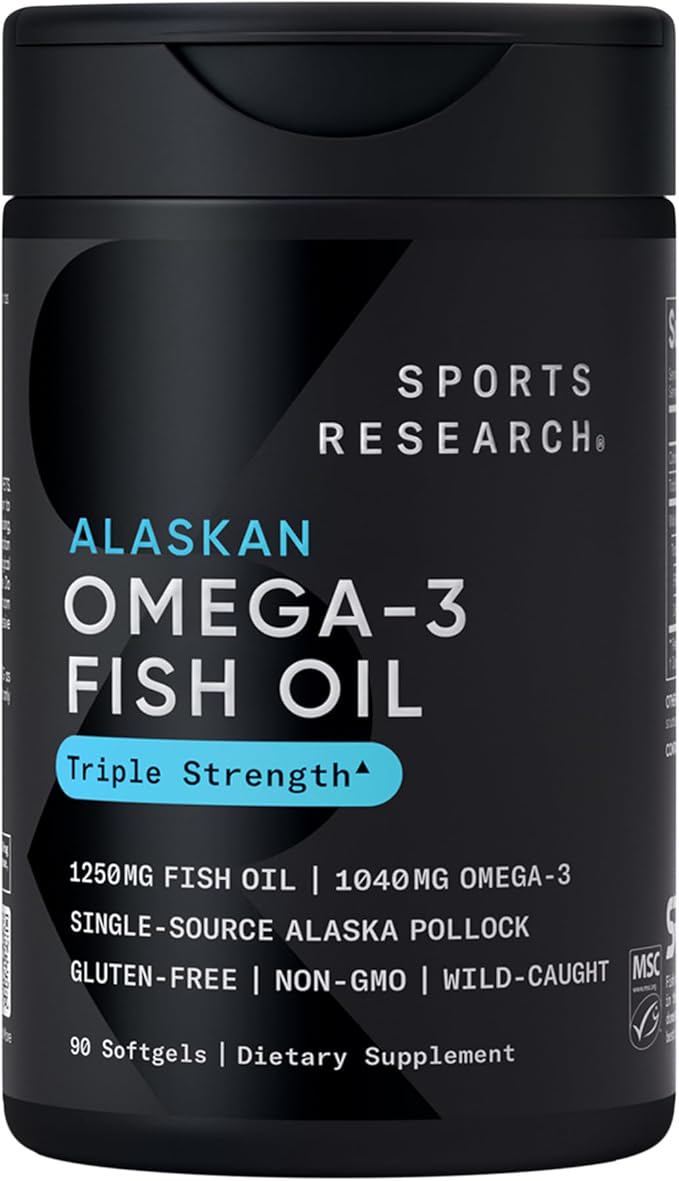
Include two 4–6 ounce servings of fatty fish per week. Try grilled salmon over a bed of greens for lunch, or canned sardines on whole-grain crackers as a pre-workout snack. If you don’t eat fish, consider a high-quality algae-based EPA/DHA supplement (though whole food is preferred).
4. Tart Cherries: Oxidative Stress and Recovery
Training five days a week generates free radicals that can damage muscle cells and impair mitochondrial function. Tart cherries are one of the few foods rich in anthocyanins that directly reduce exercise-induced oxidative damage and improve muscle recovery. A 2016 study in the Journal of the International Society of Sports Nutrition found that tart cherry juice reduced markers of inflammation and muscle soreness in endurance athletes.
How to Add Them
Drink 8–10 ounces of unsweetened tart cherry juice post-workout, or mix dried tart cherries with oats and nuts for a portable snack. You can also blend frozen tart cherries into recovery smoothies.
Putting It Together in a 5‑Day Training Week
No single food is a magic bullet. The real benefit comes from consistent inclusion across your weekly meal rotation. Here’s a simple framework:
- Before training (2–3 hours): Rolled oats with berries (pre-workout fuel) plus a small glass of beetroot juice (nitrate boost).
- Post-training (within 60 minutes): Tart cherry juice or a cherry smoothie (recovery and oxidative stress management).
- On rest days: Focus on fatty fish (omega-3s) and continue eating oats and beets to maintain glycogen and nitric oxide status.
Key principle: Carbohydrates are the primary fuel for cardio endurance. Fats and proteins support recovery and cell function. Don’t skimp on total energy—five weekly sessions demand adequate calories to sustain performance.
These four foods don’t require complicated recipes or expensive powders. They’re whole, accessible, and backed by evidence. Use them as the nutritional foundation of your training week, and your heart will thank you on every mile.