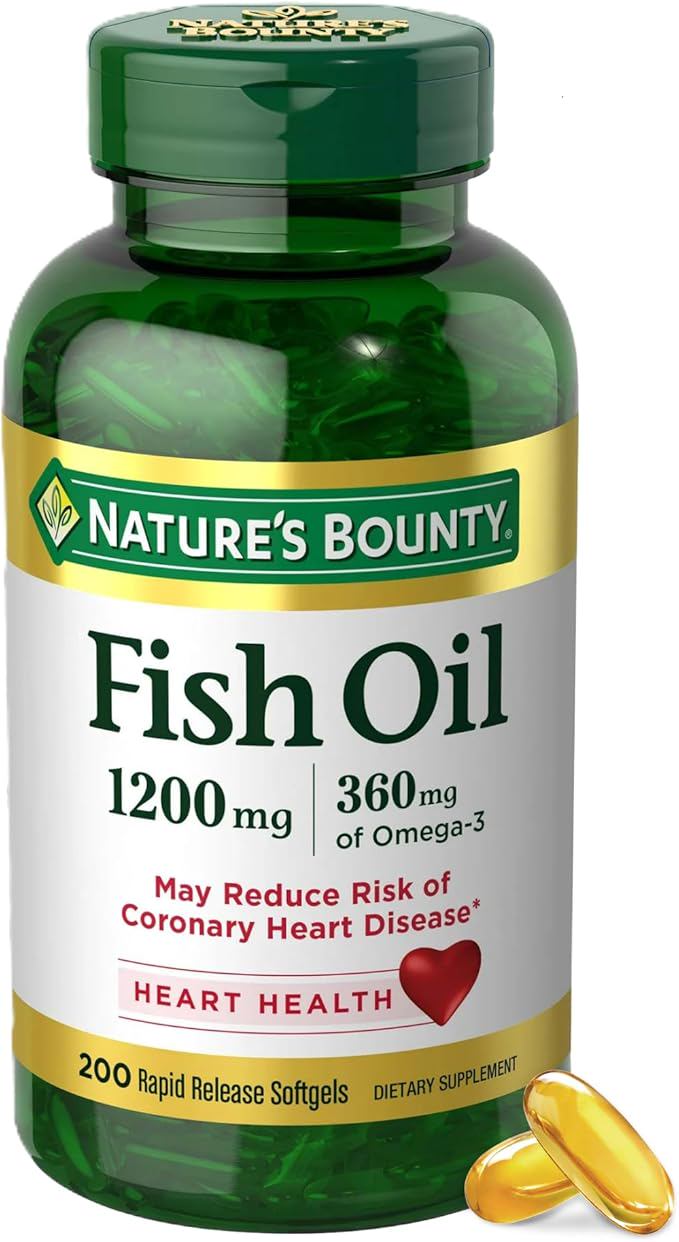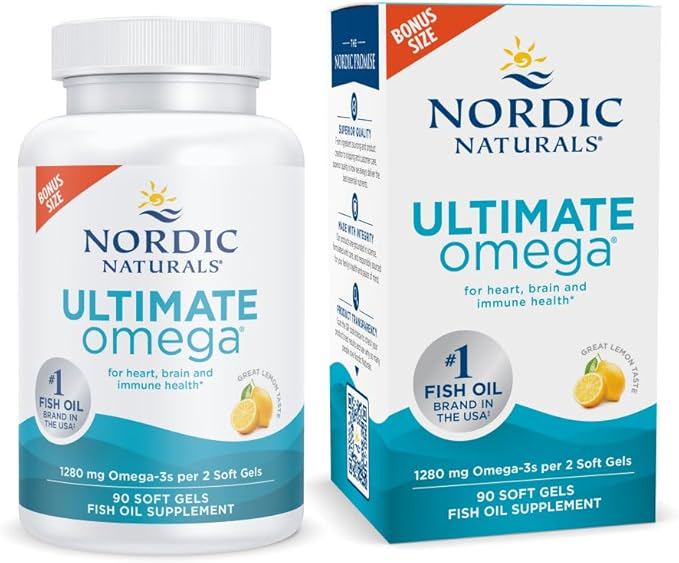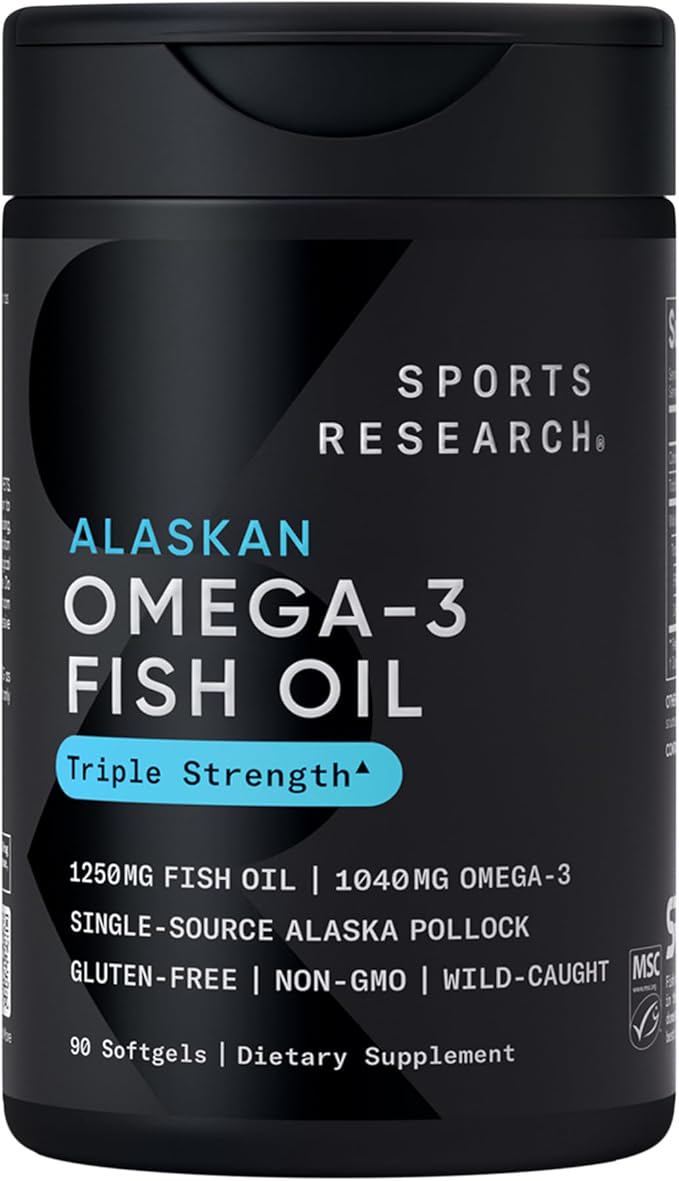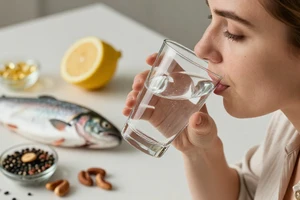
You take your fish oil, add flax to your smoothie, and snack on walnuts—so your omega-3 levels should be fine, right? Not necessarily. Even a diligent omega-3 routine can be quietly undone by everyday foods that interfere with how your body absorbs or uses these essential fats. The culprits aren't always obvious, and many of them sit in your pantry or fridge right now.
Let's look at four common foods that can secretly undermine your omega-3 intake, and what you can do about them without overhauling your entire diet.
1. Industrial Seed Oils: The Omega-6 Overload
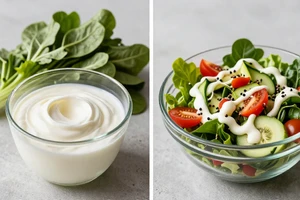
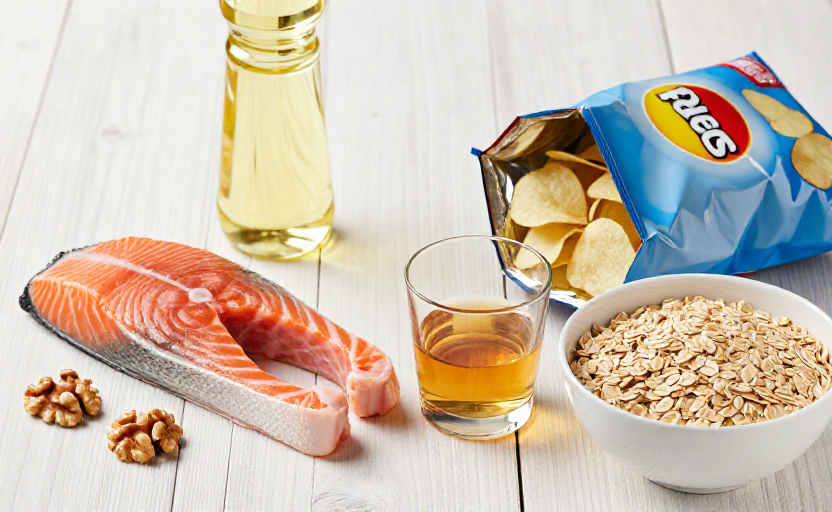
The most pervasive saboteur is also the most invisible. Oils like soybean, corn, sunflower, safflower, cottonseed, and grapeseed are packed with omega-6 fatty acids. A little omega-6 is necessary, but the modern diet is so heavy on these oils—found in salad dressings, mayonnaise, crackers, chips, and nearly all restaurant fried foods—that the ratio of omega-6 to omega-3 can be 20:1 or higher. Your body uses the same enzymes to process both types of fats. When those enzymes are busy handling an overload of omega-6, they have less capacity to convert the omega-3s you eat into their active forms, EPA and DHA. The result? Even if you eat plenty of omega-3s, your body may not be getting the full benefit.
2. Fried and Processed Snacks
This is where the seed oil problem becomes even more direct. Potato chips, tortilla chips, fried chicken, french fries, and many packaged snack foods are not only cooked in pro-inflammatory omega-6 oils, but they also contain trans fats (especially if partially hydrogenated oils are used). Trans fats are particularly troublesome: they can interfere with the enzymes that convert ALA (the omega-3 found in plants) into EPA and DHA. If you have a handful of walnuts or a spoonful of flaxseed oil alongside a bag of chips, your body may be fighting a losing battle.
Swapping your cooking oil to olive, avocado, or coconut oil is one of the simplest changes you can make to protect your omega-3 status.
3. Heavy Alcohol Consumption
Alcohol doesn't just affect your liver—it also disrupts fat metabolism. Chronic heavy drinking can reduce the activity of delta-6 desaturase, the same enzyme that processes omega-3 and omega-6 fatty acids. This inhibition makes it harder for your body to convert ALA (found in flax, chia, and walnuts) into the longer-chain EPA and DHA that your brain and heart need. While a glass of red wine now and then is unlikely to cause problems, regular heavy drinking can silently drain your omega-3 reserves.
4. A High-Fiber Diet (When Done Wrong)
Wait—isn't fiber good for you? Yes, absolutely. But there's a nuance. Very high intakes of soluble fiber from foods like oats, beans, lentils, and psyllium husk can bind to some dietary fats and reduce their absorption. For omega-3s, this is a double-edged sword. A reasonable amount of fiber is protective for your heart, but if you're eating a massively high-fiber meal alongside your omega-3-rich foods, you might not absorb as much of the fat. The solution isn't to avoid fiber; it's to eat your omega-3-rich foods separately from your highest-fiber meals, or to simply ensure your overall fat intake is adequate.
How to Protect Your Omega-3s
The goal isn't to live in fear of every ingredient. Instead, focus on small, strategic shifts:
- Swap cooking oils: Use olive, avocado, or coconut oil instead of soybean or corn oil.
- Read labels on dressings and sauces: Most store-bought versions are made with soybean oil. Look for brands using olive or avocado oil, or make your own.
- Choose snacks wisely: Skip the chips and fried foods, especially if you're taking an omega-3 supplement that day.
- Moderate alcohol: Keep it to one drink per day or less.
- Time your fiber: Don't drink a psyllium husk shake immediately after your fish oil. Give it an hour or two.
Your omega-3s work hard for your heart, brain, and inflammation levels—don't let these silent saboteurs undo your efforts.