Pushing hard in the gym is part of the process, but over-frequent training without adequate recovery can lead to more than just fatigue. It often creates subtle muscle imbalances—where some muscles become chronically tight, overworked, or shortened while their opposing muscle groups weaken or become inhibited. This isn't just a matter of poor form; it can set the stage for joint pain, reduced mobility, and recurring injuries.
While stretching and targeted strength work are critical, nutrition plays an often-overlooked role in rebalancing these patterns. Dietitians point to specific foods that help reduce inflammation in overworked tissues, support the repair of strained connective tissue, and provide the building blocks for rebuilding weaker areas. Here are four foods that can help correct muscle imbalances stemming from high-frequency training.
1. Fatty Fish for Reducing Muscle Inflammation and Improving Mobility
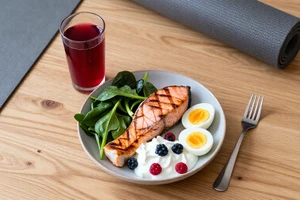
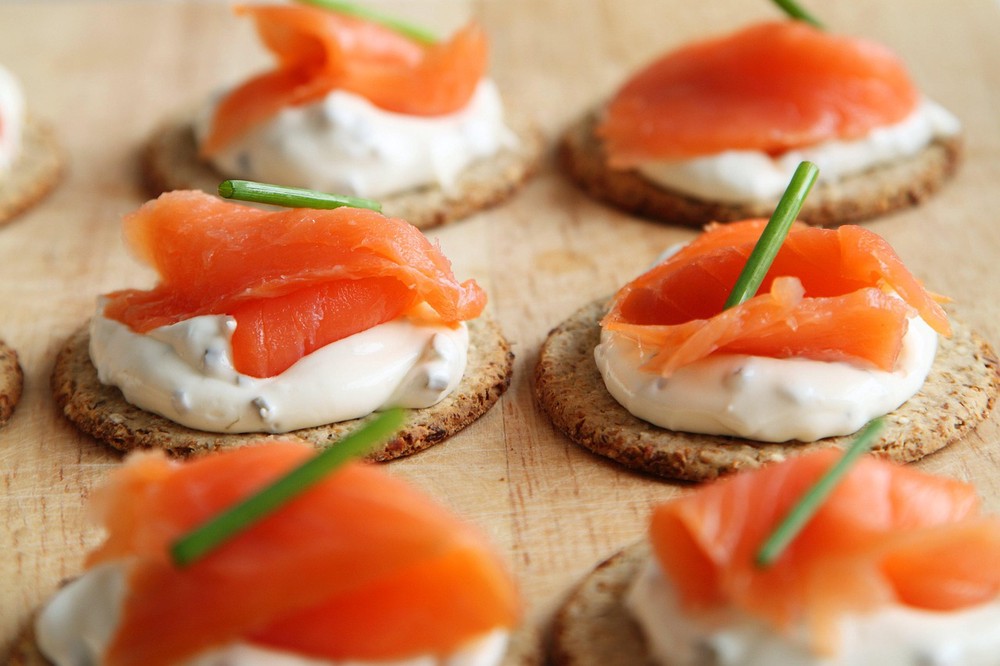
Over-frequent training often leaves certain muscles in a state of low-grade, persistent inflammation. This is especially common in the hip flexors, lower back extensors, and upper trapezius—muscles that tend to get tight and remain activated. Chronic inflammation here can inhibit the opposing muscles (like the glutes or deep neck flexors) from firing properly. Fatty fish like salmon, mackerel, and sardines are rich in omega-3 fatty acids (EPA and DHA), which help regulate the body's inflammatory response.
Registered dietitian nutritionists note that a consistent intake of omega-3s helps manage the systemic inflammation that keeps overused muscles in a constant state of tension. When those tight muscles start to relax, your nervous system can better recruit and strengthen the weak, inhibited muscles on the other side of the joint. Aiming for two 3- to 4-ounce servings of fatty fish per week is a practical starting point for supporting this rebalancing process.
2. Dark Leafy Greens for Tissue Repair and Connective Tissue Health
Muscle imbalances aren't just about the muscle bellies themselves. The connective tissue—tendons, fascia, and ligaments—often takes a hit when you train the same movement patterns day after day. Dark leafy greens like spinach, kale, Swiss chard, and collard greens are packed with vitamin K, magnesium, and antioxidants that are essential for connective tissue repair and flexibility.
Magnesium is particularly important here. It helps muscles relax after contraction and plays a role in protein synthesis and cell turnover. An overworked, tight muscle often lacks adequate magnesium. Eating a generous portion of leafy greens daily can help improve the pliability of tight fascia and support the healing of micro-damage in the tendons of overused muscle groups. Over time, this improved tissue health allows for a greater range of motion and more balanced force production across the joint.
3. Tart Cherry Juice or Cherries for Reducing Muscle Soreness and Speeding Recovery
When you train a specific muscle group too frequently, the micro-tears don't have enough time to fully heal before the next session. This cumulative damage can worsen the imbalance, as the overworked side becomes increasingly stiff and guarded. Tart cherries and their juice are among the most researched foods for accelerating recovery due to their high concentration of natural anti-inflammatory compounds called anthocyanins.
A small glass of tart cherry juice after a hard session can help lower oxidative stress and muscle soreness, allowing the overworked muscle to return to a more neutral state faster.
Dietitians often recommend this as a post-training recovery drink, particularly when you're in a phase of high training frequency. By speeding up recovery in the tight, overused muscles, you reduce the stiffness that often forces you to compensate with other muscle groups. This can create a window of opportunity to focus on activating and strengthening the weaker, inhibited muscles.
4. Bone Broth or Collagen-Rich Foods for Joint and Tendon Support
Muscle imbalances frequently manifest at the joints. For example, tight pectorals and a weak upper back can pull the shoulder joint forward into a less stable position. This puts extra stress on the joint capsule, labrum, and rotator cuff tendons. Bone broth, chicken skin, fish skin, and high-quality collagen peptides provide glycine, proline, and other amino acids that support the structural integrity of cartilage and tendons.
The body uses these amino acids to repair and maintain the collagen matrix in connective tissues that bear the brunt of imbalanced loads. By providing the raw materials for joint and tendon health, you help ensure that the structural rails remain strong while you work on correcting the muscle asymmetry itself. Regular inclusion of collagen-rich foods, especially when paired with vitamin C (from citrus or bell peppers) to aid absorption, gives your joints the support they need during the rebalancing process.
Putting It Together: A Food-First Approach to Muscle Balance
Correcting muscle imbalances doesn't happen overnight, and food alone won't fix a structural issue caused by poor exercise selection. However, these four food categories directly address the physiological consequences of over-frequent training—systemic inflammation, impaired connective tissue repair, and delayed recovery. By incorporating them into a balanced diet, you give your body a better foundation to restore symmetry, improve movement quality, and reduce injury risk over the long term.