
Pregnancy changes everything about how your body moves—including the way your hamstrings feel. As your belly grows and your center of gravity shifts forward, the muscles along the back of your legs often tighten in response. This isn't a sign that you're doing something wrong; it's a natural adaptation. But if you're in a prenatal yoga class and suddenly can't touch your shins without rounding your spine, you need real options—not just someone telling you to breathe through it.
The following four modifications are grounded in both yoga biomechanics and prenatal safety. They respect the ligamentous laxity that comes with pregnancy (thanks to relaxin) while giving you a genuine stretch, not a strain. Use them as needed, whether you're in a studio, a living room, or a quiet corner of the park.
1. Widen your stance for forward folds
Tight hamstrings often scream the loudest in standing forward folds like Uttanasana. The classic cue is feet hip-width apart, but for many pregnant bodies, that position actually increases tension through the posterior chain. Widening your feet to mat-width or slightly wider—turning the toes in just a few degrees—changes the angle of pull on the hamstring origins. This small shift reduces the stretch intensity at the sit bones while still allowing a long spine.
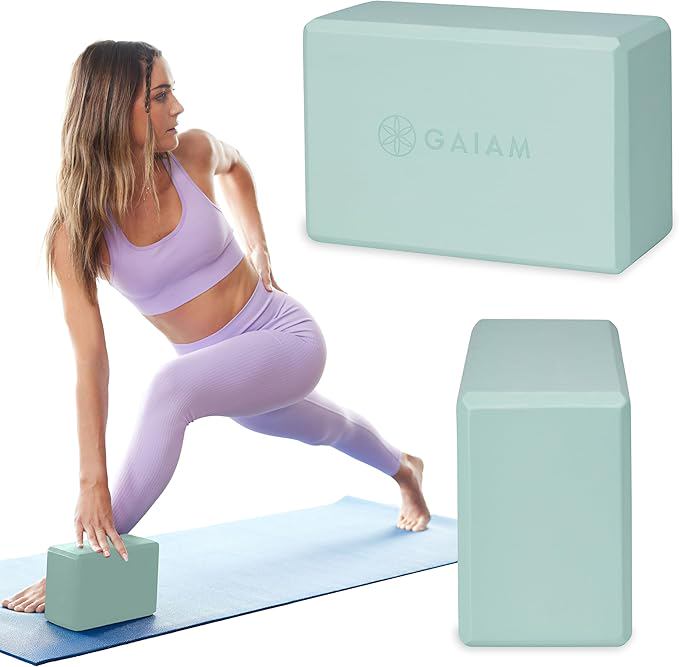
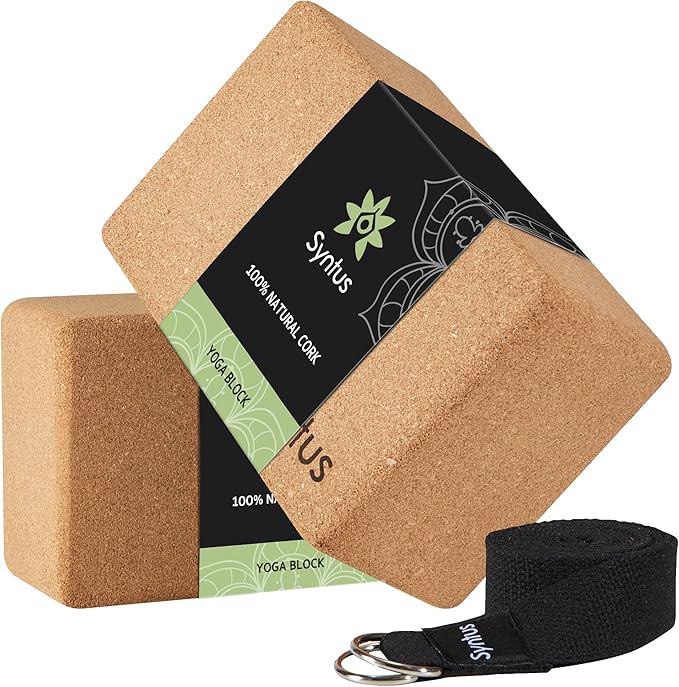
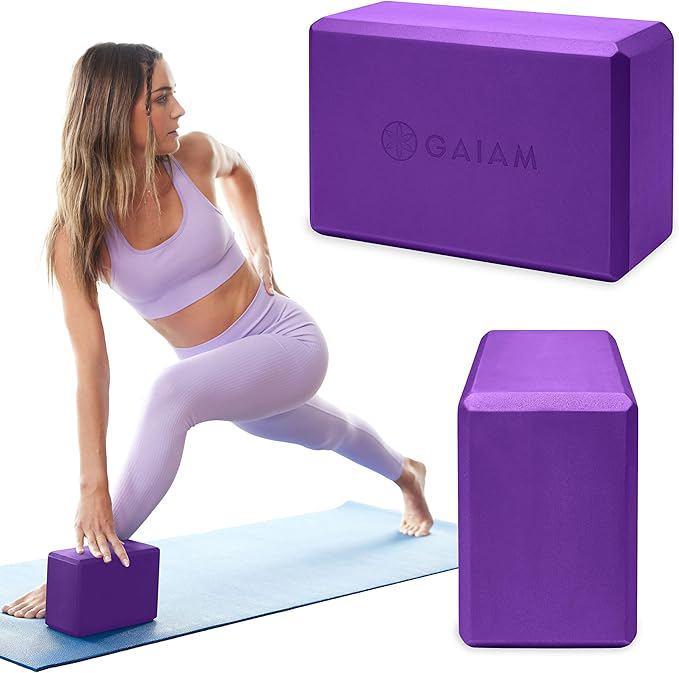
Keep your knees soft (a microbend, not a lockout) and place your hands on blocks or your thighs rather than reaching for the floor. Let your belly rest between your legs if it's comfortable. The goal is lengthening without tugging, not depth.
The cue to remember: feet wider, knees bent slightly, hands supported. Depth is irrelevant; length is everything.
2. Use a chair or wall for standing splits and half-moon
Standing poses that lift one leg—like Ardha Chandrasana (half-moon pose) or Utthita Hasta Padangusthasana (extended hand-to-big-toe pose)—directly target the hamstring of the standing leg. These are often marked by a sharp grab at the back of the thigh. The easiest modification is to keep the lifted foot on a chair seat, a low table, or a sturdy wall at hip height. This takes the load off the hamstring origin and lets the muscle release gradually rather than being forced into a stretch by gravity.
For half-moon, keep your bottom hand on a block (not the floor) and the top hand on your hip for stability. If the standing leg hamstring still feels too tight, shorten your stance—bring the lifted leg lower, even to ankle height on a block. There is no rush to get the leg horizontal. The pose is still effective at 45 degrees.
3. Switch to reclined hamstring stretches with a strap
When standing stretches feel unstable or too intense, move to the floor. Lying on your back with knees bent, loop a yoga strap, belt, or long towel around the ball of one foot. Extend that leg toward the ceiling, keeping the opposite foot flat on the floor and both hips grounded. Pull gently on the strap until you feel a modest sensation along the back of the thigh—not a sharp pain, not a shaking limb. Hold for 6–8 breaths, then switch sides.
Because relaxin softens ligaments during pregnancy, it's possible to overstretch a hamstring without realizing it until the next day. Avoid straightening the lifted leg completely if you feel any pulling behind the knee. A slight knee bend is protective. This modification is especially useful in the second and third trimesters, when lying flat on the back may require a small wedge under your right hip to maintain circulation.
4. Replace seated forward folds with a supported angle
Seated forward folds—Paschimottanasana and its variations—put direct tension on the hamstrings from a different angle. Many prenatal yogis find that sitting upright and folding from the hips is nearly impossible because the hamstrings resist. Instead, sit on a folded blanket or a bolster so your hips are higher than your knees. This tilts the pelvis forward, which reduces the demand on the hamstrings before you even start folding. Then place a bolster or stacked pillows across your thighs and rest your forehead on it. Do not pull yourself forward with your hands. Let gravity do the work—and only as much as your hamstrings allow.
If even this feels too tight, stay upright and simply hold the bolster. The release comes from the supported position, not from the depth of the fold. You can also try a wide-leg seated fold in the same supported setup. The key is always the same: pelvis tilted forward, knees soft, spine long.
These four approaches give you a practical toolkit that doesn't depend on perfect flexibility. They work equally well whether you're an experienced practitioner adapting to your pregnant body or a beginner who has always had tight hamstrings. The underlying principle is that stretching during pregnancy should feel like a release, not a battle. If a modification doesn't produce a sense of space within a few breaths, back off further. Your body is building a human; the hamstrings can wait.