You finished your first week of workouts. Great. Now you're parched and reaching for whatever is cold. Before you chug that sports drink or iced coffee, consider this: what you drink after exercise can either help your body recover or undo some of the work you just did. For beginners especially, the wrong beverage can cause bloating, jitters, or dehydration without you realizing it.
We asked certified trainers which drinks they see new exercisers grabbing most often—and which ones they wish beginners would skip until their bodies adapt. Here are the four they flagged, plus what to sip instead.
Why beginners need to be more careful
When you’re new to exercise, your body isn’t yet efficient at managing fluid balance, electrolyte shifts, or blood sugar spikes. “A beginner’s body is still learning how to regulate temperature and redistribute blood flow,” says certified strength coach Michael Torres. “That means the consequences of a poorly chosen drink—like a crash or stomach upset—hit harder.”
Your hydration needs are real, but the drink you choose matters more than you might think. Here’s what trainers say to avoid.
1. Sugary sports drinks
That neon bottle of electrolyte beverage may seem like the obvious choice, but for a beginner doing a moderate 30-minute workout, it’s overkill. Most standard sports drinks pack about 20 to 30 grams of sugar per serving—roughly the same as a candy bar. “Unless you're sweating hard for over 60 minutes, you don't need that sugar,” says running coach and personal trainer Ella Park. “New exercisers often drink them thinking they’re hydrating, but they’re really just drinking liquid sugar.”
The result can be an energy spike followed by a crash, plus extra calories your body doesn’t need to replenish after a short session. Stick to water with a pinch of salt or an electrolyte tablet with zero sugar if you want the minerals without the sugar load.
2. Iced coffee or cold brew
Coffee before a workout can give you a boost. Coffee right after? Not so much. Caffeine is a diuretic, meaning it can increase urine output. If you’re already mildly dehydrated from sweating, a big iced coffee can make it worse. “I see beginners grabbing a cold brew thinking it’s a recovery treat,” says trainer Darius Chen. “But caffeine can also raise your heart rate and cortisol levels when your body should be cooling down.”
Wait at least an hour after exercise before having coffee, and drink a full glass of water first. If you want flavor, try plain water with lemon or unsweetened herbal tea served cold.
3. Carbonated soft drinks (any kind)
A cold cola or lemon-lime soda might sound refreshing, but carbonation plus sugar (or artificial sweeteners) is a tough combination for a beginner’s stomach post-exercise. “After a workout, blood flow is diverted away from your digestive system,” explains Torres. “Carbonated drinks can cause bloating, gas, and discomfort because digestion is slower.”
Diet sodas aren’t better—artificial sweeteners can trigger digestive issues in some people, and they don’t replace the electrolytes you lost. Sparkling water with a splash of fruit juice is a lighter option, but plain still water remains the best choice for the first 30 minutes after exercise.
4. Alcohol (especially beer or hard seltzer)
This one might seem obvious, but trainers say it’s more common than you’d think—especially for people who exercise in the late afternoon and have an evening social event. Alcohol is a diuretic, impairs muscle protein synthesis, and slows down recovery. “I’ve had clients who think a light beer or hard seltzer is basically hydrating because it’s mostly water,” says Park. “It’s not. Even one drink within two hours of exercise reduces your body’s ability to rehydrate effectively.”
If you’re going to drink, wait until you’ve had at least two full glasses of water first, and understand that your recovery won’t be as efficient. For beginners building new habits, skipping alcohol completely post-workout is the smarter move.
What you should drink instead
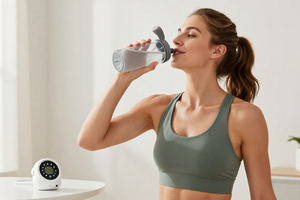
Trainers agree: plain water is the gold standard for most beginners after a moderate workout. If you sweated heavily, add a pinch of salt or choose an unsweetened electrolyte powder. Chocolate milk (low-fat) is also a solid option—it has protein, carbs, and fluid in one convenient drink. And if you want something warm, plain herbal tea works well.
“When you’re new to exercise, keep it simple. Water first, then see how you feel. You don’t need fancy hydration until your workouts get longer and harder.” — Ella Park, personal trainer