
You’ve scheduled your workout, you’re mentally ready, and you reach for something to sip before you start. That pre‑exercise drink may seem harmless—but if you live with lower back pain, certain beverages can quietly work against you, adding inflammation, dehydration, or tension to an area that’s already vulnerable.
Lower back pain is often multifactorial: weak support muscles, stiff joints, disc issues, or chronic inflammation can all play a part. What you drink before a workout can either help you move more freely or set you up for a tighter, sorer experience. Here are four drinks worth skipping before exercise if your low back is a sensitive spot—and smarter swaps to consider instead.
1. Sugary sports drinks
It seems counterintuitive: sports drinks are marketed to athletes, so they must be good for exercise, right? The problem is that most commercial sports drinks pack a high dose of sugar—often in the form of high‑fructose corn syrup or sucrose—which can spike your blood sugar quickly.
For people with lower back pain, that sugar spike may trigger a noticeable increase in systemic inflammation. Inflammatory chemicals like cytokines can heighten pain sensitivity around already irritated lower back structures. Moreover, excessive sugar can dehydrate you on a cellular level, and even mild dehydration can worsen disc hydration and joint lubrication, making back movements more uncomfortable.
Better swap: Water with a pinch of sea salt and a squeeze of lemon. If you need electrolytes during a long or intense session, choose an unsweetened electrolyte powder or a zero‑sugar option that lists only minerals—not artificial sweeteners, which can also cause bloating or cramping for some people.
2. Coffee (on an empty stomach, or too much)
For many of us, coffee is the pre‑workout ritual. But for someone with lower back pain, timing and quantity matter. Caffeine is a central nervous system stimulant that can temporarily mask pain, giving you a false sense of readiness. You might push harder than your back can handle, only to feel that hidden ache later—sometimes worse than before.
Coffee also stimulates the adrenal glands, which raises cortisol. Chronically elevated cortisol can contribute to muscle breakdown and hinder tissue repair, especially in the deep stabilizers of the lower back. On the hydration side, a large coffee can act as a mild diuretic, pulling water out of your system just when your spinal discs need it most to remain plump and shock‑absorbing.
One cup of coffee 60–90 minutes before a workout is generally fine for most people—but on an empty stomach it can amplify the jitters and tension. Consider pairing it with a small snack to blunt the cortisol spike.
Better swap: If you want gentle alertness without the back‑risk, try green tea or a small cup of black tea. Both contain L‑theanine, an amino acid that can smooth out the caffeine effect and lower anxiety—and less tension often means a happier low back.
3. Carbonated soft drinks (regular or diet)
Soda—whether sugary or artificially sweetened—is a triple threat for anyone with back discomfort. First, the carbonation can lead to bloating and gas, which increases intra‑abdominal pressure. This pressure can pull your pelvis forward and exaggerate the curve of your lower spine, straining already sensitive lumbar structures during movement.
Second, diet sodas often contain phosphoric acid to balance flavor. High phosphorus intake can interfere with the body’s calcium‑to‑phosphorus ratio, potentially weakening bones over time (particularly concerning if you have disc degeneration or osteoarthritis in the lower back). Third, artificial sweeteners like aspartame may be linked to increased pain perception in some individuals, possibly through NMDA receptor activation—a neural pathway involved in chronic pain.
Better swap: Plain sparkling water with a splash of tart cherry juice. Tart cherry is one of the few researched foods shown to reduce exercise‑induced muscle soreness and lower inflammation markers, which could directly benefit your back.
4. High‑caffeine energy drinks
Energy drinks take the coffee problem and magnify it. They typically contain 150–300 mg of caffeine per can, plus other stimulants like taurine, guarana, and B‑vitamins. While the jolt might feel like a workout super‑power, it can also ramp up muscle tension and involuntary tightening—especially in the back extensors and glutes.
For someone with an existing lower back condition, that extra tension can alter your movement pattern during squats, deadlifts, or even walking lunges, leading to guarded movement and increased compressive forces on the spine. A 2022 study in the Journal of Strength and Conditioning Research found that high caffeine doses prior to resistance training increased perceived effort in the lower back, possibly due to heightened neural drive that doesn’t allow muscles to relax between reps.
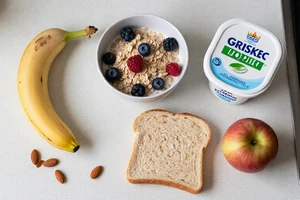
Better swap: A small, well‑timed pre‑workout snack that includes a little natural caffeine (like matcha) and a balance of carbs and protein—say, half a banana with a spoonful of almond butter. This gives you steady energy without over‑stimulating your nervous system.
The bigger picture: what to sip instead
If you want one simple rule for back‑friendly hydration before exercise: start with water. Most people are mildly dehydrated when they begin a workout, and even a 2% drop in hydration can impair muscle function and joint lubrication. Sip 8–12 ounces of water about 20–30 minutes before you move.
- Still want flavor? Add a slice of lemon, lime, or cucumber.
- Need electrolytes? Choose an unsweetened, mineral‑based electrolyte tablet dissolved in water (no sugar, no artificial dyes).
- Craving warmth? A cup of ginger or turmeric tea can provide anti‑inflammatory compounds that may support your back.
Listen to your body: if you notice that certain drinks leave you feeling tight, puffy, or more achy during or after a workout, pause and test a water‑only week. Small swaps can make a real difference in how your lower back feels—and how confidently you move.