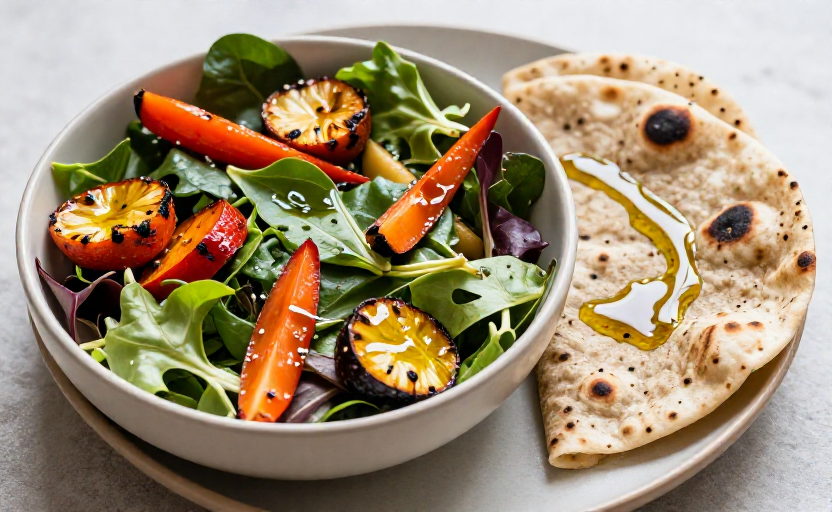
Fighting chronic inflammation doesn't mean resigning yourself to bland meals or restrictive diets. Small, thoughtful swaps—choosing one ingredient over another—can significantly increase your antioxidant intake while keeping your taste buds happy. Here are four practical food swaps that deliver more anti-inflammatory power per bite, backed by nutrition science and real-world flavor.
1. Swap Refined Grains for Ancient Grains
White rice and refined pasta spike blood sugar quickly, which can promote inflammatory responses in the body. Instead, try jowar (sorghum), brown rice, or quinoa. These whole grains are rich in polyphenols and fiber, both of which help reduce oxidative stress. Jowar, in particular, contains high levels of tannins and anthocyanins—antioxidants that give the grain a slightly nutty, earthy flavor. Use it as a roti base or a pilaf to instantly upgrade your plate without losing comfort.
Tip: Cook ancient grains in vegetable broth and toss with roasted vegetables for an effortless, inflammation-friendly bowl.
2. Replace Dairy Cream with Coconut or Cashew Cream
Heavy cream and butter add saturated fat and pro-inflammatory compounds for some individuals. Swapping in full-fat coconut milk or blended cashew cream provides healthy medium-chain triglycerides and antioxidants like vitamin E. These plant-based alternatives create silky sauces and curries—think Thai-inspired coconut curry or creamy tomato soup—without the inflammatory load. The richness stays, but the antioxidant profile improves.
3. Choose Dark, Leafy Greens Over Iceberg Lettuce
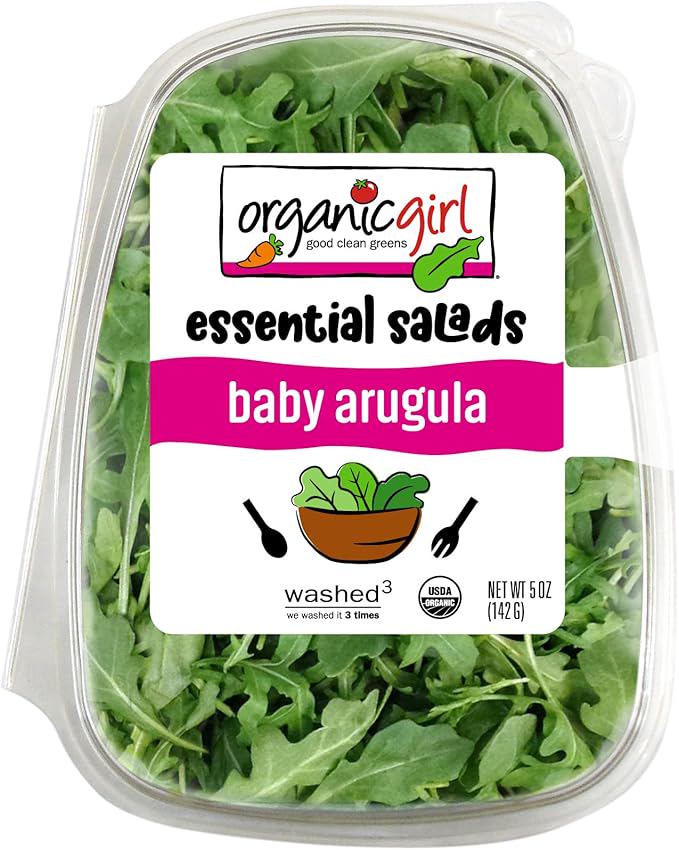
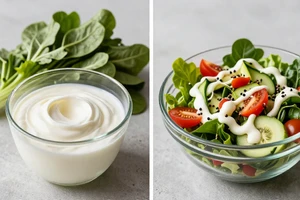
Salads are a go-to for healthy eating, but not all greens are equal. Iceberg lettuce offers minimal antioxidants. Swap it for antioxidant powerhouses like spinach, kale, or arugula. These greens are loaded with lutein, beta-carotene, and vitamin C—nutrients that quell inflammation at the cellular level. Massage kale with olive oil and lemon juice to soften its texture, then top with your favorite seeds. You get a satisfying crunch and a serious nutrient boost.
4. Trade Sugary Dressings for Simple Vinaigrettes
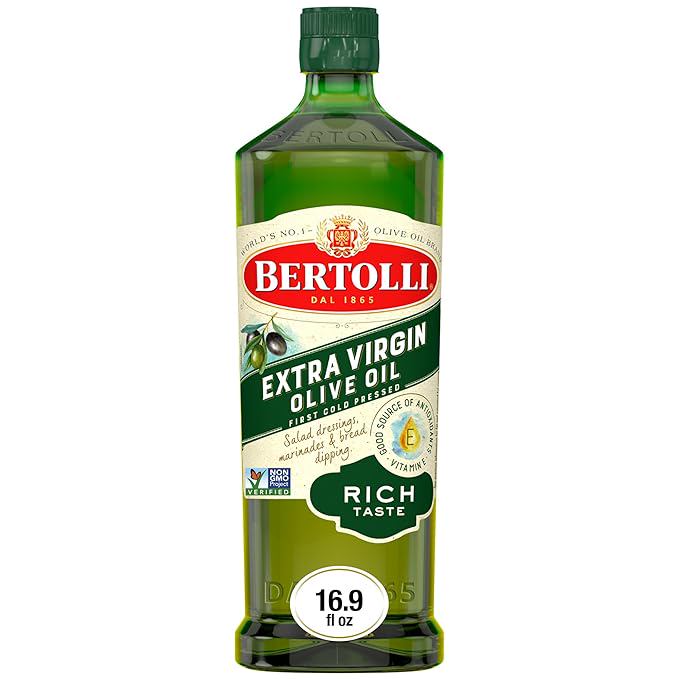
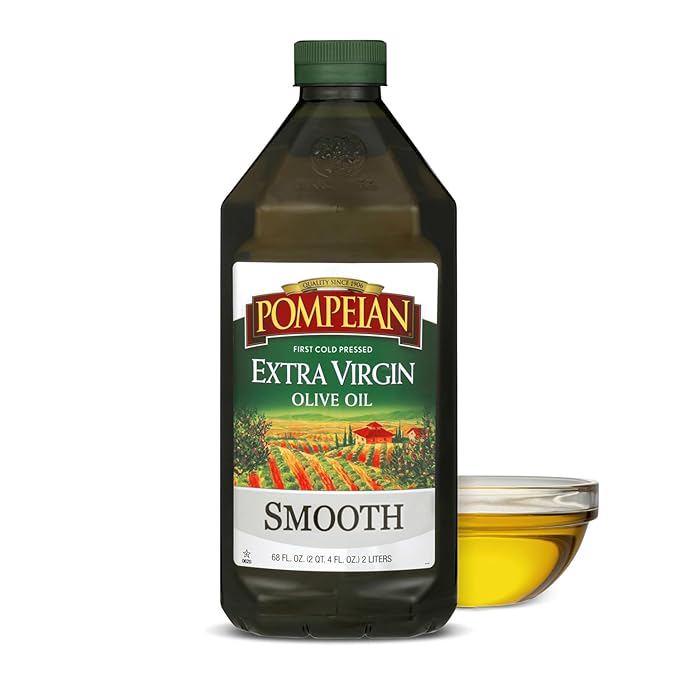
Many bottled salad dressings are packed with refined sugars and industrial seed oils that can trigger inflammation. A quick swap: whisk together extra virgin olive oil, balsamic vinegar, Dijon mustard, and a pinch of black pepper. Olive oil is rich in oleocanthal, a compound with anti-inflammatory properties similar to ibuprofen. The piperine in black pepper enhances antioxidant absorption from vegetables. This simple vinaigrette tastes bright and bold—no sugar required.
These four swaps aren't about deprivation; they're about upgrading your everyday ingredients. By choosing foods naturally high in antioxidants—like ancient grains, plant-based creams, dark greens, and simple oils—you can actively support your body's anti-inflammatory processes without feeling like you're on a diet. Start with one swap this week, and notice how small changes add up to real relief.