
Every runner knows the feeling: you crush a tough workout, your legs feel strong, and then the next morning hits. That deep, dull ache in your quads and calves isn’t just a badge of effort—it’s a sign your body is working to repair the microtears that come with pushing your limits. While some soreness is normal, chronic inflammation can slow your recovery and keep you from lacing up as often as you’d like.
The good news? The foods you eat can help your muscles bounce back faster. Instead of reaching for an anti-inflammatory pill or a sugary sports drink, consider adding these four science-backed foods to your post-run routine. They don’t require a complicated meal plan—just a few smart swaps at the grocery store.
Tart Cherries: Nature’s Recovery Shot
Tart cherries, especially the Montmorency variety, are packed with anthocyanins—plant compounds that give the fruit its deep red color and act as powerful antioxidants. Research suggests that drinking tart cherry juice after intense exercise can reduce markers of inflammation and muscle damage, helping soreness fade sooner than it would on its own.
You don’t need a liter of juice. A small glass (about 8–10 ounces) of unsweetened tart cherry juice within an hour after your run, or a handful of dried tart cherries mixed into your post-workout oatmeal, can deliver the benefit without excess sugar. If you prefer whole fruit, frozen tart cherries are just as effective and easy to blend into a smoothie.
Pro tip: Look for “unsweetened” on the label. Added sugar can counteract the anti-inflammatory effects.
Fatty Fish: Omega-3 Power for Muscle Repair
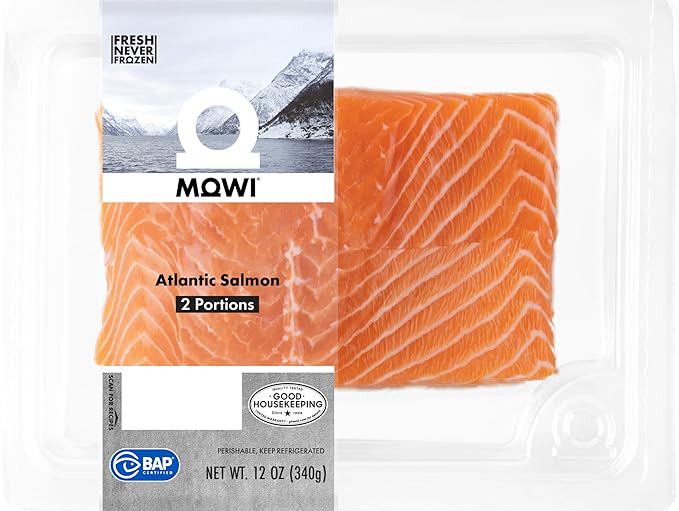
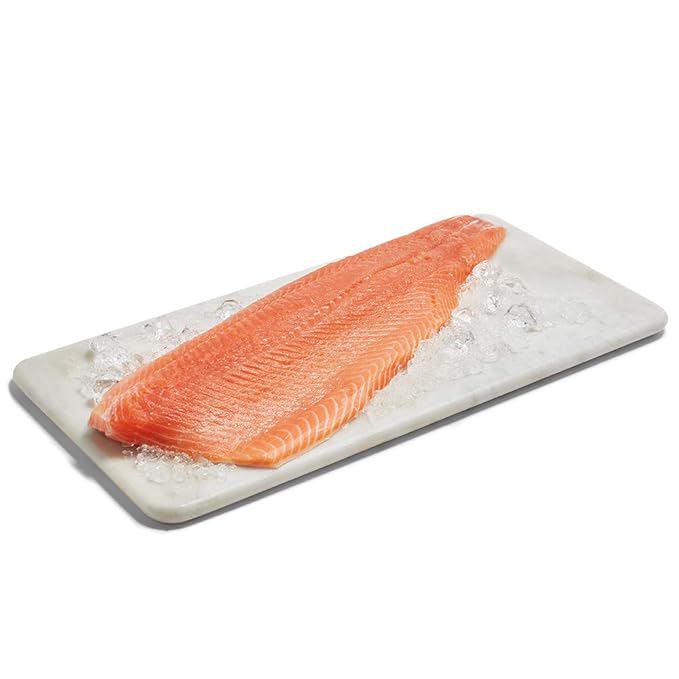
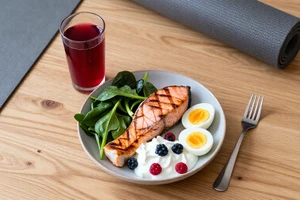
Fatty fish like salmon, mackerel, and sardines are among the best natural sources of omega-3 fatty acids—specifically EPA and DHA. These fats work at the cellular level to reduce the production of inflammatory molecules. For runners, that translates to less stiffness and faster recovery between training sessions.
You don’t need to eat fish every single day. Aim for two servings per week, with a serving being about 3–4 ounces cooked. A post-run dinner of grilled salmon with roasted vegetables and a side of quinoa hits the recovery sweet spot: protein for muscle repair, omega-3s for inflammation control, and complex carbs to refuel glycogen stores.
If you follow a plant-based diet, consider a high-quality algae-based omega-3 supplement or add ground flaxseed and walnuts to your meals, though the conversion to EPA and DHA is less efficient.
Turmeric: The Golden Spice That Targets Joint Soreness
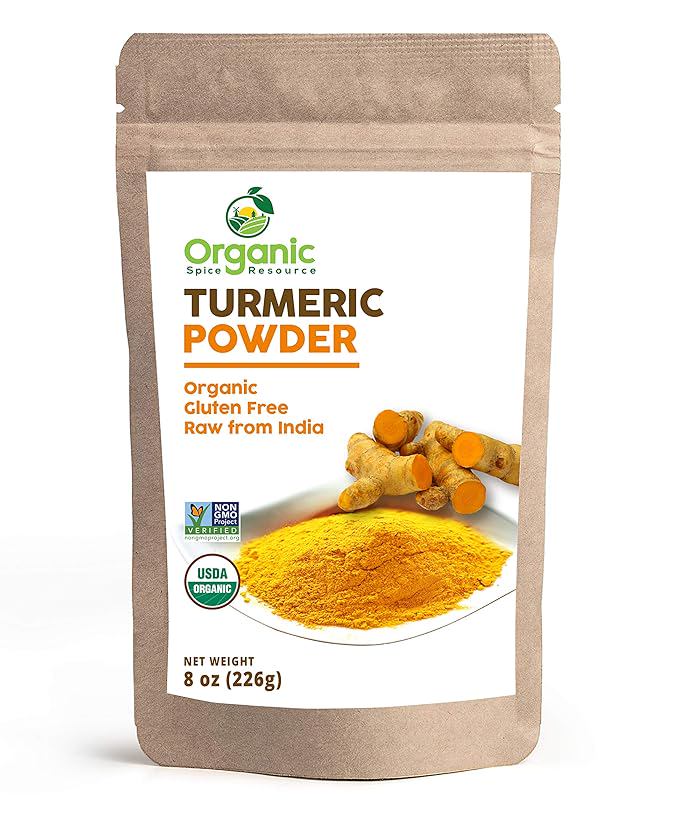
Turmeric contains curcumin, a compound widely studied for its ability to reduce inflammation, particularly in joints and connective tissue—areas runners often overlook until they start hurting. The catch is that curcumin isn’t easily absorbed on its own. Pairing it with black pepper (which contains piperine) can boost absorption by up to 2,000%.
One simple way to get turmeric into your routine: stir a teaspoon of ground turmeric and a pinch of black pepper into a warm post-run latte or golden milk made with unsweetened almond or oat milk. You can also add it to scrambled eggs, roasted sweet potatoes, or a lentil soup for a savory recovery meal.
Note: Curcumin is fat-soluble, so a small amount of healthy fat—like coconut milk or olive oil—further enhances absorption.
Leafy Greens: Magnesium for Muscle Relaxation
Dark leafy greens such as spinach, kale, and Swiss chard are rich in magnesium, a mineral that plays a key role in muscle relaxation and reducing cramping. They also provide antioxidants like vitamin C and beta-carotene that help quell exercise-induced oxidative stress.
A big handful of baby spinach wilts easily into a post-run omelet or stir-fry, or you can toss a cup of raw kale into a smoothie with tart cherries and a splash of ginger. Aim for at least one serving of leafy greens within a few hours of your run to support your body’s natural cooling-down process.
These four foods aren’t magic pills—no single ingredient can erase the soreness from an aggressive training block. But when used consistently as part of a balanced diet, they can help your muscles recover more comfortably so you can enjoy the next run, not dread it.