If you train often, you know that soreness is part of the deal. But when that familiar ache settles into your lower back and refuses to leave, it stops being a badge of effort and starts being a warning sign. Chronic low-grade inflammation in the lumbar region can quietly undermine your mobility, recovery, and long-term joint health.
What you drink matters here. Certain beverages contain compounds that help calm systemic inflammation and support the connective tissues, discs, and muscles around your spine. These four anti-inflammatory drinks are backed by solid science and easy to add to your daily routine. They are not quick fixes—they are consistent supports for a body that works hard.
Why the Lower Back Is Vulnerable in Frequent Training
Your lower back absorbs compressive force during squats, deadlifts, running, and even core work. Over time, micro-tears in muscle fibers and stress on the lumbar discs trigger an inflammatory cascade. While acute inflammation is part of healing, chronic inflammation can stiffen the fascia, reduce blood flow, and increase the risk of disc degeneration.
Anti-inflammatory compounds work by modulating cytokines and oxidative stress. The drinks below deliver these compounds in forms your body can actually use.
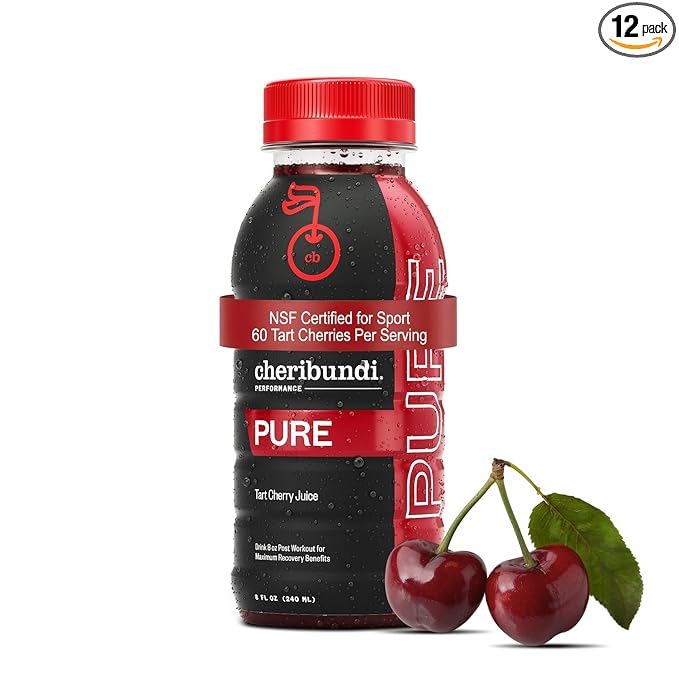
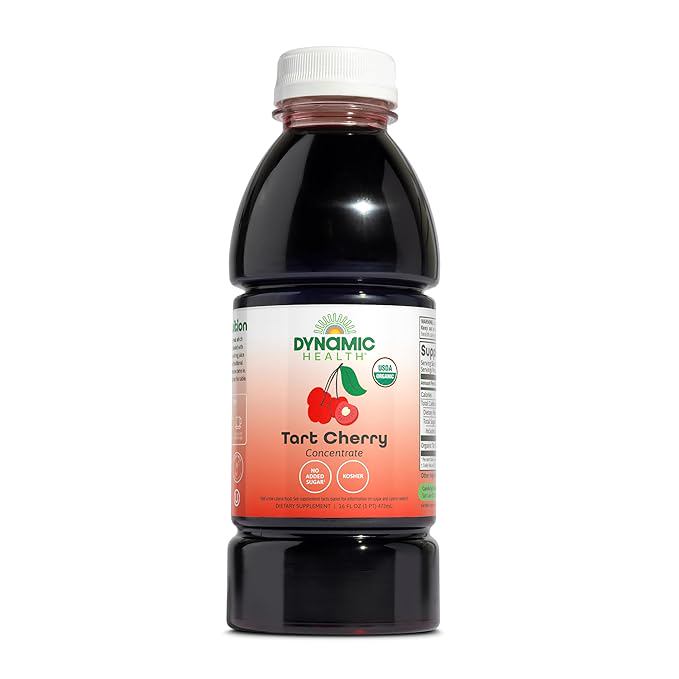
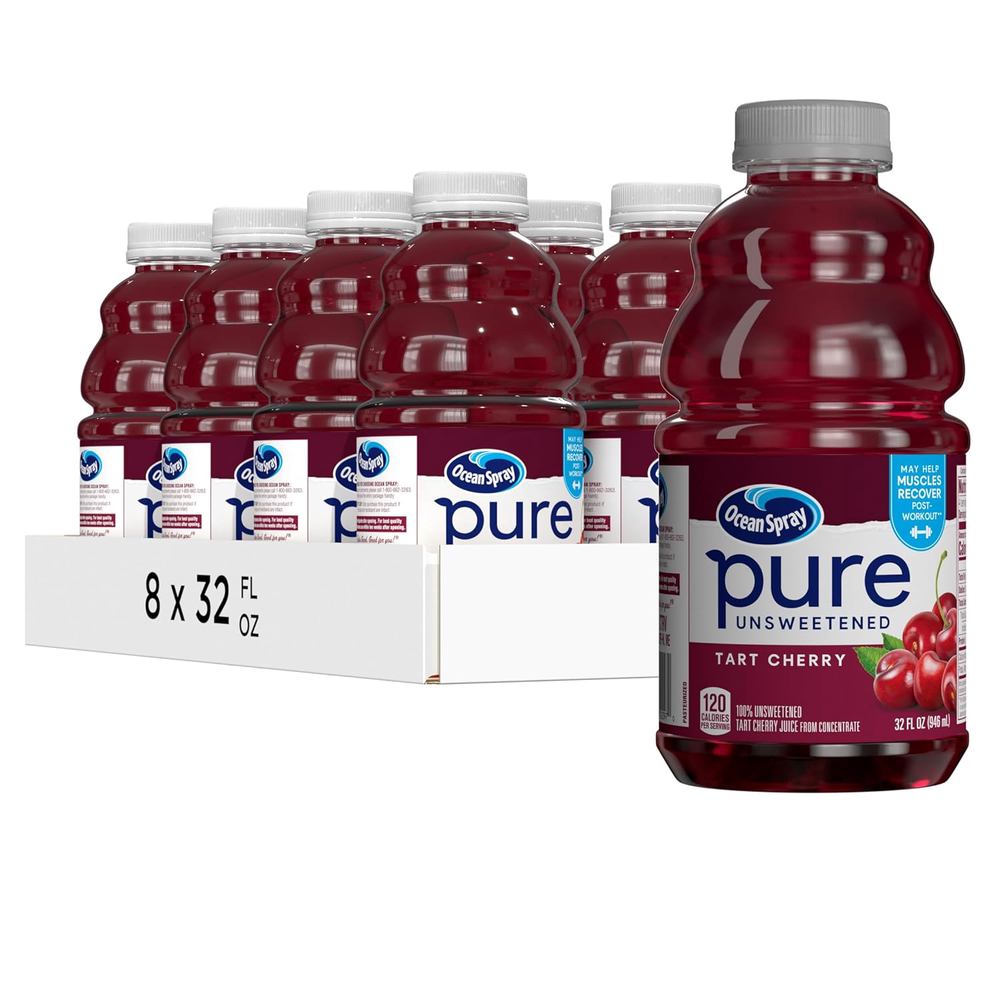
1. Tart Cherry Juice for Muscle Recovery
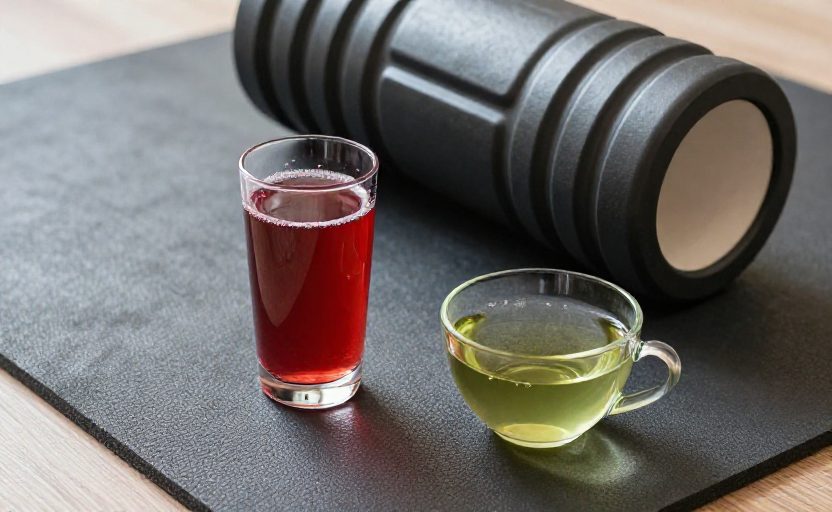
Tart cherry juice is one of the most studied natural drinks for exercise recovery. It is rich in anthocyanins—pigments that give cherries their deep red color and act as potent antioxidants. Research in the Journal of the International Society of Sports Nutrition found that tart cherry juice reduced markers of muscle damage and inflammation after intense exercise.
For lower back protection, the benefit is twofold: it reduces post-training soreness and helps maintain mobility in the lumbar spine. Drink about eight ounces of unsweetened tart cherry juice after your workout, or an hour before bed to support overnight repair.
Pro tip: Look for tart cherry juice with no added sugar. The tartness is a sign of high anthocyanin content.
2. Ginger and Turmeric Tea for Joint Support
Ginger and turmeric have been used for centuries in traditional medicine for their anti-inflammatory properties. Modern science confirms that the active compounds—gingerol in ginger and curcumin in turmeric—inhibit inflammatory pathways linked to joint and disc health.
A 2021 study in Frontiers in Nutrition showed that a combination of ginger and turmeric significantly reduced pain and stiffness in people with chronic lower back issues. To make a simple tea, steep one teaspoon each of fresh grated ginger and turmeric in hot water for ten minutes. Add a pinch of black pepper, which boosts curcumin absorption by up to 2,000 percent.
This drink is best consumed mid-morning or mid-afternoon, between training sessions, to maintain steady levels of anti-inflammatory compounds throughout the day.
3. Green Tea for Cartilage and Disc Protection
Green tea contains catechins, particularly epigallocatechin gallate (EGCG), which studies show can reduce inflammation in joint tissues and protect intervertebral discs. A 2019 review in Nutrients highlighted EGCG's ability to inhibit the breakdown of collagen, a key structural protein in spinal discs.
Unlike black tea, green tea is minimally oxidized, so it retains higher levels of these protective compounds. Drink two to three cups of freshly brewed green tea spread across the day. Avoid adding milk, as casein can bind with catechins and reduce their absorption.
If you prefer iced tea, brew it fresh and refrigerate—bottled green tea drinks often contain minimal catechins and a lot of sugar.
4. Bone Broth for Collagen and Glycine
Bone broth is not strictly an 'anti-inflammatory' drink in the same way as the others, but it supplies collagen, glycine, and glucosamine—nutrients that support the structural integrity of your lower back. Collagen provides the building blocks for ligaments and discs, while glycine has been shown to reduce inflammatory markers in several animal and human studies.
Sipping warm bone broth after training provides hydration and reaches tissues that need repair. Look for broth made from pasture-raised chicken or beef bones, simmered for at least 12 hours to extract maximum nutrients.
A note on preparation: Homemade bone broth is best, but if buying store-bought, check for low sodium and no artificial flavorings.
How to Integrate These Drinks Into Your Training Routine
The most effective approach is to cycle these drinks depending on your training load. On heavy lower-body days, reach for tart cherry juice or green tea. On recovery days or when you feel stiffness building, opt for ginger turmeric tea. Bone broth works well as a warm, hydrating choice after evening training.
Stay consistent—anti-inflammatory effects accumulate over weeks, not hours. Pair these drinks with a diet rich in whole foods, adequate sleep, and proper lifting technique for the best protection of your lower back.