Starting a new workout routine feels empowering. You are showing up, putting in the effort, and pushing through the initial discomfort. But there is a fine line between the good kind of muscle soreness and a sharp, nagging pain that signals something is off. For many beginners, the wrists are the first place to sound the alarm.
Wrist strain is incredibly common when you are new to strength training, yoga, or even bodyweight circuits. The joints and supporting tendons are not yet conditioned for the load, and small form errors can amplify pressure. The challenge is that wrist pain is not always a direct ache—it often masquerades as other issues. Here are three specific symptoms that suggest a beginner workout mistake is causing your wrist strain, along with what you can adjust.
1. Pain That Radiates Into the Thumb or Forearm During Push Movements
You drop down for a push-up or lower into a bench press, and instead of feeling it in your chest or triceps, you feel a biting pull along the base of your thumb that shoots up your forearm. This is a classic sign of poor wrist alignment under load.
The likely mistake: Flared wrists and collapsed carpal tunnel
When your hands are placed too far forward or your wrists bend back beyond a neutral line (roughly a 90-degree angle), the weight compresses the carpal tunnel and strains the flexor tendons. Beginners often lack the shoulder and core stability to keep the wrist straight, so the joint hyperextends to compensate.
Quick fix: For floor push-ups, make fists and perform the movement on your knuckles—this forces the wrist into a neutral position. For barbell or dumbbell presses, reduce the weight and focus on keeping your knuckles pointed toward the ceiling, not angled back.
2. A Clicking or Grinding Sensation When Rotating the Wrist
This symptom often appears the day after a workout, not during it. You turn a doorknob or twist open a jar and feel a distinct click, grind, or catch on the top or pinky side of the wrist. If it is accompanied by mild swelling or a sense of instability, it is a red flag.
The likely mistake: Over-gripping in hanging or carrying exercises
New gym-goers often death-grip the bar during deadlifts, pull-ups, or farmer carries. This creates excessive tension in the extensor tendons (the ones on the back of your wrist and hand), which can lead to microscopic tearing or inflammation. The grinding sensation points toward the triangular fibrocartilage complex (TFCC), a structure that is easily irritated when you squeeze too hard for too long.
Quick fix: Practice a “hook grip” or a relaxed wrap style for pulling exercises. If you are using a barbell, keep the bar low in the palm, not jammed into the base of the fingers. For bodyweight hangs, limit time under tension and shake out your hands between reps.
3. Diffuse Ache on the Pinky Side That Persists After Rest
Unlike the sharp pain of a sprain, this is a dull, deep ache that lingers even when you are not using your hands. It might feel better after gentle movement but returns when you sit still. This type of symptom is often dismissed as “general soreness,” but in the context of a new workout program, it signals a repetitive strain pattern.
The likely mistake: Excessive wrist extension in planks and yoga poses
In poses like Downward-Facing Dog, Plank, or Side Plank, beginners frequently let the heels of their hands lift slightly off the mat, dumping all the body weight into the palm heels and overstretching the wrist flexors. Over a few sessions, this micro-trauma accumulates into a persistent ache on the ulnar (pinky) side of the wrist.
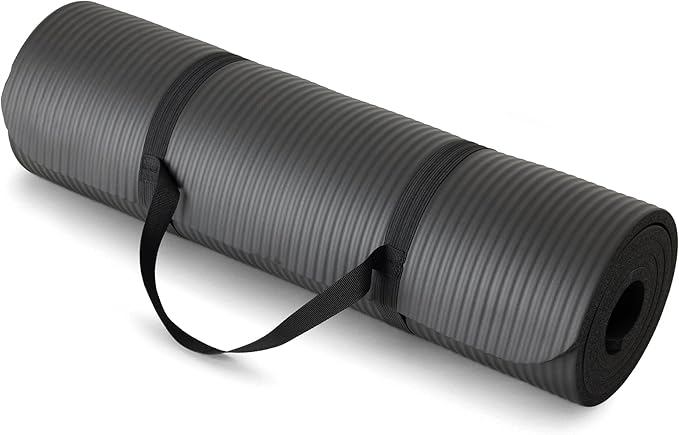
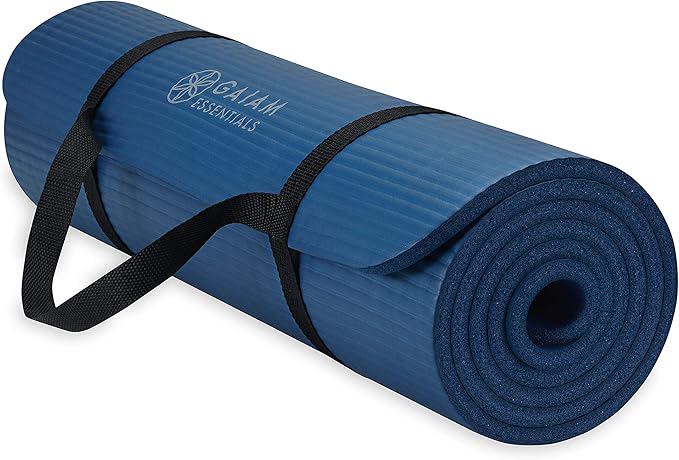
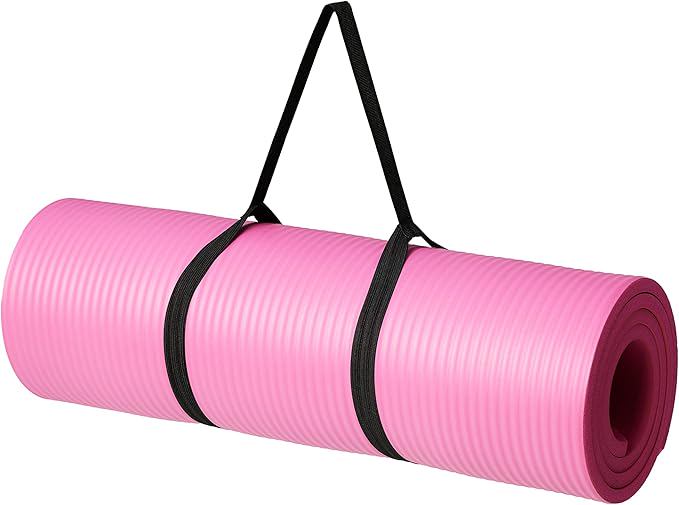
Quick fix: Use a wedge or a rolled-up yoga mat under the heel of your palm to reduce the angle. Actively press the knuckles down and spread your fingers wide to distribute weight evenly. If the ache persists, substitute weight-bearing poses with forearm planks for two weeks.
Wrist strain in beginners is almost always a form or loading issue, not a sign that you are weak. If any of these three symptoms sound familiar, step back, reduce the weight, and prioritize neutral wrist alignment. Listen to that clicking, radiating, or persistent ache—it is your body teaching you better mechanics before an injury forces a longer break.