
There’s a lot of noise in fitness about pushing harder. The voice that says “one more rep,” “don’t quit,” and “pain is weakness leaving the body” is practically a cultural default. And yes, discipline matters. But here’s the quieter truth that separates athletes who last from those who burn out: the skill of stopping is just as important as the drive to go.
Pushing through a bad day every now and then is one thing. But when you start feeling the three specific symptoms described below, loading on more effort isn't grit — it’s damage. The smarter move isn't another set or a morning run. It’s a rest day, a sleep-in, or a light recovery session. These signals are your body’s version of a blinking check-engine light. Ignoring them doesn't make you tough. It makes you stalled.
1. Your Sleep Quality Crumbles Despite Fatigue
You feel worn out, yet when your head hits the pillow, you lie awake. Or you fall asleep easily but wake up repeatedly, feeling wired or restless. This is a classic sign of training too hard without enough recovery. It often points to accumulated fatigue in the central nervous system — what many coaches call a sympathetic overload. Your system is stuck in a low-level fight-or-flight state, making deep, restorative sleep impossible.
This isn’t normal post-workout tiredness. It’s a stress imbalance. When your workout load outpaces your recovery capacity, your cortisol rhythm can flatten. Instead of dropping low at night to let you sleep, cortisol stays elevated. The result: you feel exhausted but can’t sleep soundly. The solution here isn’t a harder workout. It’s strategic rest — maybe a few days off or a week of active recovery like walking and gentle stretching. Many athletes report a sleep rebound after simply taking a break for 48 to 72 hours.
2. You’re Getting Sick More Often or Healing Slowly
A single hard workout temporarily suppresses the immune system, which is normal. But if you find yourself catching every cold that goes around, or if minor scrapes and muscle soreness linger for days longer than expected, you may be overtraining. Your body is diverting resources toward recovery from exercise stress, leaving less capacity for immune surveillance and tissue repair.
Frequent illness is one of the most reliable objective markers of under-recovery. If you can’t shake a sniffle or your usual muscle soreness lasts 4-5 days instead of 1-2, your body is waving a white flag.
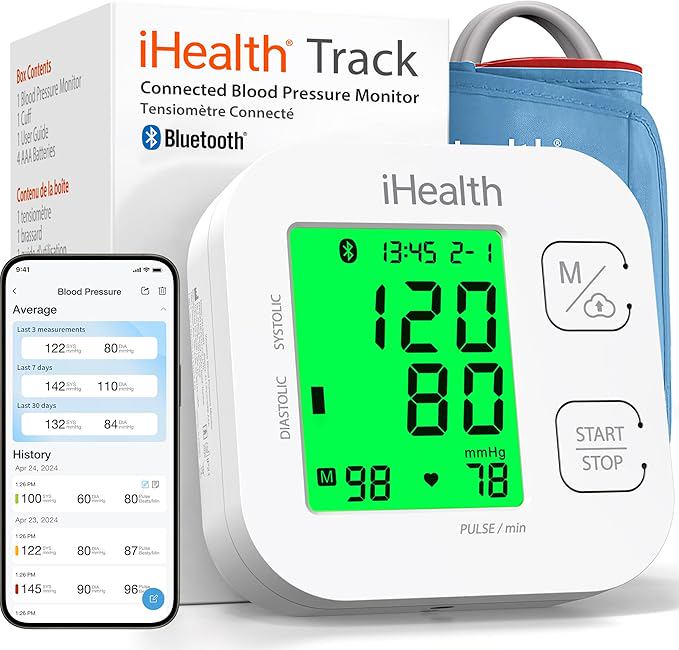
This symptom often shows up alongside a higher resting heart rate in the morning. If you check your pulse, and it’s 5–10 beats above normal for several days in a row, that’s another clue. The fix is not more vitamins or a different pre-workout. It’s lowering total training volume and prioritizing sleep, hydration, and easy movement until your immune function returns to baseline.
3. Your Motivation Drops and Performance Plateaus or Slides
This is the sneakiest symptom. You still make it to the gym, but your mind isn’t in it. Lifts that felt manageable last week now feel crushing. Your running pace slows for no obvious reason. Or you just don’t care about your workout log the way you used to. Mental fatigue often precedes physical breakdown. When your central nervous system is fried, your brain down-regulates motivation to protect you from further strain.
Many people misinterpret this as a discipline problem and push harder — which makes the problem worse. The real response when performance drops for two or more sessions in a row, without a clear change in sleep or nutrition, is to dial back volume by 30 to 50 percent for a week. This isn't de-training. It's allowing your nervous system to recharge. After a few days of lighter work, motivation and performance often bounce back noticeably.
How to Respond to These Signals
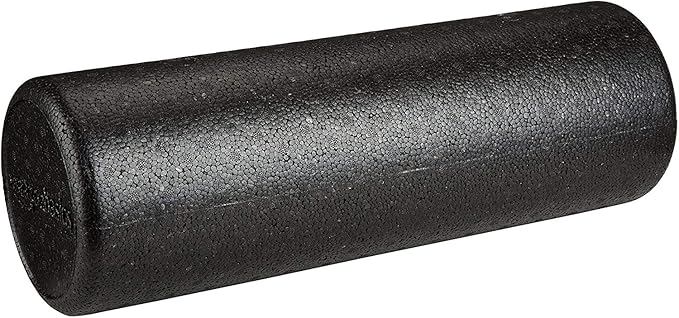
If you recognize one or more of these symptoms, the best action is counterintuitive: take a break. This doesn’t mean total inactivity unless you feel truly run down. A recovery day can mean a walk outdoors, foam rolling, gentle yoga, or just sleeping an extra hour. The goal is to lower overall stress load — both from exercise and from daily life — to let your body’s adaptive machinery catch up.
It can help to schedule deload weeks every four to six weeks of consistent training. During a deload, you reduce total volume or intensity by roughly 40 to 60 percent while keeping the movements familiar. Many athletes also benefit from a full rest week every two to three months. These aren't signs of weakness; they are signs of intelligent programming.
For readers who prefer a more structured approach, consider keeping a simple log of your morning resting heart rate, sleep quality (on a 1–10 scale), and subjective readiness to train. If you notice your readiness score low for two days in a row, take the next day completely off. That single habit can prevent many of the deeper chronic issues associated with under-recovery.
Bottom line: The three symptoms we covered — poor sleep despite exhaustion, rising illness or slow healing, and a slump in motivation with plateaued performance — are your body’s clear messages. Respecting them isn't quitting. It’s the practice of real, sustained health. Grit gets you started. Recovery keeps you going.