Plant-based eating has never been more popular. Whether you’re new to the lifestyle or a seasoned vegan, you probably pay attention to getting enough vegetables, fiber, and healthy fats. But there’s one nutrient that can quietly slip through the cracks: protein. Unlike the immediate, obvious signs of a micronutrient deficiency—like bleeding gums from low vitamin C—low protein intake tends to be subtler. You might feel off without knowing why. These three gentle but telling signals can help you recognize when your plant-based diet might be falling short.
1. You’re Always Hungry (Even After Meals)
Protein plays a major role in satiety. It slows digestion and signals the release of hormones that tell your brain you’re full. When your meals lean heavily on grains, fruits, and vegetables without enough protein-rich foods, you may find yourself reaching for snacks an hour after a solid meal. This isn’t about willpower—it’s physiology. A lunch of plain rice and steamed broccoli, for example, is mostly carbohydrates and fiber, offering very little protein. If you feel hungry soon after eating, especially after meals you thought were satisfying, take stock of the protein sources on your plate.
2. Your Hair and Nails Feel Different
Hair thinning, brittle nails, and skin that heals slowly are some of the most visible (and frustrating) clues that protein intake may be low. Your body prioritizes protein for vital organs and functions first. Hair and nail growth are considered non-essential; they’re the first to be sacrificed when protein supplies run short. You don’t need to panic over a few loose strands, but if you notice your ponytail getting thinner or your nails chipping more than usual over several weeks, it’s worth looking at your daily protein pattern.
3. You Feel Tired or Groggy During the Day
Protein helps stabilize blood sugar. Without it, carbohydrates are digested faster, causing blood glucose to spike and then crash. That afternoon slump you blame on not sleeping well could actually be related to what you ate at lunch. Furthermore, protein provides the building blocks for enzymes and neurotransmitters that regulate energy and mood. If you consistently feel low-energy, foggy, or irritable between meals—even after eating enough calories—low protein might be the hidden factor.
Who Is Most at Risk?
Not every plant-based eater needs to worry. People who eat a wide variety of legumes, tofu, tempeh, seitan, nuts, seeds, and whole grains usually get enough protein naturally. But the risk increases if you’re new to plant-based eating and still figuring out meal balance, if you’re an athlete with higher protein needs, or if your diet relies heavily on fruits, salads, and refined grains without a thoughtful protein source at each meal.
What to Do Next
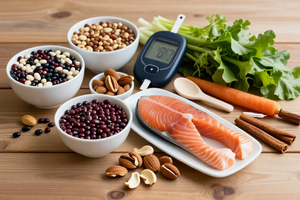
If any of these signs resonate, there’s no need to drastically overhaul your eating overnight. Small, sustainable shifts can help. Try adding a serving of lentils or chickpeas to your lunch, choosing a tofu scramble instead of plain oatmeal, or snacking on pumpkin seeds and almonds. Keep in mind that most plant foods contain some protein; it’s about honestly assessing whether each main meal includes a substantial source. This is general wellness information—everyone’s needs vary, and personalized advice should come from a healthcare professional.
Remember: Feeling hungry, tired, or noticing changes in hair and nails are not specific to low protein. They can signal other health issues. Use these signs as a gentle invitation to look at your diet as a whole, not a diagnosis.
If you’re concerned, a registered dietitian can help evaluate your intake and create a plan that matches your lifestyle. For most people, simple adjustments can make a meaningful difference.