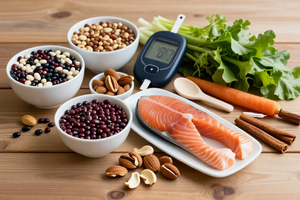

We often associate high blood sugar with obvious cues—intense thirst, frequent urination. But did you know that glucose imbalances can show up in much quieter ways? Before a blood test reveals a problem, your body may send out gentler signals that are easy to miss or attribute to other causes.
For millions of adults, blood sugar levels creep up gradually, especially in the early stages of insulin resistance or prediabetes. The classic warning signs aren't always present. Instead, the body releases subtle hints that deserve attention. Here are three surprising indicators that your blood sugar may be higher than it should be.
1. Your vision seems blurry or fluctuating
One of the lesser-known effects of elevated blood sugar involves the lens of your eye. When glucose levels rise, fluid can shift into the lens, causing it to swell. This changes its shape and flexibility, which directly affects how clearly you see.
Unlike permanent vision changes related to eye health, blood sugar–related blurriness tends to come and go. You might notice that your vision sharpens after a meal or fades later in the day. Some people describe it as difficulty focusing while reading or an intermittent fuzziness that feels like looking through water.
Why this happens
The lens doesn't have its own blood supply—it relies on the aqueous humor (the fluid at the front of the eye) for nutrients. When that fluid contains excess glucose, it alters the lens's refractive properties. The result is temporary near- or farsightedness that mirrors what you'd expect from a camera lens swelling slightly out of shape.
If your glasses prescription seems to change frequently or you notice daytime shifts in vision, it's worth discussing with a healthcare provider rather than assuming you need new lenses.
2. You feel unusually tired after eating
Everyone feels a little drowsy after a large meal now and then. But when high blood sugar is involved, post-meal fatigue becomes more pronounced and predictable. This isn't just the familiar "food coma"—it's a deeper, longer-lasting exhaustion that can interfere with your afternoon productivity.
Here's what happens: after a carbohydrate-heavy meal, blood sugar rises. In response, the pancreas releases insulin to shuttle glucose into cells for energy. In people with insulin resistance, cells don't respond efficiently, so the pancreas works harder and releases even more insulin. The combination of high glucose and high insulin can leave you feeling drained, foggy, and sluggish for hours.
The difference between normal fatigue and high blood sugar fatigue
- Normal tiredness: resolves after 20–30 minutes of rest or a short walk
- High blood sugar fatigue: persists for hours, often accompanied by brain fog or irritability
- Pattern: occurs consistently after meals that contain refined carbohydrates or added sugars
If you find yourself needing a nap almost every day after lunch, or if your energy crashes hard and stays low until dinner, elevated blood sugar could be the hidden cause.
3. Your skin feels dry or itchy in specific areas
Skin health is a mirror of internal balance. Chronically high blood sugar can dehydrate your skin and impair circulation, leading to persistent dryness and itching. But this isn't the same as seasonal dry skin or eczema—it tends to localize in specific places, especially the lower legs, elbows, and feet.
The dryness stems from two mechanisms. First, high blood glucose pulls fluid from your cells into your bloodstream to help dilute the sugar, leaving skin cells dehydrated. Second, elevated glucose can damage small blood vessels over time, reducing the flow of oxygen and nutrients to your skin. The result is skin that feels tight, rough, and persistently itchy without a visible rash or irritation.
Other skin-related clues
Some people also notice darker, velvety patches in skin folds—the neck, armpits, or groin. This condition, called acanthosis nigricans, is a strong physical sign of insulin resistance. While it isn't painful, it's one of the most direct visual cues that your body is struggling with blood sugar control.
These three signs—blurry vision, post-meal fatigue, and localized dry, itchy skin—are easy to dismiss as normal parts of aging or daily stress. But when they appear together or persist, they offer a window into how your body is handling glucose. Paying attention to them early can give you a chance to make meaningful changes before blood sugar reaches a concerning level.
If any of these symptoms sound familiar, the next logical step is to talk with a doctor about getting a fasting blood glucose test or an A1C measurement. In the meantime, small adjustments—like swapping refined carbs for whole grains, adding protein to meals, and staying hydrated—can help stabilize your levels naturally.