
You finish lunch feeling satisfied, maybe even energized. But an hour or two later, a wave of fatigue hits, your focus scatters, and you’re suddenly craving something sweet. Sound familiar? This common afternoon slump is often more than just a normal dip in energy—it can be a sign your blood sugar is crashing after your meal.
Understanding these signals is your first step toward steadier energy and better focus throughout the day. It’s not about strict diets or deprivation, but about learning how your body responds to what you eat. Let’s explore the three most common signs that your lunch might be setting you up for a crash.
What does a blood sugar crash feel like?
Medically known as reactive hypoglycemia, a blood sugar crash occurs when your glucose levels spike after a meal and then drop rapidly below your baseline. This rollercoaster is often triggered by meals high in refined carbohydrates and sugars without enough protein, fat, or fiber to slow the absorption. Your body releases a surge of insulin to manage the incoming sugar, but sometimes it overcorrects, leading to that sudden low.
Recognizing the pattern is key. The symptoms aren’t random; they’re your body’s direct response to falling fuel levels.
1. The mid-afternoon energy crash and brain fog
This is the hallmark sign. Around 1 to 3 hours after eating, you feel a profound sense of fatigue that makes even simple tasks feel difficult. Mentally, you may experience “brain fog”—trouble concentrating, forgetfulness, or a lack of mental clarity.
If you’re routinely reaching for a 3 p.m. coffee or candy bar just to function, your lunch is likely the culprit.
This happens because your brain is highly dependent on a steady supply of glucose. When levels plummet, your cognitive function is one of the first things to suffer.
2. Intense cravings, especially for sweets or carbs
When blood sugar drops, your body sends out emergency signals to get more fuel, fast. This often manifests as a powerful, specific craving for quick-energy foods like pastries, chips, chocolate, or sugary drinks.
It’s not a gentle hunger pang. It feels urgent and distracting, a physiological plea to raise glucose levels immediately. Giving in to these cravings with more refined carbs, however, simply restarts the spike-and-crash cycle, setting you up for another dip later.
3. Physical symptoms: shakiness, irritability, or anxiety
The reaction isn’t just mental. You might feel physically shaky, jittery, or weak. Some people notice their hands trembling slightly. Mood is also closely tied to blood sugar; a rapid drop can trigger feelings of irritability, sudden anxiety, or nervousness without an obvious cause.
These symptoms are driven by the release of stress hormones like adrenaline and cortisol, which your body deploys in an attempt to raise your blood sugar levels back up.
How to build a lunch that supports steady energy
Preventing these crashes centers on balance. The goal is to slow the digestion and absorption of carbohydrates to create a gentle, sustained release of energy.
Focus on the balance of nutrients
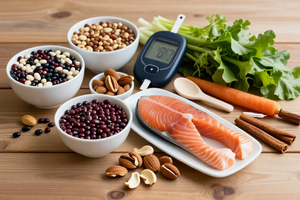
Think of your plate in three parts:
- Fiber: Found in vegetables, legumes, and whole grains like quinoa or brown rice. Fiber slows everything down.
- Protein: Include sources like chicken, fish, tofu, beans, lentils, or eggs.
- Healthy Fats: Add avocado, nuts, seeds, or olive oil.
A simple example is swapping a plain white bread sandwich for one on whole-grain bread, adding more turkey or chickpeas, and including a side of vegetables with hummus.
Be mindful of common crash triggers
Lunches that are predominantly refined carbs—like a large bagel, a plate of pasta alone, or a sweetened yogurt parfait—are most likely to cause a rapid spike and subsequent crash. Sugary drinks, including many smoothies and sodas, deliver glucose almost instantly.
This doesn’t mean you can never have these foods. The key is combining them. Have that pasta with a robust meat or lentil sauce and a side salad. Pair a piece of fruit with a handful of almonds.
The most effective change is often adding, not subtracting: add protein, add fiber, add healthy fat.
Listening to your body’s signals after you eat is a powerful tool. Those feelings of fog, fatigue, and craving are valuable feedback. By tuning in and adjusting the balance on your plate, you can trade the afternoon rollercoaster for calm, sustained energy that carries you through your day.