
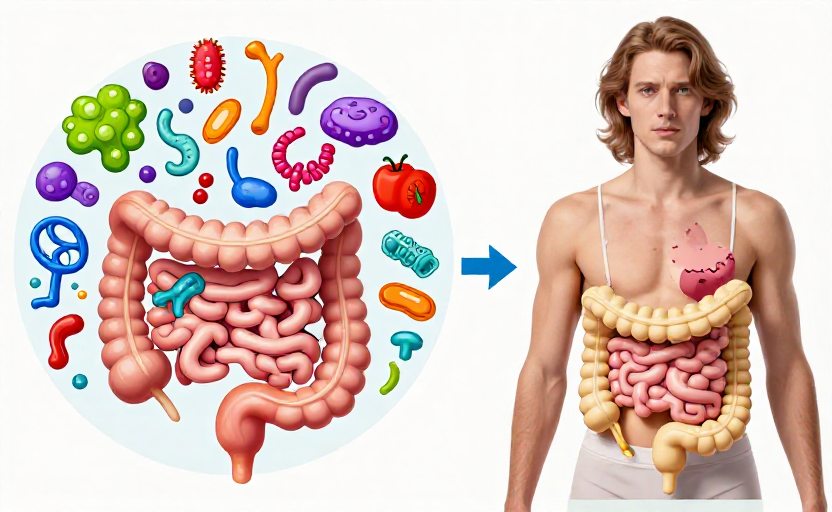
Your gut microbiome is a bustling community of trillions of bacteria, viruses, and fungi living in your digestive tract. When this community is diverse and thriving, it supports everything from digestion and nutrient absorption to immune function and even mood. But like any complex ecosystem, it can become disrupted. The signs aren't always dramatic; sometimes, they're subtle shifts in how you feel day-to-day.
Recognizing these early signals is the first step toward supporting your inner ecosystem. Here are three common signs that your gut microbiome may be out of balance.
1. Persistent Digestive Discomfort
Occasional bloating or gas is normal, but when digestive discomfort becomes a frequent, unwelcome guest, it's often a direct signal from your gut. An imbalanced microbiome, sometimes called dysbiosis, can struggle to process food efficiently, leading to a buildup of gas and inflammation.
Look for patterns beyond a single heavy meal. Consistent symptoms like these can be telling:
- Bloating that feels persistent or occurs regularly after eating.
- Excessive gas or changes in bowel habits, swinging between constipation and diarrhea.
- Abdominal cramping or a general feeling of unease in your gut.
Think of your gut bacteria as a skilled workforce. When key teams are understaffed, the work of digestion gets messy and incomplete.
This discomfort is often the result of certain bacterial strains overgrowing while others diminish, disrupting the delicate harmony needed for smooth digestion.
2. Unusual Food Cravings, Especially for Sugar
Your cravings might not be a simple lack of willpower—they could be a microbial request. The bacteria in your gut communicate with your brain via the gut-brain axis, and some strains thrive on specific nutrients. Sugar-loving bacteria, for instance, can send signals that promote cravings for sweets and refined carbohydrates to fuel their own growth.
If you find yourself locked in a cycle of intense sugar cravings that feel hard to break, it might reflect an overpopulation of these particular microbes. Feeding them only reinforces their dominance, making it tougher for a more diverse, beneficial community to regain footing.
3. Feeling Run-Down: Fatigue, Low Mood, and Brain Fog
The connection between your gut and your energy levels is profound. A significant portion of your body's serotonin, a neurotransmitter crucial for mood and sleep, is produced in the gut. When your microbiome is off-kilter, it can affect this production and contribute to systemic inflammation, which is often linked to fatigue.
This might show up as:
- A lingering sense of tiredness that sleep doesn't fully resolve.
- Feelings of low mood or increased anxiety.
- Difficulty concentrating or periods of "brain fog."
It's a reminder that gut health isn't just about digestion; it's foundational to your overall sense of vitality.
What Can You Do to Support Your Gut?
If these signs feel familiar, the goal isn't a quick fix but a gradual nurturing of your microbial garden. Small, consistent dietary shifts are the most powerful tools.
Focus on Fiber Diversity
Different beneficial bacteria feast on different types of fiber. Aim for a variety of plant-based foods—vegetables, fruits, legumes, nuts, and whole grains. Each type adds a different fiber source, which helps cultivate a more diverse microbiome.
Include Fermented Foods
Incorporating traditionally fermented foods introduces live, beneficial cultures. Think of them as adding skilled new residents to your gut community. Options like yogurt, kefir, sauerkraut, kimchi, and kombucha can be good additions.
Listen to your body's response as you make changes. What works for one person's microbiome may differ for another. Gentle progression is key.
Consider Your Lifestyle Holistically
Chronic stress, poor sleep, and overuse of certain medications can also disrupt your gut bacteria. Managing stress through techniques like mindful breathing, prioritizing sleep, and discussing medication impacts with your doctor are all part of a supportive approach.
Noticing these signs is an opportunity to tune in. By paying attention and offering consistent support through diet and lifestyle, you create the conditions for a more resilient, balanced gut ecosystem to flourish.