
That afternoon slump hits hard—again. You're tempted by another cup of coffee, but a few hours later, your eyelids are heavy at your desk. While everyone blames a busy schedule, the real culprit could be what you are—or aren't—eating. According to nutrition experts, your body sends clear signals when it's not getting the right fuel. Here are three telling signs that your diet might lack the nutrients you need for steady energy, along with practical, expert-backed steps to turn things around.
Sign 1: You're Tired All Day, Even After a Full Night's Sleep
Waking up groggy is one thing—feeling drained no matter how many hours you log in bed is another. If you feel consistently exhausted, the issue may go beyond rest. A lack of key nutrients like iron, B vitamins, and magnesium can disrupt how your body produces energy at the cellular level.
Expert insight: Low iron is one of the most common nutritional deficiencies worldwide, and it directly reduces your blood's ability to carry oxygen. Without enough oxygen, your muscles and brain simply don't get the fuel they need to perform. B vitamins, especially B12 and folate, are essential for converting the food you eat into usable energy. Magnesium helps your body produce ATP, the molecule that stores energy in your cells.
You can address this by including iron-rich foods like lean red meat, spinach, and lentils in your meals. Pair them with vitamin C (think citrus or bell peppers) to boost absorption. For B vitamins, look to eggs, dairy, poultry, and fortified cereals. Magnesium is abundant in nuts, seeds, whole grains, and dark leafy greens.
Sign 2: Your Mood Feels Unpredictable or Flat
Irritability, low motivation, or a general feeling of being "off" can also point to dietary gaps. The brain depends on a steady supply of nutrients to regulate neurotransmitters—the chemical messengers that control mood. When these are missing, your emotional balance can suffer.
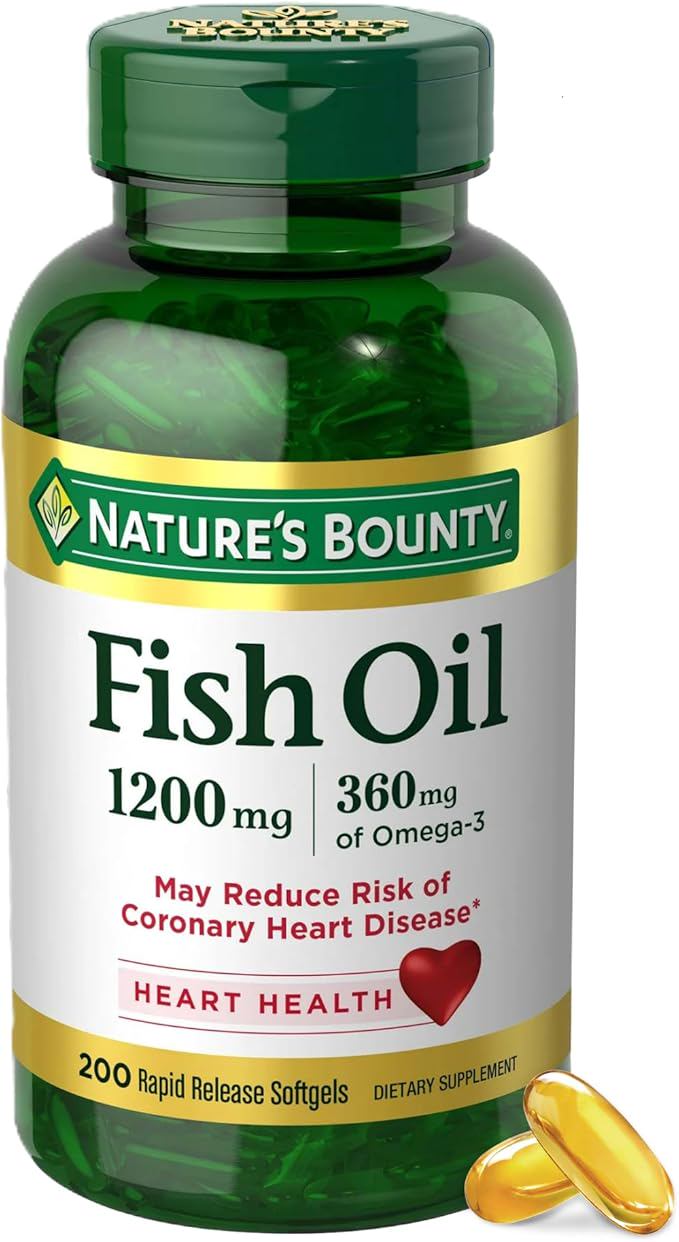
Omega-3 fatty acids, for example, play a crucial role in brain health. Low levels have been linked to a higher risk of mood struggles. Similarly, a lack of vitamin D can leave you feeling down. Interestingly, the gut also produces about 90 percent of your body's serotonin, the "feel-good" neurotransmitter. A diet low in fiber and fermented foods can disrupt gut health, reducing serotonin production and impacting your sense of well-being.
Try adding fatty fish (salmon, mackerel, sardines) to your menu a couple of times a week for omega-3s. Vitamin D can be harder to get from food alone—fatty fish, egg yolks, and fortified milk help, though a check with your doctor about supplementation may be worthwhile. For gut health, include yogurt, kefir, sauerkraut, and plenty of vegetables.
Sign 3: You Catch Every Cold That Goes Around
If your immune system seems sluggish, it may be a sign that you're running low on protective nutrients. Frequent illnesses force your body to use energy for fighting infection, leaving you even more depleted.
Vitamin C, zinc, and vitamin D are essential for a strong immune response. A deficiency in any of these can make you more vulnerable to infections. Protein is also critical: it provides the building blocks for antibodies and immune cells.
You can build immune resilience by eating a colorful variety of fruits and vegetables daily—berries, citrus, broccoli, and bell peppers are all rich in vitamin C. Oysters, red meat, and pumpkin seeds are excellent sources of zinc. As with mood, vitamin D is a frequent concern; aim for short periods of sun exposure and include dietary sources, but ask your healthcare provider about testing if you're concerned. And make sure each meal includes a serving of protein—whether from eggs, tofu, chicken, beans, or yogurt.
How to Pinpoint and Fix Your Nutrient Gaps
Rather than guessing, there are smart ways to identify what your diet is missing. Start by keeping a simple food diary for a week. Jot down everything you eat and drink. Then compare it against recommendations from trusted sources like the Dietary Guidelines for Americans. Are you getting at least five servings of fruits and vegetables each day? How about a source of lean protein at every meal? Do you eat fatty fish twice per week?
You can also ask your doctor about a basic blood panel. A simple test can reveal deficiencies in iron, ferritin, vitamin D, B12, and other key markers. From there, you and a registered dietitian can build a targeted plan. The goal is not to fix everything at once but to make small, sustainable changes. Swapping your afternoon cookie for a handful of almonds and an apple is one example. Adding a side of steamed spinach to your evening meal is another.
When Food Isn't Enough: Supplements as a Backup
While whole foods are always the best source of nutrients, there are times when a bit of extra support makes sense. If you follow a vegan or vegetarian diet, for example, you may need a B12 supplement. If you have a diagnosed deficiency, your doctor might recommend a therapeutic dose of iron or vitamin D.
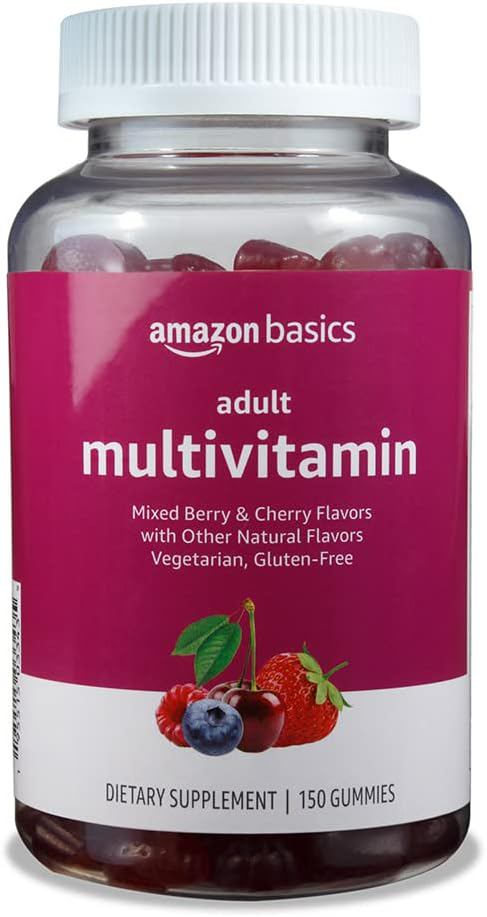
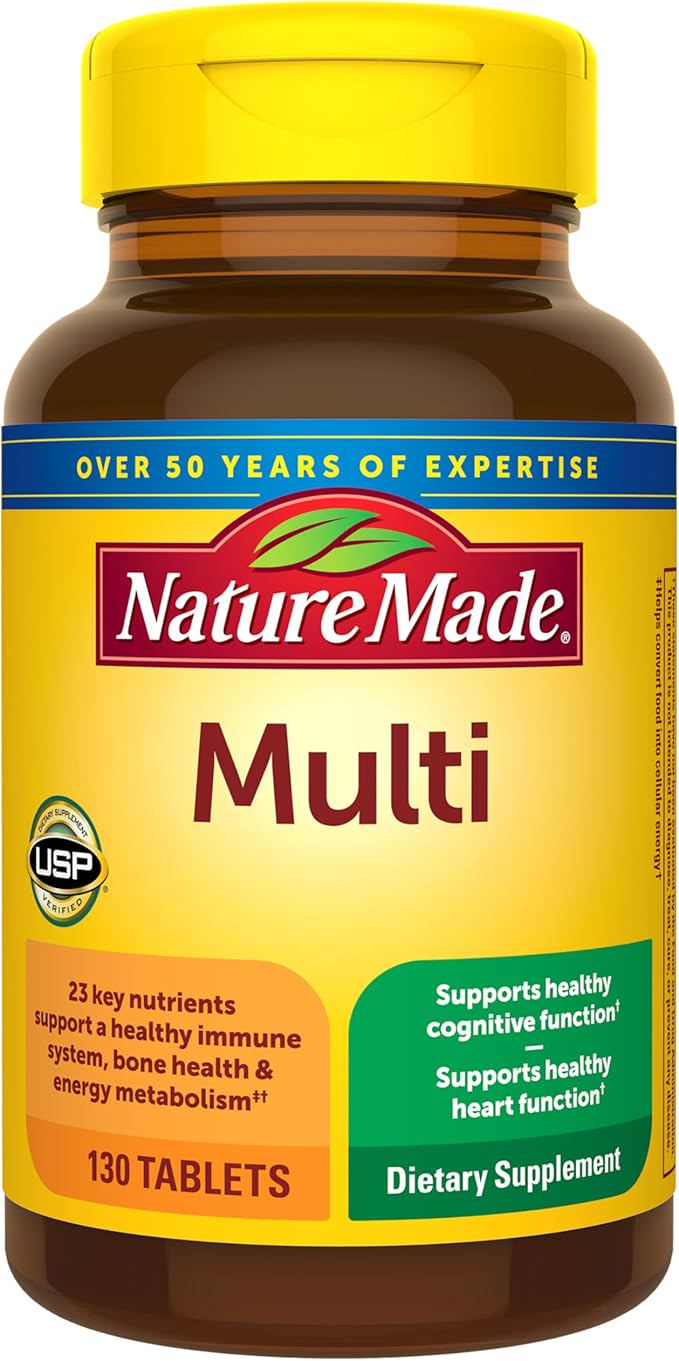
But remember: supplements are meant to supplement—not replace—a healthy diet. A multivitamin can sometimes help cover minor gaps, but it won't compensate for poor eating habits. Always speak with a healthcare professional before starting any new supplement regimen, especially at high doses.