Antioxidants often get described as nature's cleanup crew—they help your body neutralize unstable molecules called free radicals before they cause cellular wear and tear. When your antioxidant levels dip, that cleanup gets sluggish, and your body starts sending signals that something is off. Many people chalk these cues up to aging or everyday stress, but they can actually point to a genuine need for more antioxidant-rich foods.
Here are three common signs that your body may be running low on antioxidants—and the simple food swaps that can help you bring the balance back.
1. You feel run down more often than usual
Chronic tiredness that sleep doesn't fix is one of the quieter red flags. Free radicals can damage the mitochondria inside your cells—the tiny power plants that produce energy. When mitochondria struggle, your energy drops even if you're resting enough. If you find yourself yawning through the afternoon despite a full night's sleep, or if your usual morning walk leaves you wiped out, your antioxidant defenses may be depleted.
What to reach for at the table
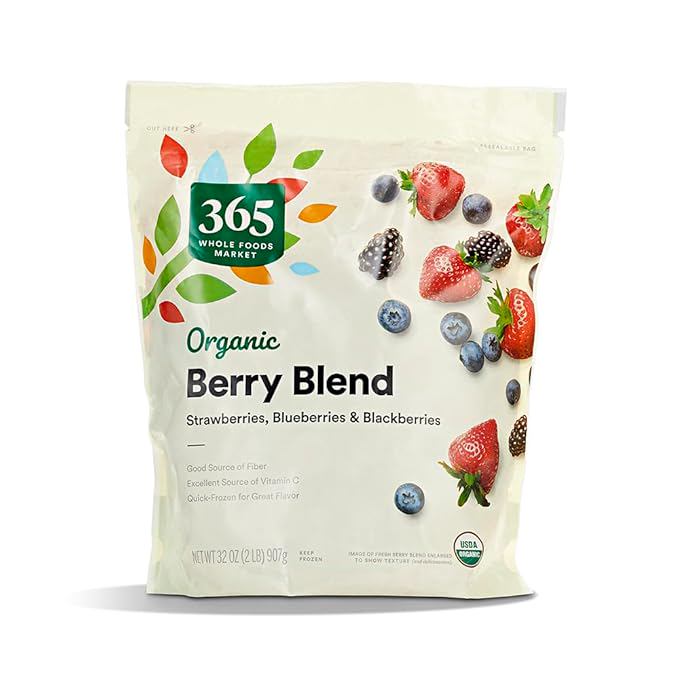
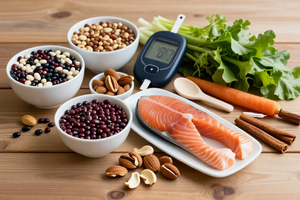
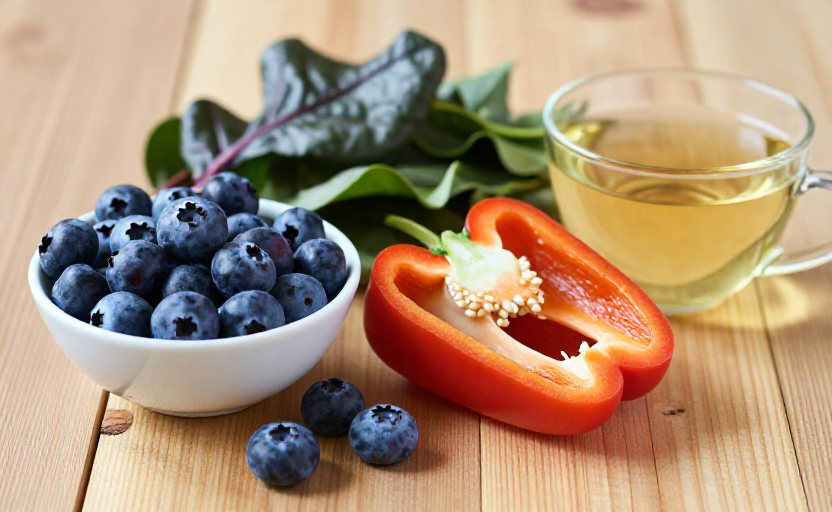
Colorful berries and leafy greens are straightforward allies. Blueberries, blackberries, and raspberries pack a concentrated dose of anthocyanins, a type of antioxidant that studies suggest helps protect cellular energy production. Spinach, kale, and Swiss chard bring lutein and zeaxanthin to the mix. Try tossing a handful of spinach into a smoothie or adding a half-cup of berries to your oatmeal. Even a simple switch—like snacking on a handful of berries instead of a granola bar—can make a difference over a few weeks.
2. Your skin looks dull, dry, or slower to heal
Your skin is your largest organ and one of the first places antioxidant shortages show up. When free radicals go unchecked, they can break down collagen and elastin fibers, leaving skin looking less plump and more prone to fine lines. You might also notice that minor cuts or scrapes take longer to close, or that your complexion looks uneven without any obvious cause.
Foods that help protect skin cells
Vitamin C is a standout antioxidant for collagen synthesis, and it's found abundantly in citrus fruits, bell peppers, kiwis, and broccoli. Vitamin E works alongside vitamin C to shield cell membranes; avocados, almonds, and sunflower seeds are reliable sources. Beta-carotene—found in sweet potatoes, carrots, and pumpkin—converts to vitamin A and supports skin cell turnover. A diet that includes a mix of these foods, rather than relying on supplements, tends to offer more predictable protection.
3. You catch every bug that goes around
If your immune system seems to let everything through—sniffles at the office turn into a cold for you, and you're the friend who's always battling seasonal coughs—your antioxidant status might be part of the picture. Antioxidants help immune cells function smoothly by protecting them from oxidative stress while they're actively fighting pathogens. Low levels can leave those cells less efficient, slowing the whole response.
Zinc-rich and polyphenol-packed staples
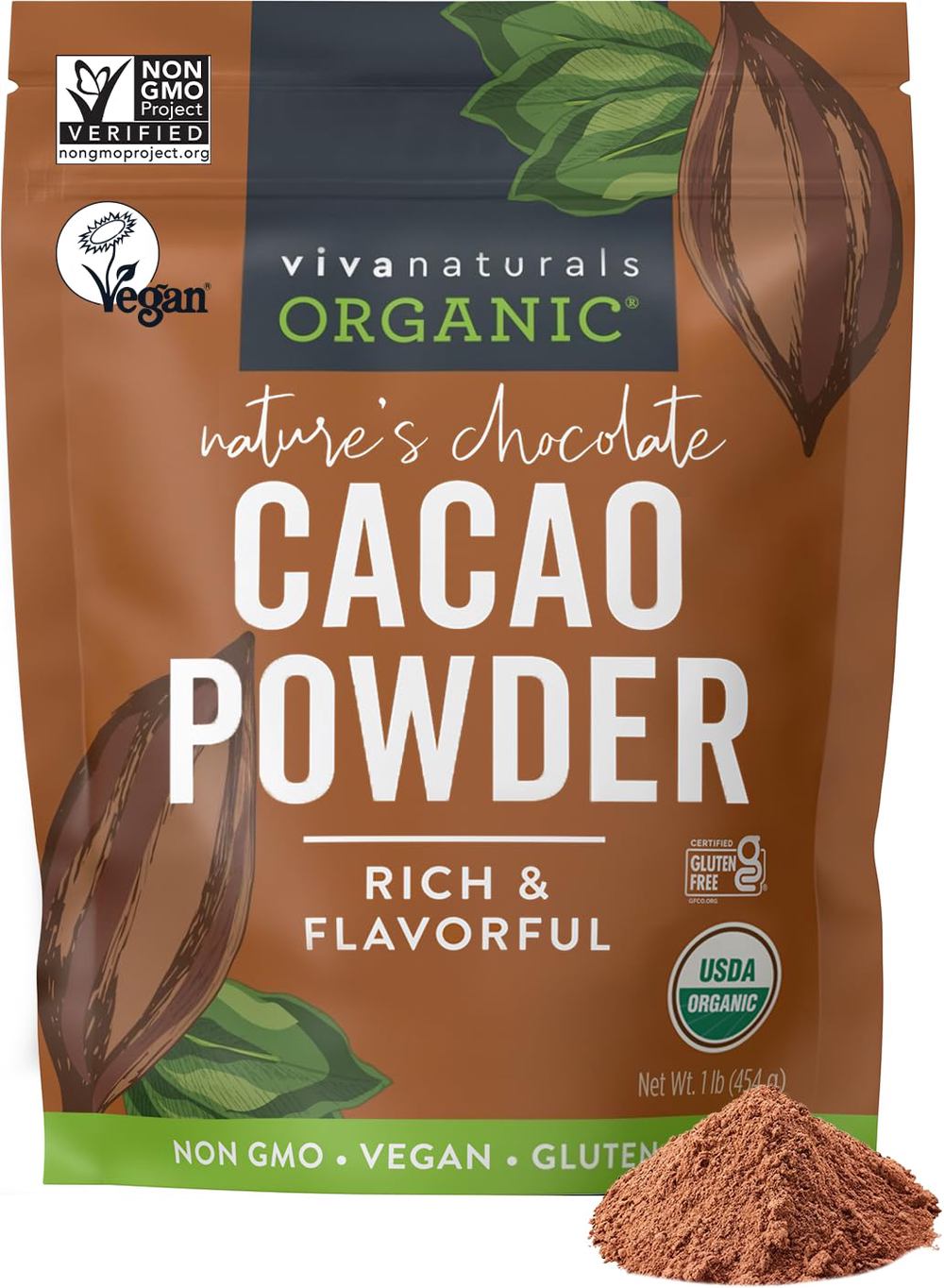
Zinc isn't an antioxidant in the classic sense, but it helps stabilize antioxidant enzymes in the body. Oysters, pumpkin seeds, chickpeas, and lentils are solid sources. Polyphenols from green tea, dark chocolate (at least 70% cocoa), and apples also support immune resilience. A small square of dark chocolate and a cup of unsweetened green tea can be both a gentle daily habit and a low-fuss way to reinforce your defenses.
Making antioxidant swaps without overhauling your whole diet
You don't need a dramatic detox or a supplement lineup to shift your antioxidant intake. Small, consistent changes often yield better results than short-term overhauls. Here are a few lower-effort adjustments:
- Trade your afternoon coffee for green tea every other day. Green tea contains catechins that studies associate with lower oxidative markers.
- Replace refined snacks with nuts and seeds. A handful of walnuts or sunflower seeds provides vitamin E, selenium, and healthy fats.
- Add one cup of colorful vegetables to your dinner plate. Roast a mix of bell peppers, broccoli, and sweet potatoes for a broad antioxidant spectrum.
- Include a fermented or probiotic element. Gut health influences how well your body processes and uses certain antioxidants from food.
These aren't rigid rules—just practical starting points that fit most eating patterns. The goal is to support your body's natural ability to handle oxidative stress, not to eliminate it entirely.
Do you need to worry about getting too many antioxidants?
More isn't automatically better. The body generally handles food-based antioxidants well, because it regulates absorption through digestion. Very high doses from supplements, however, can sometimes interfere with natural cellular signaling. A 2007 study published in the Journal of the American Medical Association even linked high-dose beta-carotene supplements with adverse outcomes in certain groups. The takeaway: stick with whole foods unless a healthcare provider advises otherwise. Food sources deliver antioxidants in a complex matrix that allows the body to manage intake more responsibly.
What to do if these signs sound familiar
If you resonate with two or more of these signals, consider a slow, steady shift in your eating habits rather than a crash course. Swap white rice for quinoa or barley on occasion. Layer spinach into your omelets or pasta sauces. Keep a bowl of berries and sliced bell pepper in the fridge for grab-and-go snacking. Within a few weeks, many people notice steadier energy and a more resilient complexion. As with any health concern, persistent fatigue, slow healing, or frequent illness warrant a conversation with a physician who can rule out other underlying conditions.