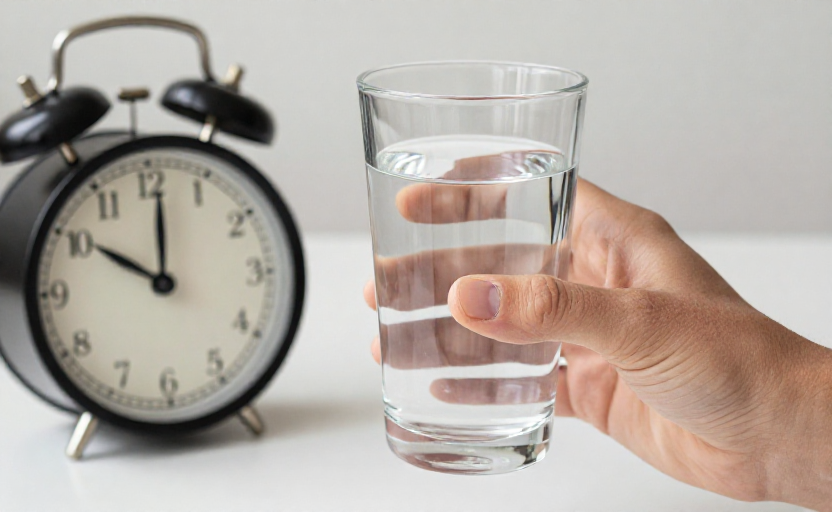
Thirst is often the first signal we associate with dehydration, but your body has other, quieter ways of telling you it needs more water. By the time your mouth feels dry, you may already be running low. Many adults walk through their day mildly dehydrated without realizing it, simply because they haven't felt a pang of thirst. Here are three less obvious signs that your intake could be falling short.
Your Urine is Darker Than Pale Yellow
One of the most reliable markers of hydration status is the color of your urine. When you are well-hydrated, your kidneys produce urine that is light, straw-colored, or nearly clear. If your urine is consistently dark yellow or amber, that is a clear signal your body is conserving water. This happens because the kidneys are reabsorbing more fluid to maintain blood volume and blood pressure. If you notice this color change, especially midday or in the afternoon, try drinking a glass of water and see if the next void is lighter. People sometimes mistake the deep color for something normal, but over time, chronic low-grade dehydration can put a strain on kidney function and contribute to urinary tract issues.
You Feel Tired or Have a Headache by Midday
Fatigue and headaches are among the most common yet overlooked signs of insufficient water intake. Even mild dehydration — as little as 1 to 2 percent loss of body weight in water — can affect energy levels, mood, and concentration. When you are dehydrated, blood volume drops slightly, and your heart has to work harder to pump oxygen and nutrients to your muscles and brain. This can leave you feeling foggy, irritable, or unusually tired. Many people reach for caffeine or a snack when what their body actually needs is water. If you find yourself experiencing afternoon slumps or tension headaches that do not have another clear cause, check your water intake first. Drinking a steady amount throughout the morning often prevents that dip.
Your Skin Loses Elasticity or Feels Dry
Your skin is your largest organ, and its appearance and texture can reflect your hydration status. A simple test is the skin turgor check: pinch the skin on the back of your hand or your lower abdomen for a couple of seconds, then release. In a well-hydrated person, the skin snaps back quickly. If it returns to its normal position slowly, that can indicate dehydration. Over the longer term, persistent low water intake can lead to dry, flaky, or less plump skin. While many factors like humidity, skincare products, and age affect skin health, adequate water helps maintain the skin's moisture barrier and supports the flow of nutrients to skin cells. If your skin feels dull or tight despite a solid skincare routine, you may simply need more water.
How to Stay on Track Without Obsessing
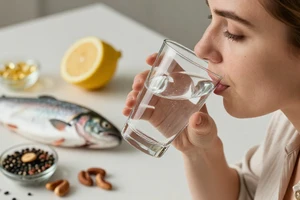
You do not need to carry a gallon jug or set a timer every hour. A few simple habits can keep your hydration steady throughout the day. Start your morning with a glass of water before coffee or tea. Keep a reusable bottle on your desk or in your bag and sip regularly — you will be surprised how much that adds up without effort. Eating water-rich foods like cucumbers, melons, oranges, and leafy greens also contributes significantly to your total intake. Herbal teas and sparkling water count, too. The key is consistency: your body absorbs water better when you drink small amounts throughout the day rather than large volumes all at once.
Listen to These Signals, Not Just Thirst
If you notice dark urine, midday fatigue or headaches, or changes in your skin's elasticity, try increasing your water intake for a few days and observe how you feel. These signs are often your body's first gentle nudge before thirst ever arrives. Staying hydrated supports your digestion, joints, circulation, and mental clarity — and it is one of the simplest things you can do for your overall health. For most people, eight 8-ounce glasses (about two liters) per day is a reasonable starting point, but individual needs vary based on activity level, climate, and body size. Let your body's signals, not just your thirst, guide you.