
You eat a balanced diet. You choose whole grains, lean proteins, and plenty of vegetables. Yet, sometimes your body sends signals that something is off. It can be confusing and frustrating. The truth is that even a health-focused diet can have hidden gaps. Certain daily habits, including how and when you drink popular beverages like green tea, can interfere with nutrient absorption. Here are three signs that you may be missing key nutrients despite eating well and what might be causing the shortfall.
1. You Feel Tired or Weak—Even After Rest
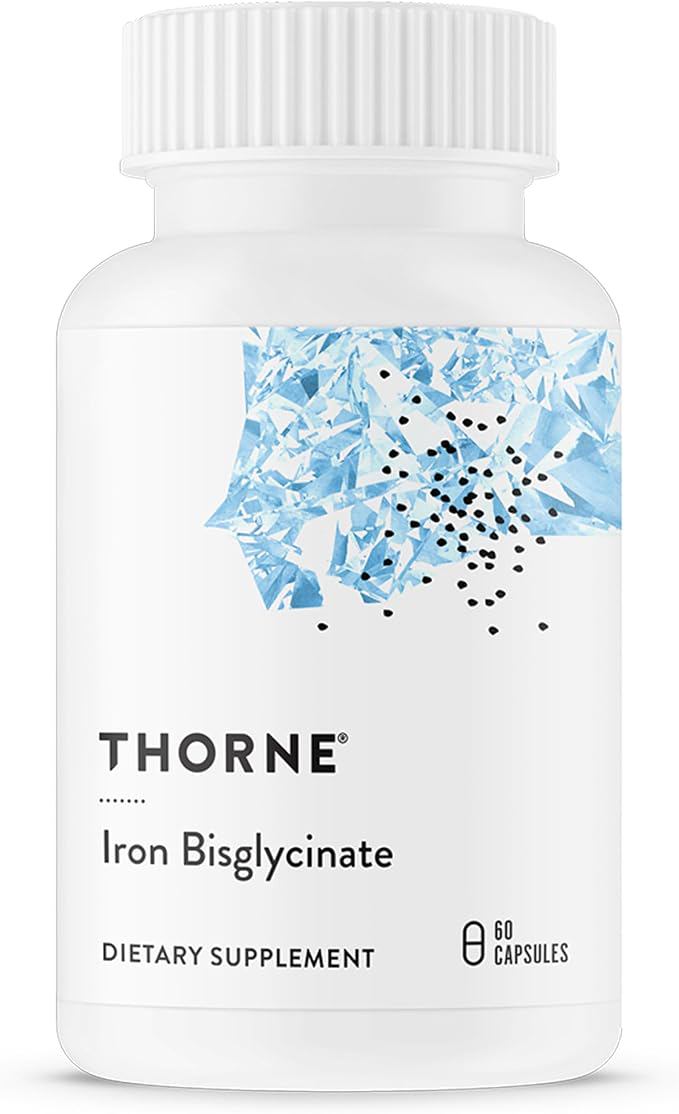
Persistent fatigue or muscle weakness is one of the most common signs of a nutrient gap. You might assume you need more sleep, but the issue could be low iron or vitamin B12 levels. These nutrients are essential for carrying oxygen to your cells and producing energy. Even if you eat foods rich in these nutrients, the timing of other beverages can interfere. Green tea, for example, is packed with antioxidants called tannins. When you drink it with or right after a meal, tannins can bind to non-heme iron (the type found in plant foods like spinach and lentils) and reduce its absorption. Over time, this can lead to iron deficiency, leaving you feeling drained.
2. Your Digestion Feels Off or You Experience Acid Issues
Digestive discomfort can be a clue that your body isn't processing food or nutrients as it should. If you experience heartburn, bloating, or an unsettled stomach after eating, consider what you are drinking around mealtime. Drinking green tea on an empty stomach, especially first thing in the morning, increases the production of gastric acid. This can irritate the stomach lining and interfere with the breakdown of food. Similarly, some people take medication with green tea. This can cause chemical reactions that lead to acidity and may reduce the effectiveness of the medicine, further impacting your nutritional status. A healthy gut is critical for absorbing vitamins and minerals, so any disruption can create a cascade of deficiencies.
3. Poor Sleep or Trouble Staying Asleep
Sleep quality is a major indicator of overall health and nutrient status. If you find it hard to fall asleep or stay asleep, the culprit may be a caffeine source you didn't suspect. While green tea is known for its calming compound L-theanine, it still contains caffeine. Consuming it too close to bedtime can disrupt the release of melatonin, the hormone that regulates your sleep-wake cycle. Poor sleep, in turn, affects how your body uses nutrients like magnesium and B vitamins. It becomes a vicious cycle. If you rely on green tea for its health benefits, be mindful of your timing. Avoid it in the late afternoon or evening to protect your sleep and ensure your body can repair and absorb nutrients effectively.
Small Changes for Better Nutrient Absorption
Missing key nutrients isn't always about what you eat. It's often about the details of your routine. Here are a few simple adjustments to maximize the benefits of your healthy diet:
- Watch your tea timing. Avoid drinking green tea on an empty stomach or immediately after a meal. A gap of at least one hour allows your body to absorb iron and other minerals from food without interference.
- Take medication with water only. Pills and green tea can interact, reducing effectiveness and increasing stomach acidity. Use plain water to take any oral medication.
- Limit total green tea intake. More does not mean better. Drinking more than three cups a day can lead to dehydration and flush out essential nutrients. Stick to one to three cups, spaced throughout the day.
- Pair iron-rich foods with vitamin C. If you are concerned about iron absorption, add a squeeze of lemon or some bell peppers to your meal. Vitamin C helps counteract the binding effect of tannins and boosts iron uptake.
Key insight: A diet that looks healthy on paper can still leave you short on nutrients if your daily habits—like what you drink and when—are working against you.
When to Listen to Your Body
Feeling tired, having digestive issues, or struggling with sleep are not just minor annoyances. They are your body's way of flagging a potential imbalance. Before overhauling your diet, take a close look at your beverage habits. Green tea is a wonderful, health-promoting drink, but like everything, it requires balance and thoughtful timing. If your symptoms persist, consider discussing them with a healthcare provider who can test for specific deficiencies and guide you toward a more complete, personalized eating plan. Remember, true wellness isn't just about the foods you add to your plate—it's also about how you support your body's ability to use them.