If you are training at a high frequency—think daily pull-ups, kettlebell swings, or heavy carries—your wrists often take the brunt of the load. That niggling ache around the carpal bones or the base of the thumb is a signal that your connective tissues are working overtime. While rest and proper form are non-negotiable, what you eat before you train can also play a supporting role in keeping your wrists pain-free.
Below are three pre-workout snacks that target inflammation, collagen repair, and blood flow to the small joints. They are not a substitute for medical advice, but they are a practical addition for anyone dealing with repetitive stress from high-frequency training.
1. A Smoothie with Tart Cherry and Ginger
Tart cherries are one of the best-researched foods for reducing exercise-induced inflammation. They contain anthocyanins that can lower markers of muscle and joint soreness after repeated bouts of training. Ginger adds another layer of anti-inflammatory backup, specifically targeting prostaglandins that contribute to pain perception in connective tissue.
- Why it helps the wrists: The small joints of the wrist are prone to synovitis (inflammation of the joint lining) when loaded frequently. A tart cherry and ginger smoothie consumed 30 to 45 minutes before training may help tamp down that inflammatory response before it escalates.
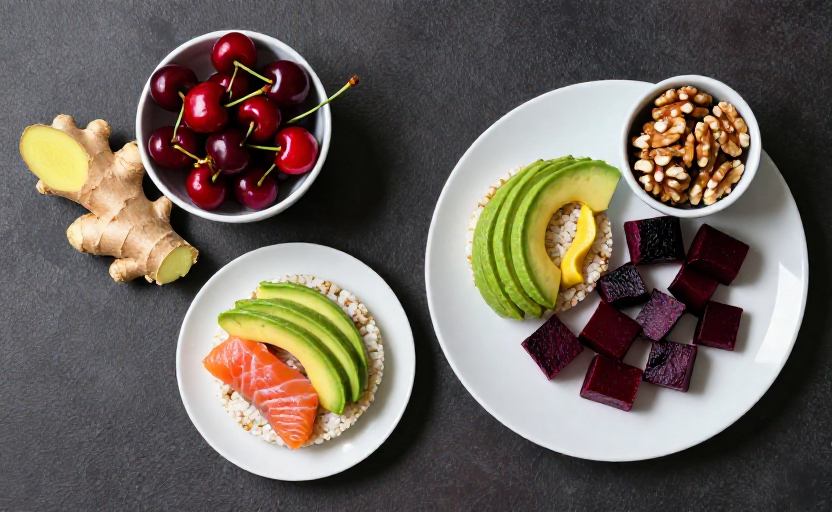
- How to make it: Blend 1 cup of frozen tart cherries with a half-inch knob of fresh ginger (peeled), 1 cup of unsweetened almond milk, and a tablespoon of chia seeds for fiber. Skip adding sugar—cherries are naturally sweet enough.
- Timing note: Because this snack is liquid, it digests quickly. Drink it about a half-hour before your session to avoid sloshing in your stomach during high-rep work.
A quick caveat: tart cherry juice can be high in natural sugars. Stick to the whole fruit or a no-added-sugar juice blend.
2. Collagen-Boosting Rice Cakes with Salmon and Avocado
Collagen is the structural protein in tendons, ligaments, and the cartilage that cushions your carpal bones. While you cannot directly control where collagen goes in the body, providing its building blocks before training supports repair in high-stress areas like the wrists.
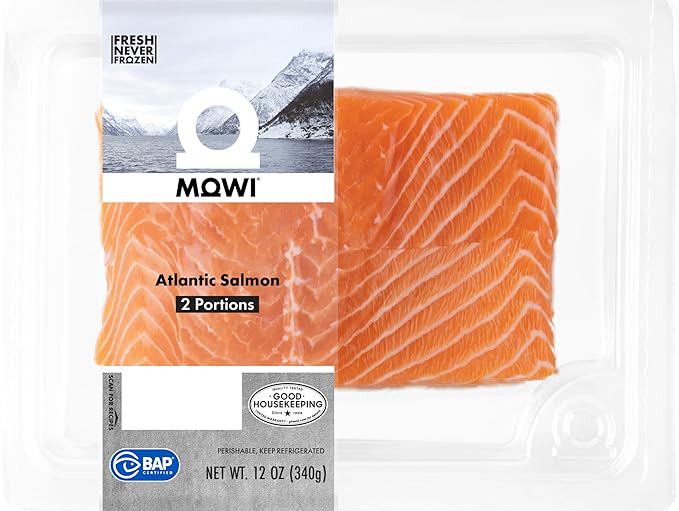
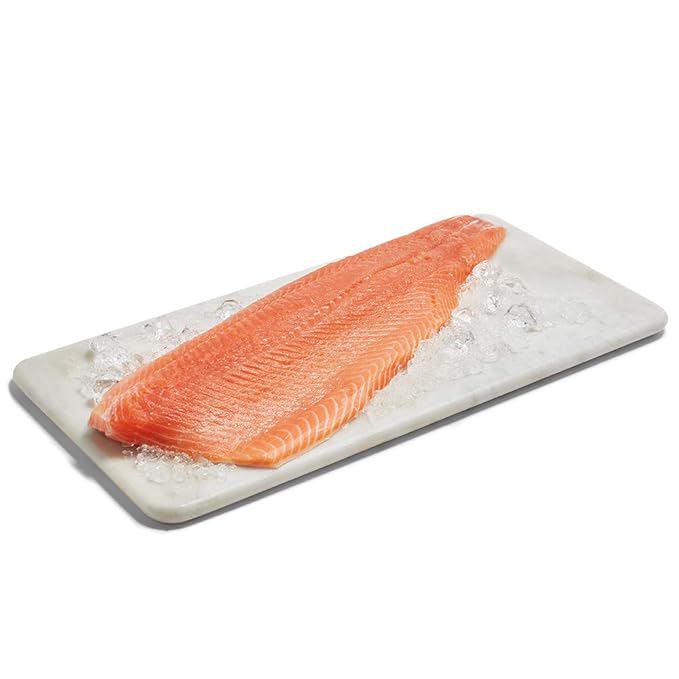
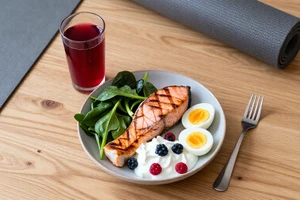
- The protein angle: Salmon is rich in glycine and proline—two amino acids essential for collagen synthesis. It also provides omega-3 fatty acids that reduce systemic inflammation. Avocado contributes vitamin C, which is a necessary cofactor for collagen cross-linking.
- The carb base: Two brown rice cakes give you a small carbohydrate lift for energy without weighing you down.
- Why this works pre-workout: This snack hits the sweet spot between protein, fat, and carb. Eat it about 60 minutes before training to allow for partial digestion. The amino acids from salmon will be circulating as you begin loading your wrists in a push-up or front rack position.
If you do not eat fish, a small handful of pumpkin seeds and a few strawberries on the same rice cake will provide a similar (though not identical) profile of collagen helpers.
3. A Small Serving of Beets with Walnuts
Beets are known for their nitrate content, which converts to nitric oxide in the body. Nitric oxide relaxes blood vessel walls, improving circulation to extremities—including the hands and wrists. Better blood flow means more oxygen and nutrients reach the stressed ligaments before you start your warm-up.
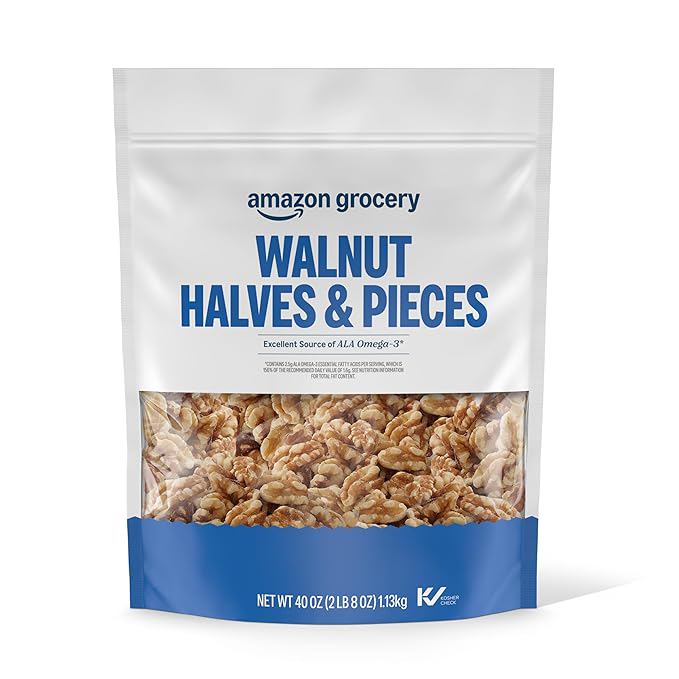
- The walnut factor: Walnuts add copper and manganese, two trace minerals that support connective tissue integrity. They also provide a small amount of healthy fat to moderate blood sugar response from the beets.
- Portion guidance: About a half cup of roasted beet cubes (or 4 ounces of plain beet juice) with a dozen walnut halves is enough. This is not a bulk snack—it is a targeted pre-training fuel.
- What to expect: Unlike a heavy meal, beets and walnuts digest with minimal gastrointestinal stress. The vasodilation effect may subtly improve wrist mobility and reduce stiffness during your first set of hangs or presses.
Putting It All Together
These three snacks are not magic bullets, but they address three common contributors to wrist soreness: inflammation, weak collagen repair, and poor circulation. Rotate them based on your training time and personal tolerance. If you notice consistent improvement after a particular snack, stick with that one.
Remember that nutrition works best alongside sound training practices. If your wrists are already in sharp pain, have a notable loss of mobility, or are swollen, see a healthcare professional before adjusting your diet. These foods are designed to support recovery, not treat an injury.
The information in this article is for educational purposes only and does not replace professional medical advice. Always consult a qualified healthcare provider before making significant changes to your diet or training routine.