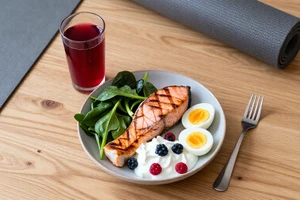

If you spend your days at a desk, you know the feeling: you stand up after a long stretch of typing, and your knees protest. That stiffness isn’t just about sitting—it’s about what your body is (and isn’t) running on before you move. The right pre-workout snack can change that experience. Instead of reaching for coffee or ignoring the stiffness, these three targeted options help prep your joints and muscles for movement.
The goal here isn’t a heavy meal. It’s a small, strategic snack eaten about 30 to 45 minutes before you exercise—whether that’s a lunchtime walk, a short mobility session, or a quick strength routine. Each choice supports circulation, reduces inflammation, or provides the fuel your knees need to bend and extend smoothly.
The Problem Desk Workers Face
Sitting for hours shortens the hip flexors and weakens the glutes. This imbalance pulls on the knee joint. When you finally move, the knee has to absorb extra stress. A pre-workout snack that supports blood flow and joint lubrication can help ease that transition. Think of it as giving your knees a heads-up: “We’re about to move. Here’s what you need.”
Snack 1: Tart Cherry and Ginger Smoothie
Tart cherries are one of the best-researched foods for reducing exercise-induced inflammation and muscle soreness. Ginger adds anti-inflammatory compounds and can improve circulation to stiff joints. Together, they make a snack that targets the root of desk-related knee stiffness.
How to make it work: Blend a half-cup of frozen tart cherries, a small knob of fresh ginger (about half an inch, peeled), a half-cup of unsweetened almond milk, and a tablespoon of chia seeds for omega-3s. Keep the portion small—around six to eight ounces. Drink it slowly about 30 minutes before you move.
Tip: If fresh ginger is too strong, start with a quarter-teaspoon of dried ginger powder instead.
Snack 2: Smoked Salmon and Avocado Bites
The combination of omega-3 fatty acids (from salmon), vitamin E and healthy monounsaturated fat (from avocado), and a small amount of protein helps reduce joint inflammation and supports the cartilage in your knees. This snack is especially helpful if your knee stiffness feels deep, as if it’s coming from inside the joint rather than just the muscles around it.
How to make it work: Take a small rice cake or a slice of cucumber, top it with a thin slice of smoked salmon, and add a quarter of an avocado, mashed. Sprinkle a pinch of black pepper over the top. This gives you about 100-120 calories—enough to fuel movement without weighing you down.
Snack 3: Kiwi and Walnut Bowl
Kiwis are high in vitamin C, which is essential for collagen production—the protein that keeps your tendons and ligaments resilient. Walnuts are rich in alpha-linolenic acid (ALA), a plant-based omega-3 that helps modulate inflammation. This snack is simple, requires no cooking, and works well for people who prefer a sweeter option before moving.
How to make it work: Peel and slice one kiwi. Add a small handful of walnuts (about six to eight halves) and a sprinkle of cinnamon. Eat it as a quick bowl or toss it into a small container for a grab-and-go option. It takes about two minutes to prepare.
Why Timing Matters for Knee Stiffness
Your body digests different nutrients at different rates. A snack eaten too close to movement can cause discomfort; a snack eaten an hour ahead of time may not provide immediate joint support. The 30- to 45-minute window works well for these three options because the ingredients are light, water-based, or fat-and-protein balanced without being heavy. This timing allows your blood vessels to dilate slightly, improves synovial fluid circulation in the knee, and gives your nervous system a gentle cue that movement is coming.
What to Avoid Eating Before You Move
Some foods make knee stiffness worse. Highly processed carbohydrates—like white bread, sugary pastries, or chips—can spike blood sugar and increase systemic inflammation. Caffeine in large amounts can tighten blood vessels temporarily, which may reduce blood flow to stiff joints. And heavy, high-fat meals take hours to digest, pulling blood flow away from your legs.
Keep it simple: if it comes in a brightly colored wrapper and has five grams of added sugar or more per serving, skip it before your workout.
Putting It Into Practice
You don’t need a complicated routine. Try one of these snacks for a week. Eat it 30 minutes before you stand up from your desk and do 10 minutes of knee-friendly movement—walking, leg swings, or shallow lunges. Pay attention to how your knees feel versus a day when you ate nothing or grabbed a granola bar. You’ll probably notice that the stiffness takes longer to show up, or doesn’t show up at all.
Over time, consistency matters more than perfection. A small, well-timed snack that supports your joints can make the shift from sedentary to active feel less like a shock and more like a natural transition.