When you’re just starting out with bodyweight exercises—think push-ups, squats, lunges, planks—you might feel the urge to grab a pre-workout drink for energy. It’s a common habit, but many of those brightly colored powders and canned formulas can actually work against you. Your body is still adapting to movement patterns, and the wrong ingredients can leave you jittery, bloated, or crashing halfway through your set.
Before you mix up a scoop or pop a tab, it helps to know which drinks tend to cause trouble for beginners. Below are three types of pre-workout drinks you’re better off avoiding when you’re just getting into bodyweight training—and what to reach for instead.
Why your pre-workout choice matters for bodyweight training
Bodyweight exercises rely on control, stability, and endurance—not explosive power or heavy lifting. A drink that’s too high in stimulants or sugars can throw off your focus and make it harder to hold a plank or maintain proper form during a squat. Beginners often underestimate how much the nervous system is working during bodyweight movements. When you flood your system with caffeine or artificial compounds, you may feel a temporary surge, but you’re also more likely to feel shaky or overstimulated, which can lead to poor technique and even injury.
The 3 pre-workout drinks to avoid
1. Ultra-high-caffeine stimulant formulas
Many pre-workout powders pack 200–400 mg of caffeine per serving, sometimes with additional stimulants like yohimbine or synephrine. For a beginner doing bodyweight work, this is often overkill. You don’t need that level of alertness to perform a set of lunges or push-ups, and the side effects—anxiety, rapid heart rate, jitters—can actually make controlled movement harder. If you’re used to a morning coffee, you know your tolerance. But these formulas are designed for heavy resistance training or high-intensity interval work, not for learning how to brace your core during a bird-dog.
2. Carbonated energy drinks
Canned energy drinks like Monster, Red Bull, or Bang might seem convenient, but they come with two problems for bodyweight beginners. First, the carbonation can cause bloating and gas, which makes it uncomfortable to perform moves that require a tight core—like planks, crunches, or hollow holds. Second, many of these drinks contain taurine, B-vitamins, and sugar or artificial sweeteners that can lead to a quick spike in energy followed by a crash. A crash during the middle of a workout can derail your motivation and leave you feeling sluggish for the rest of the day.
3. “Energy” drinks with added creatine or beta-alanine
Some pre-workout blends include creatine or beta-alanine, which are popular for strength and power athletes. Beta-alanine often causes a tingling or “pins and needles” sensation on the skin (paresthesia). While harmless, this sensation can be distracting when you’re trying to focus on form. Creatine is fine as a supplement overall, but it’s not useful as an immediate pre-workout—it works over time by saturating muscle stores. Starting it in a drink right before bodyweight training won’t give you a performance boost and may add unnecessary calories or fullness to your stomach. For a beginner, simple hydration is more valuable than these extra compounds.
What to drink instead for bodyweight workouts
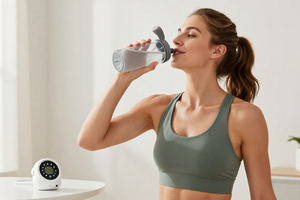
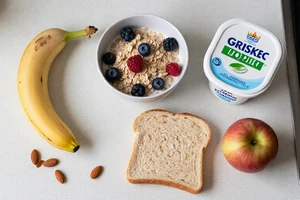
The best pre-workout drink for most beginners doing bodyweight exercises is plain water. If you want a little something extra, try black coffee or green tea—both provide a moderate, manageable dose of caffeine without the added stimulants or carbonation. Another option is a glass of water with a pinch of salt and a squeeze of lemon. This gives you electrolytes and a hint of flavor without artificial ingredients. Aim to drink about 16-20 ounces of water an hour before your workout. If you’re exercising early in the morning or feel you need fuel, a small banana or a handful of almonds can provide steady energy better than any powder.
A quick tip: If you feel lightheaded or overly jittery after a pre-workout drink, it’s a signal that your body is reacting to something it doesn’t need. Trust that feeling and simplify.
Starting bodyweight training is about building habits and learning to listen to your body. By skipping the wrong drinks, you make it easier to stay focused, maintain good form, and actually enjoy the process. Over time, you can experiment with other options, but for now, keep it simple—your body will thank you.