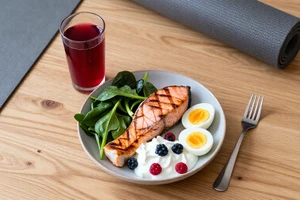
After a tough workout, your muscles are primed for repair. The right post-exercise meal can make the difference between waking up sore and stiff versus waking up ready to move again. While timing matters, what you eat matters more. Here are three evidence-backed foods that support muscle recovery, reduce soreness, and replenish energy stores.
Why Post-Workout Nutrition Matters
Exercise, especially resistance training or high-intensity intervals, creates tiny tears in muscle fibers. Your body repairs these tears using protein and other nutrients, making the muscle stronger over time. This recovery process requires fuel—namely protein to rebuild tissue and carbohydrates to restore glycogen stores. Without proper nutrition after exercise, recovery slows, fatigue lingers, and your next workout may suffer.
1. Lean Protein: The Building Block of Repair
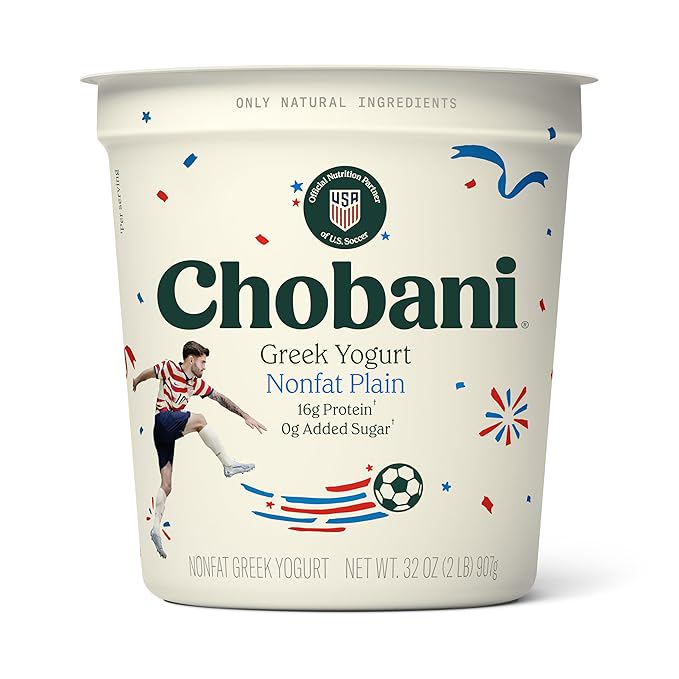
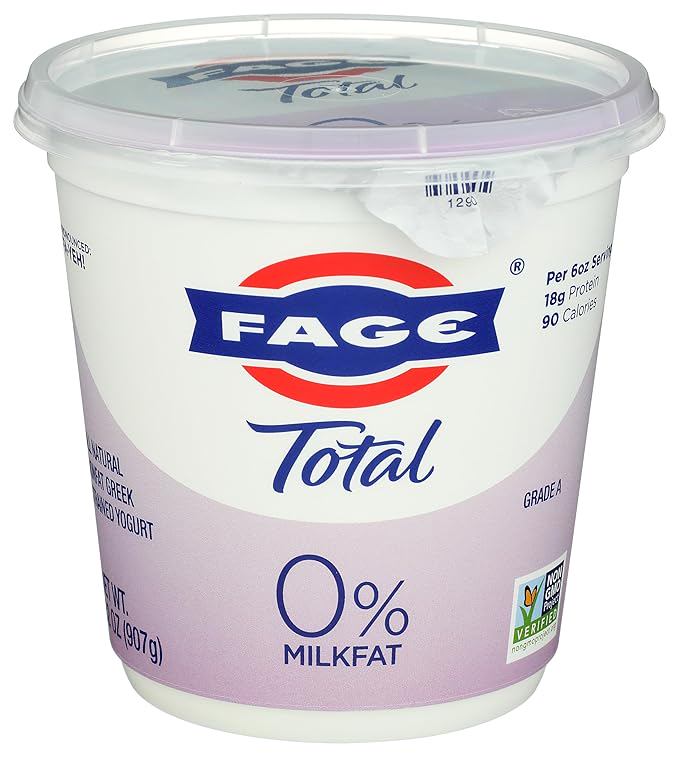
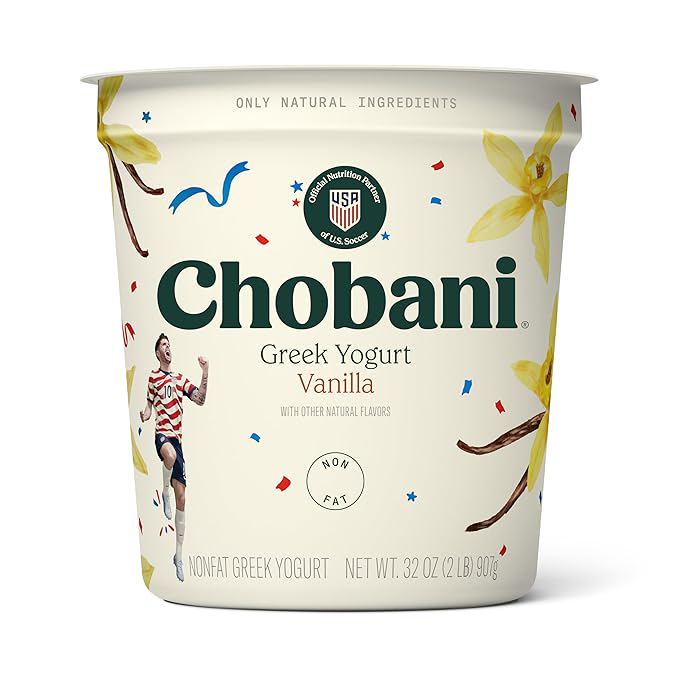
Protein is non-negotiable for muscle recovery. After a workout, your muscle tissue has an increased sensitivity to protein, meaning it can use amino acids more efficiently. Lean options like skinless chicken breast, turkey, fish, eggs, or Greek yogurt provide high-quality protein without excess saturated fat. Whey protein shakes also work quickly if you struggle to eat solid food immediately after training.
Try a simple grilled chicken salad with quinoa and vegetables within an hour of your workout for a balanced protein boost.
2. Tart Cherry Juice: The Natural Anti-Inflammatory
Tart cherry juice has gained attention for its ability to reduce exercise-induced muscle damage and soreness. It contains anthocyanins and other antioxidants that help calm inflammation and speed recovery. Studies suggest that drinking tart cherry juice before and after exercise can decrease markers of muscle damage and reduce strength loss. It's a tart, refreshing option that pairs well with a source of protein for a complete recovery snack.
3. Sweet Potatoes: The Glycogen Refiller
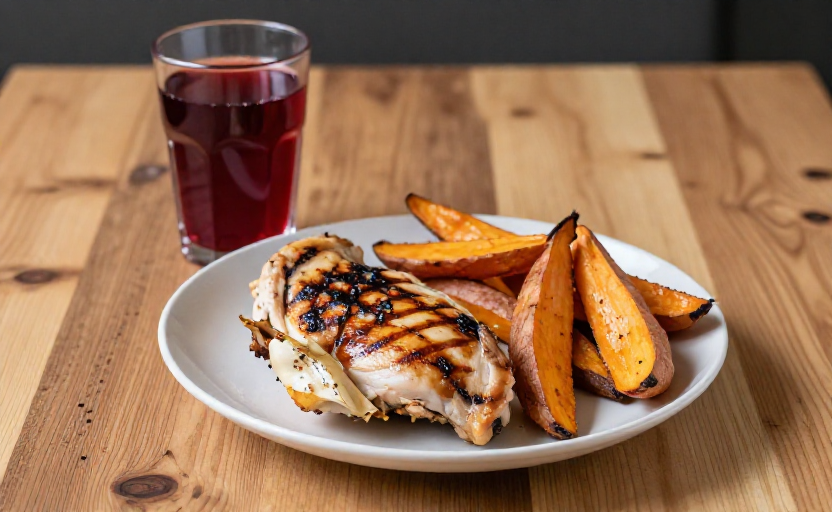
Sweet potatoes are an excellent source of complex carbohydrates, which replenish glycogen stores that get depleted during exercise. They also provide potassium, a mineral lost through sweat that helps prevent cramping. Eating sweet potatoes after a workout supports sustained energy release and helps your muscles hold onto the glycogen they need for your next session. Roast them as wedges, mash them, or cube them into a recovery bowl.
Putting It All Together: A Simple Recovery Meal
Combine these three foods into one recovery meal: grilled chicken (lean protein), roasted sweet potatoes (carbs + potassium), and a glass of tart cherry juice (anti-inflammatory). Add a handful of spinach or broccoli for extra vitamins and fiber. This combination covers all your recovery bases—repair, replenishment, and inflammation control—without overcomplicating your routine.
Frequently Asked Questions About Post-Workout Eating
- How soon after a workout should I eat? The so-called 'anabolic window' is wider than once thought. Eating within 2 hours is ideal for most people. Within 30 minutes to 1 hour is beneficial if you're training fasted or doing multiple sessions in a day, but it's not a strict deadline for general fitness.
- Can I rely on supplements instead of whole foods? Whole foods should be your foundation because they provide fiber, micronutrients, and a natural balance of compounds that supplements lack. Supplements like protein powder can fill a gap when you're short on time but shouldn't replace whole meals regularly.
- What if I'm not hungry after exercise? It's common to lose appetite after intense workouts, especially in the heat. Start small—a smoothie with protein powder, banana, and a handful of spinach is easy to digest. Liquid calories count. Your muscles still need nutrients even if your stomach feels unsettled.
- Is it okay to eat fat after a workout? Yes, but keep it moderate. A little healthy fat from avocado or nuts won't harm recovery, but a high-fat meal can slow digestion and delay nutrient delivery. Stick to mostly protein and carbs immediately after your workout and include fat later.
Note: This information is for general health and wellness education only. It is not a substitute for medical advice. If you have specific medical conditions or dietary restrictions, consult a registered dietitian or your healthcare provider.