Omega-3 fatty acids often get top billing in conversations about heart health. And for good reason: these essential fats play a vital role in reducing inflammation, supporting healthy cholesterol levels, and maintaining overall cardiovascular function. But with popularity comes confusion. Many people are trying to eat more omega-3s, yet a handful of stubborn myths may actually be keeping them from getting the full heart-healthy benefit.
Here are three common omega-3 myths that could be quietly working against your progress—and what the science really says.
Myth 1: All Omega-3s Are the Same
Even careful eaters sometimes assume that any source of omega-3 will do the trick. The truth is more nuanced. There are three main types of omega-3s: ALA (alpha-linolenic acid), EPA (eicosapentaenoic acid), and DHA (docosahexaenoic acid). They come from different sources and are converted differently by the body.
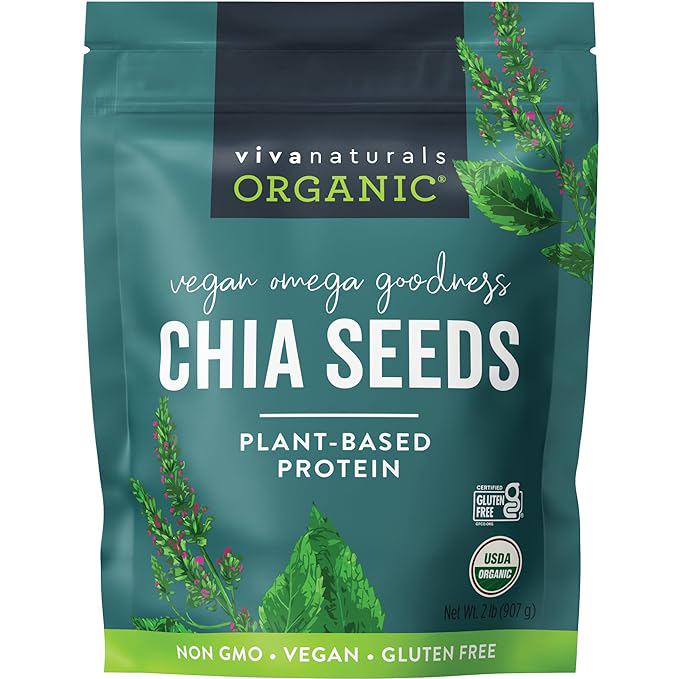
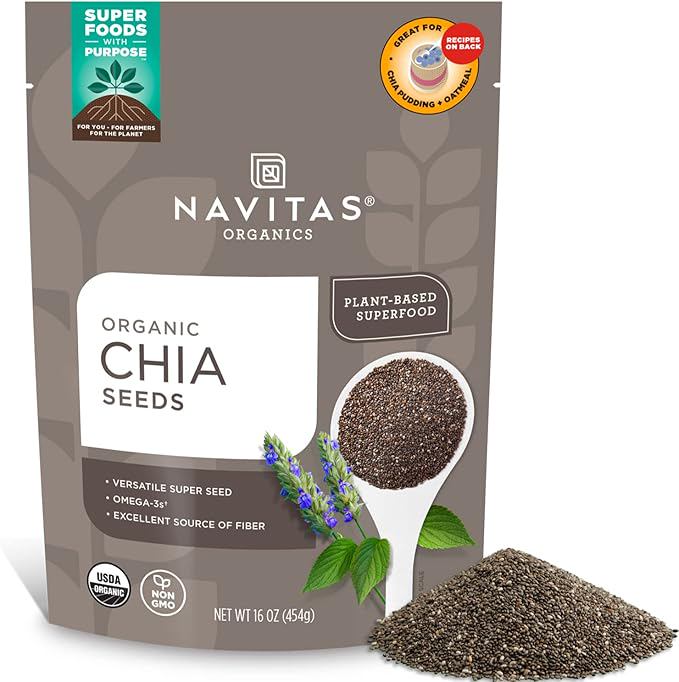
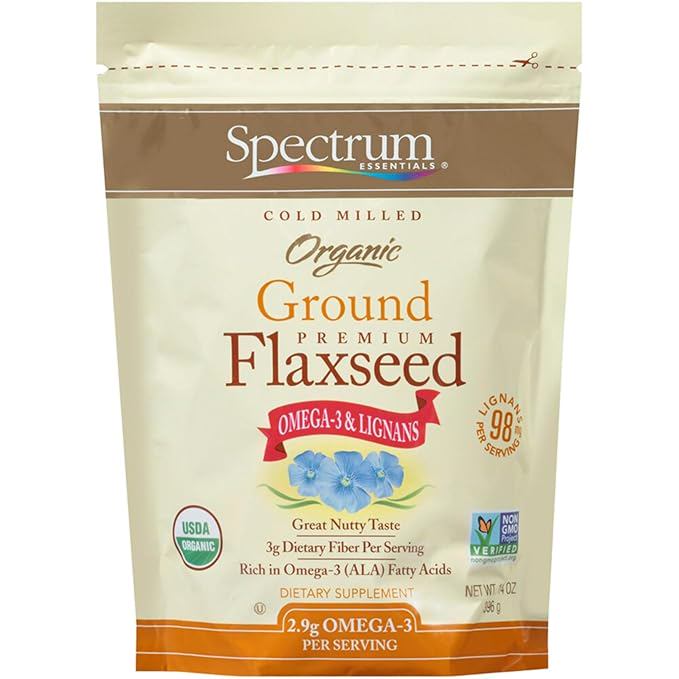
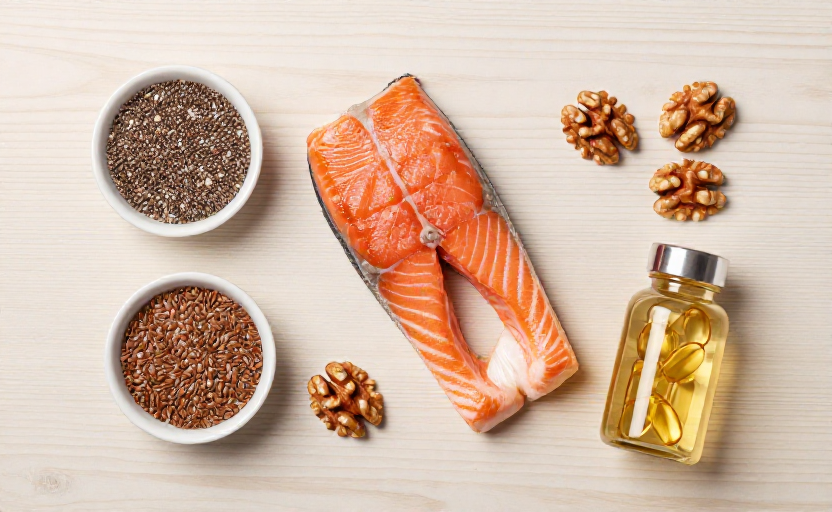
ALA is found in plant foods like flaxseeds, chia seeds, and walnuts. While ALA does offer heart benefits, your body converts only a small fraction of it into the more active forms, EPA and DHA. Most of the research linking omega-3s directly to heart health has centered on EPA and DHA, which are primarily found in fatty fish such as salmon, mackerel, sardines, and anchovies.
If your diet is rich in flax but light on fish, you may not be getting the same level of cardiovascular support you think. That doesn't mean plant sources are useless—they still contribute to a healthy diet—but it pays to understand the distinction.
The short version: For direct heart-health benefits, prioritize EPA and DHA from fish or algae. Think of ALA as a helpful bonus, not a replacement.
Myth 2: Eating Fish Once a Week Is Enough to Meet Your Omega-3 Needs
Many people believe that a weekly serving of salmon or tuna covers their omega-3 quota. But dietary guidelines suggest a different story. Major health organizations typically recommend at least two servings of fatty fish per week, with each serving being about 3.5 ounces cooked. That works out to roughly 8 ounces total per week.
Even then, the amount of omega-3s in a particular fish can vary widely. Farmed salmon often contains more fat (and thus more omega-3s) than wild salmon, but the ratio can fluctuate depending on what the fish are fed. Smaller fish like sardines and mackerel are excellent, concentrated sources, while leaner fish like cod or tilapia offer far less.
If you rely on canned tuna, be mindful of the type. Light tuna generally has less omega-3 than albacore (white) tuna, and both should be consumed in moderation due to mercury concerns. Relying on a single weekly portion may leave you short of the amounts that have been linked with lower cardiovascular risk in studies.
Quick Check: Are You Getting Enough?
- Two or more servings of fatty fish per week? Likely on track.
- One serving per week? You may be falling short, especially if that serving is a lean fish.
- Rarely or never eat fish? Consider talking with your healthcare provider about whether an algae-based or fish oil supplement might be appropriate.
Myth 3: Omega-3 Supplements Are a Perfect Substitute for Food
It's tempting to skip the fish and just take a pill. Fish oil and algae oil supplements are convenient, and many people assume they deliver the same benefits. But the evidence is more complex. While supplements can raise your blood levels of EPA and DHA, whole food sources provide a matrix of nutrients—protein, vitamin D, selenium, and other compounds—that work together in ways supplements alone may not replicate.
Large-scale clinical trials have shown mixed results on whether omega-3 supplements reduce heart attacks and strokes in people who are already healthy. The strongest protective links tend to emerge from studies of people who eat fish regularly, not from those who just take pills.
This is not to say supplements have no place. For people who don't eat fish, especially those with certain health conditions or risk factors, a high-quality supplement may help fill a gap. Many experts agree that the best approach is to prioritize food sources and use supplements only as a backup, not the main strategy.
Bottom line: A supplement can be a useful safety net, but a filet of salmon brings more to the table than just omega-3s alone.
Putting It Together for Your Heart
Cutting through these myths doesn't require a complete diet overhaul. Small, practical changes can move you closer to the omega-3 intake that supports heart health without adding stress to your routine.
- Add fish to your rotation: Aim for two servings of fatty fish each week. Canned sardines or salmon on a salad count.
- Don't ignore plant sources: Sprinkle flaxseed or chia into oatmeal, smoothies, or yogurt. Toss walnuts into a stir-fry or snack on them. Every bit helps, even if it's not a full replacement.
- Read labels if you supplement: If you choose a supplement, look for one that lists the amounts of EPA and DHA, not just total fish oil. And always run it by your doctor or a registered dietitian first.
Heart-healthy eating is about patterns, not perfection. Understanding the difference between helpful omega-3 sources and overblown claims can keep your diet on track—and your heart in better shape for the long run.