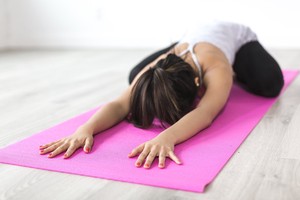

The third trimester has a way of making every hamstring feel two inches shorter. Between the shift in your center of gravity and the extra weight your body is carrying, those muscles along the back of your thighs can get chronically tight—especially when you're trying to roll out of bed and onto a yoga mat before the day starts.
If you're practicing prenatal yoga, you know the value of gentle movement. But what you drink in the morning can actually prepare your muscles to stretch more safely. These three drinks work from the inside out, supporting muscle pliability and hydration without overstimulating you or the baby.
Why morning drinks matter for tight hamstrings during pregnancy
Muscle tightness isn't just about stretching. It's often about hydration, electrolyte balance, and circulation. During pregnancy, your blood volume increases by nearly 50 percent, which means your muscles need more water and minerals to function properly. If you wake up dehydrated—and most people do after a night's sleep—your hamstrings will feel less elastic, especially when you go into a forward fold or a gentle hamstring stretch.
The right morning drink can rehydrate your tissues, support magnesium levels (which help muscles relax), and even reduce mild inflammation that contributes to that stiff feeling behind the knees and along the backs of the thighs.
A simple rule: if your urine is dark in the morning, your muscles are starting the day at a disadvantage. These drinks help correct that before you step on the mat.
1. Warm lemon water with a pinch of sea salt
This isn't a fad—it's a practical way to rehydrate and replace electrolytes without added sugar or caffeine. Lemon provides a small amount of vitamin C, which supports collagen production in connective tissue, including the fascia that wraps around your hamstrings. The sea salt delivers sodium and trace minerals that help your muscles hold onto the water you drink.
How to make it: Squeeze half a fresh lemon into 8 to 12 ounces of warm—not boiling—water. Add a tiny pinch of high-quality sea salt (about the size of a grain of rice). Stir and sip slowly 20 to 30 minutes before your prenatal practice.
Why it helps hamstrings: Dehydrated muscle fibers are more prone to micro-tears during stretching. Warm water increases blood flow to the digestive tract and extremities, which can slightly increase tissue temperature in the legs. The salt helps your body retain the fluid long enough to hydrate the fascia around the hamstrings.
2. Coconut water (plain, no added sugar)
Coconut water is naturally rich in potassium—a key electrolyte that helps muscles contract and relax properly. During pregnancy, potassium requirements go up, and a mild deficiency can show up as muscle cramping or a feeling of tightness, especially in the hamstrings and calves.
Choose wisely: Look for pure coconut water with no added sugar or flavorings. Many commercial brands add sugar or artificial sweeteners, which can cause energy crashes or bloating. A single 8-ounce serving before yoga provides about 400 to 600 mg of potassium—roughly 10 to 15 percent of your daily needs during pregnancy.
How to use it: Drink it straight, or warm it slightly on the stove if cold beverages feel uncomfortable first thing in the morning. Avoid drinking it too quickly; sip it over 15 to 20 minutes to give your kidneys time to process the fluid load.
Why it helps hamstrings: Potassium supports the sodium-potassium pump in muscle cells, which is essential for proper relaxation after contraction. When your hamstrings feel perpetually tight, it can be a sign that those cells aren't resetting properly. Coconut water helps restore that balance.
3. Tart cherry juice diluted with still water
Tart cherry juice has been studied for its ability to reduce muscle soreness and improve recovery. It's rich in anthocyanins—antioxidants that help lower oxidative stress in muscle tissue. For prenatal yoga, where you're aiming to release tension rather than build it, this drink can help your hamstrings feel more responsive to gentle stretching.
Important safety note for pregnancy: Tart cherry juice is safe in moderation, but it's naturally high in sugar (about 25 grams per 8-ounce serving). Dilute it with water—use two parts water to one part juice—to keep blood sugar levels stable. If you have gestational diabetes or are watching your sugar intake, consult your healthcare provider before adding any fruit juice to your routine.
Why it helps hamstrings: The anti-inflammatory compounds in tart cherries can reduce subtle inflammation in the connective tissue around the hamstrings. This doesn't replace stretching, but it can make gentle stretches feel more productive by reducing background stiffness.
Best timing: Drink the diluted juice about 30 to 45 minutes before your practice. The body needs a little time to absorb the antioxidants and for them to reach the muscles.
Putting it together: a simple morning routine
You don't need all three drinks at once. Choose one that fits your taste and digestive comfort:
- If you wake up feeling thirsty and your mouth is dry, start with the warm lemon water and salt.
- If you've noticed leg cramps at night, go for the coconut water.
- If your hamstrings feel achy and sore rather than just tight, try the diluted tart cherry juice.
Whichever you choose, give your body 20 to 30 minutes to absorb the fluid before you begin your prenatal yoga sequence. Avoid drinking a large volume right before moving—a full stomach can make forward bends and twists uncomfortable during pregnancy.
What to avoid in the morning before prenatal yoga
Some common morning drinks work against muscle flexibility:
- High-caffeine coffee or tea: Caffeine is a mild diuretic, which can work against rehydration. If you need coffee, drink your hydrating beverage first and wait 30 minutes before your coffee.
- Sugary smoothies or fruit juice (undiluted): A blood sugar spike followed by a crash can leave you feeling lethargic and make muscles feel tighter as glucose levels drop.
- Carbonated beverages: The gas can cause bloating and make deep breathing in yoga poses feel restricted, especially as your uterus presses upward against the diaphragm.
Listen to your body. Some women find that any liquid too close to practice triggers acid reflux, a common pregnancy complaint. If that happens, sip your chosen drink earlier—right when you wake up—and allow more time before moving.
Remember the basics
No drink replaces consistent prenatal yoga practice, warm-ups, and proper alignment. These morning beverages are a support tool, not a solution for structural tightness or round ligament pain. If your hamstring tightness is severe, or if you feel sharp pain rather than a pulling sensation, talk to your prenatal care provider or a physical therapist who specializes in pregnancy.
The goal is small, sustainable changes that make your time on the mat more comfortable. Start with one drink for a week, notice how your hamstrings feel during forward folds and gentle hamstring stretches, and adjust from there.