
Your morning meal sets the stage for the day, but many common breakfast choices are low in the vitamins your body actually needs to run smoothly. Instead of overhauling your entire kitchen, you can make a few targeted swaps that naturally increase your intake of key nutrients without adding complexity to your routine. These three simple changes focus on vitamins you're likely missing first thing in the morning—and they rely on whole foods, not supplements.
Swap Sugary Cereal for a Bowl of Cooked Lentils or Beans
A bowl of cold cereal might be quick, but it's rarely a vitamin powerhouse. Legumes—such as lentils, chickpeas, and black beans—offer a surprisingly mild morning option when prepared simply. A half-cup of cooked lentils provides about 12% of your daily zinc needs, along with significant amounts of B vitamins, particularly folate, which supports energy metabolism and red blood cell production.
Legumes are also rich in dietary fiber, which helps stabilize blood sugar and keeps you satisfied until lunch. You don't have to think of them as dinner food. Try warm skillet-toasted chickpeas with a pinch of cumin and salt, or stir leftover lentils into scrambled eggs. Heating and gentle fermentation—like the kind that happens in canned beans—can even make the minerals in legumes more available for your body to use.
Swap Butter-Toasted White Bread for a Handful of Nuts
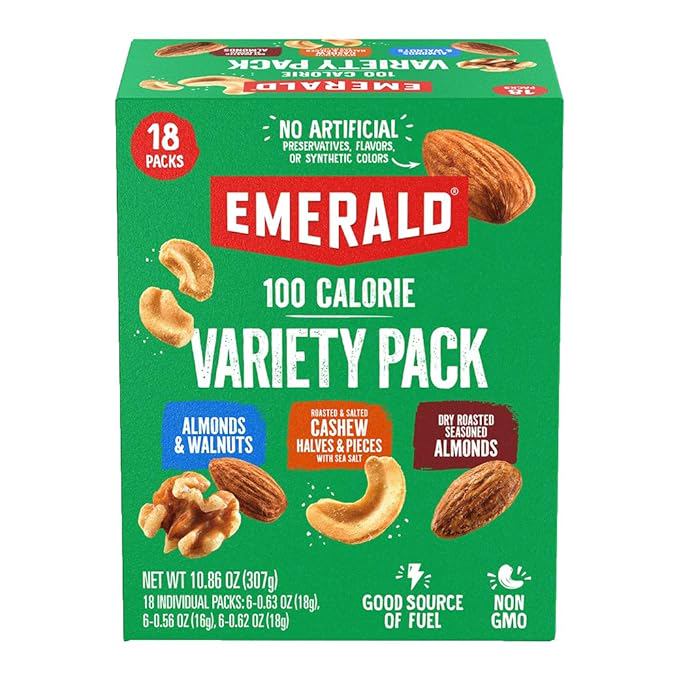
Toast with butter is a classic, but it's not bringing much to the table nutritionally. Nuts, on the other hand, are a concentrated source of vitamin E, magnesium, and zinc. Cashews, almonds, and pine nuts each deliver a meaningful zinc boost—a one-ounce serving of cashews covers roughly 15% of a woman's daily zinc requirement. Vitamin E, which is abundant in almonds, acts as a fat-soluble antioxidant that supports immune function and skin health.
To make this swap easy, keep a small container of mixed nuts on your counter or in your bag. You can also sprinkle chopped almonds or crushed cashews over oatmeal, yogurt, or fresh fruit. If you prefer a crunchy texture similar to toast, try a thin layer of almond butter on a whole-grain rice cake instead of buttered bread. The healthy fats in nuts also help your body absorb fat-soluble vitamins A, D, E, and K from other foods you eat alongside them.
Swap Fruit Juice for Whole Mushrooms Cooked Into Your Breakfast
Fruit juice is a common source of morning vitamin C, but it's also high in sugar and lacks the fiber of whole fruit. For a surprising source of B vitamins, selenium, and zinc, consider adding mushrooms to your breakfast plate. A cup of sliced raw mushrooms provides roughly 3% of your daily zinc value, plus a meaningful amount of selenium—a mineral that works with zinc to support antioxidant enzymes and immune cell function.
Mushrooms also supply B vitamins like riboflavin and niacin, which help convert food into usable energy. Sauté them with a little olive oil and add them to omelets, breakfast burritos, or even alongside eggs and whole-grain toast. Their savory flavor pairs well with morning dishes and adds a nutrient density that juice simply cannot match. For the best vitamin D content, look for mushrooms labeled as exposed to UV light, or briefly set sliced mushrooms in a sunny window before cooking to naturally increase their vitamin D levels.
These three swaps are straightforward and backed by the same nutrient principles that apply to the rest of your diet. By replacing low-nutrient breakfast foods with legumes, nuts, and mushrooms, you support your body's vitamin and mineral needs without relying on fortified products or supplements. Start with one swap this week, notice how your energy feels, and build from there.
As always, if you are pregnant, breastfeeding, or managing a chronic health condition, your vitamin and mineral needs may differ. A healthcare provider or registered dietitian can help you tailor these ideas to your specific situation.