Bodyweight training is deceptive in the best way. You can do it anywhere, it builds functional strength, and it respects your joints. But precisely because it feels accessible and low-impact, many of us overlook the recovery side. We assume that because we didn't move a barbell, our muscles don't need the same careful attention. That assumption can quietly derail your progress.
After spending years working with active clients and observing my own training patterns, I have noticed three specific habits that consistently undermine recovery after frequent bodyweight work. These are not dramatic mistakes—they are subtle, daily choices that add up. Here is what to watch for and how to adjust.
1. Staying Too Long in End-Range Positions During Core Work
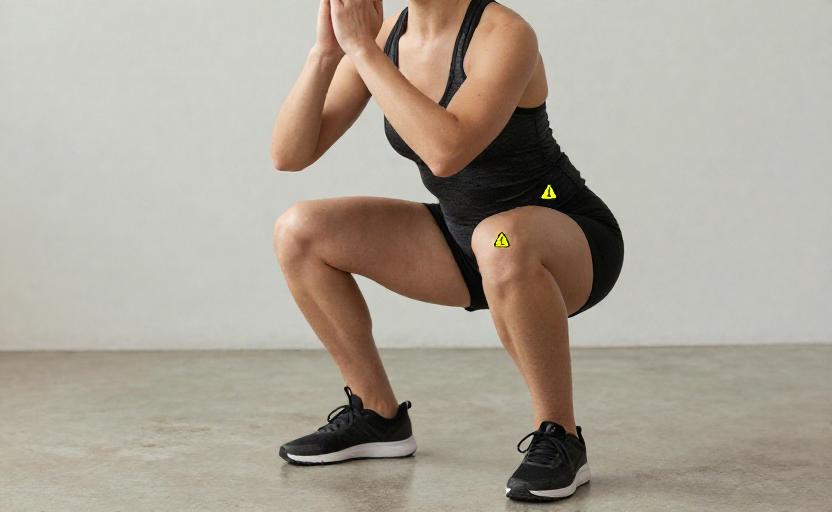
There is a difference between feeling the burn and straining connective tissue. When you perform movements like the hollow body hold, planks with excessive hip lift, or deep pistol squat progressions, you often spend significant time at the extreme end of your range of motion. For example, holding a deep single-leg squat with a rounded lower back places constant tension on the lumbar spine's passive structures—the discs and ligaments—rather than on the muscles meant to do the work.
This is not about avoiding deep positions entirely. It is about recognizing that time under tension in end-range positions creates a different recovery demand than dynamic, full-range movement. If your lower back feels achy rather than muscularly fatigued after a session, or if your knees feel stiff the next day without swelling, you might be lingering too long in those deep holds.
The fix: Limit static end-range holds to 10–15 seconds per set. Focus on bracing your core before entering the deep position, and avoid letting your joints "rest" on their passive structures at the bottom of a movement. If you feel a pinch, come up an inch.
2. Relying on Static Stretching as Your Only Cool-Down
It makes intuitive sense: after a hard workout, you stretch to "relax" the muscles. But for bodyweight training, which often involves high repetitions and isometric holds, static stretching immediately afterward can paradoxically increase soreness and delay recovery in some people. The research suggests that static stretching blunts the muscle's protective neuromuscular response right after exercise, potentially leading to micro-damage during the very period when your body is trying to stabilize tissue.
Furthermore, if your bodyweight sessions include movements like pull-ups, dips, or Hindu push-ups, your nervous system is still highly activated post-workout. Forcing a cold, long hamstring stretch or a deep hip flexor stretch before that system calms down can trigger a protective spasm response in some individuals. I have seen clients trade their usual five-minute stretching routine for a different approach and notice significantly less next-day stiffness within a week.
A better approach: Replace static stretching with 5–7 minutes of very low-threshold movement. Think cat-cow, walking lunges with minimal depth, arm circles, and gentle spinal twists. This is called active recovery within the cool-down window. Save your static stretching for a separate session—perhaps later in the evening or the following morning—when your tissues are warm and your nervous system is calm.
3. Treating Hydration and Nutrition as Afterthoughts
This habit is invisible, which is why it is so common. Bodyweight training does not produce the same sweat volume as heavy squats or a long run, so you might not feel as thirsty. But the metabolic and neural demands are real. A bodyweight session that involves thirty minutes of varied push-ups, lunges, and core work can still deplete glycogen stores and cause subtle electrolyte shifts, especially if you repeat sessions daily.
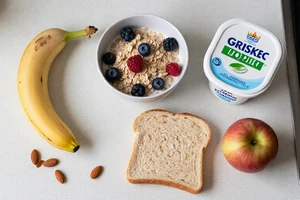
The second piece is nutrition timing. Many people who do bodyweight circuits in the morning or during a lunch break skip the post-workout meal because they feel fine. They eat a regular meal hours later. Over weeks, this creates a cumulative deficit that slows tissue repair. You do not need a protein shake—real food works perfectly—but you need a combination of protein and carbohydrates within two hours of finishing. Something as simple as a banana with a hard-boiled egg, a bowl of oatmeal with milk, or a small chicken and rice bowl will signal your body to start the repair process.
Practical cues: Drink water throughout the day, not just during your workout. Aim for one fluid ounce per pound of body weight as a baseline. After training, eat a meal that contains roughly 20–30 grams of protein and some carbohydrates. If you train fasted, make that post-workout meal your top priority—not an optional extra.
Putting It All Together for Better Recovery
The beauty of fixing these habits is that none of them require a gym membership, special equipment, or a drastic schedule change. They are tweaks in awareness. When you stop lingering in end-range positions, switch to movement-based cool-downs, and treat post-workout nutrition as non-negotiable, you will notice that your body feels less achy from session to session. Your strength gains will become more consistent, and you will stop hitting those mysterious plateaus where you feel like you are working hard but not getting stronger.
Bodyweight training is a powerful tool. Respect its demands, and your body will reward you with steady progress and fewer nagging pains.