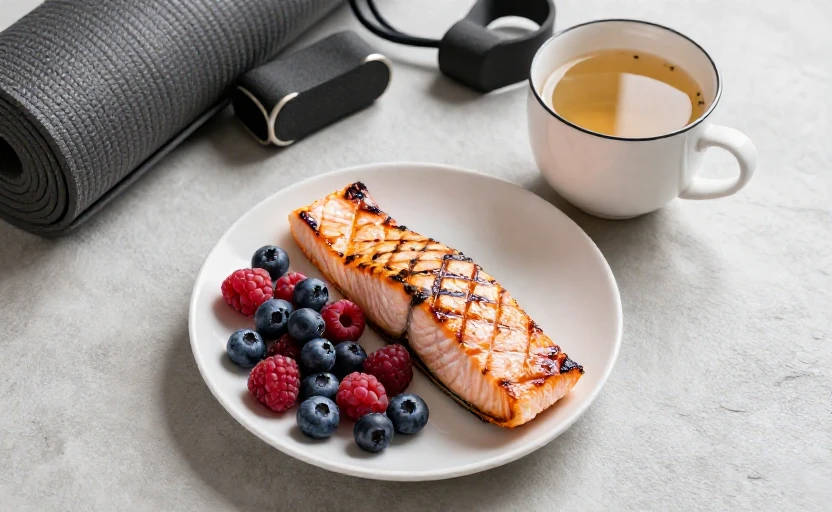
If you’re someone who trains regularly—whether lifting weights, practicing yoga, or playing sports—you know that shoulder mobility is a precious commodity. It’s the difference between a smooth overhead press and a grinding, uncomfortable one; between a fluid swim stroke and a shoulder that protests the next day. While stretching and proper form are non-negotiable, what you put on your plate plays a surprisingly direct role in how freely and resiliently your shoulders move.
Nutrition for mobility isn’t about miracle cures. It’s about consistently providing the raw materials your joints, tendons, and muscles need to stay lubricated, repaired, and inflammation-free. For the frequent exerciser, this is especially critical. The repetitive stress of training demands a nutritional foundation that supports recovery and tissue health. Let’s look at three specific food groups that deliver these building blocks, helping you maintain that essential range of motion.
Why Food Matters for Your Shoulders
Your shoulder is the most mobile joint in your body, a feat of engineering that comes with a trade-off in stability. It relies heavily on the rotator cuff muscles, tendons, and the synovial fluid within the joint capsule for smooth operation. Exercise creates micro-tears and inflammation—a normal part of getting stronger—but chronic, low-grade inflammation can thicken tissues and reduce the joint space, impeding mobility over time.
The right foods help in two primary ways. First, they provide specific nutrients that are the literal components of connective tissue and joint fluid. Second, they contain compounds that help manage the inflammatory response, keeping it in its beneficial, healing state rather than letting it become a persistent problem. For the active person, this nutritional support isn’t optional; it’s part of the maintenance schedule.
1. Fatty Fish: The Anti-Inflammatory Powerhouse
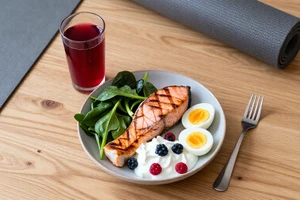
Think of fatty fish like salmon, mackerel, sardines, and herring as your first line of dietary defense for joint health. They are uniquely rich in long-chain omega-3 fatty acids, specifically EPA and DHA. These fats are incorporated into your cell membranes and are used by your body to produce molecules that actively resolve inflammation.
For shoulders under frequent use, this is key. It helps modulate the natural inflammatory process that follows a hard workout, preventing it from becoming chronic and contributing to stiffness. Omega-3s have also been associated with reduced joint pain and morning stiffness in research on general joint health.
Aim to include a serving of fatty fish at least twice a week. This consistent intake builds up your body’s reserves of these beneficial fats.
If you don’t eat fish, algae-based supplements can provide EPA and DHA. While plant sources like walnuts and flaxseeds contain a different omega-3 (ALA), the conversion rate to EPA and DHA in the body is very low, making them less effective for this specific purpose.
2. Colorful Berries and Cherries: Nature’s Recovery Aids
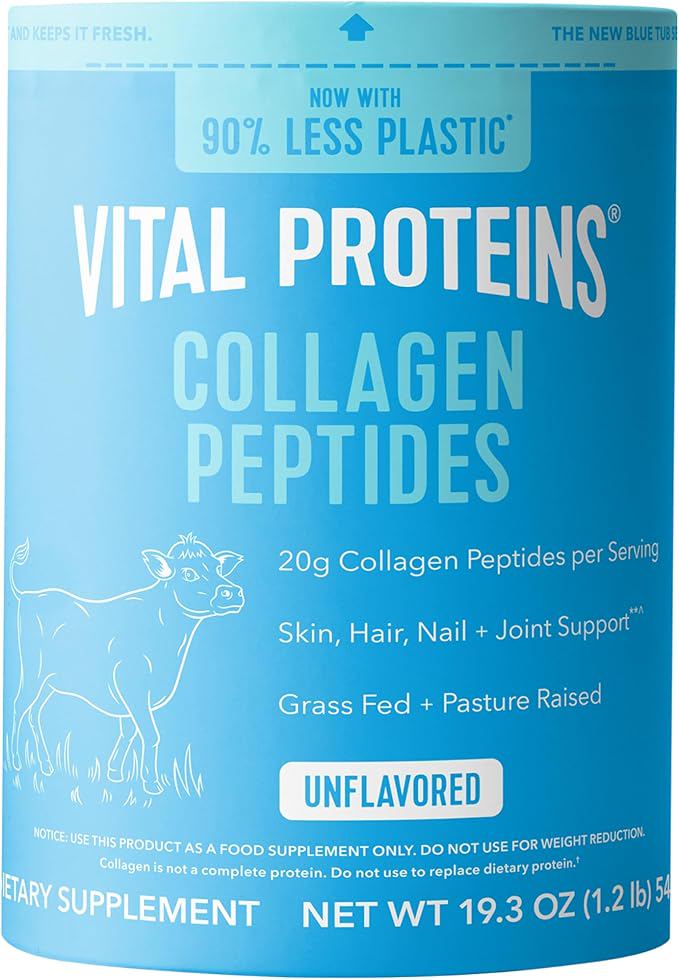
The vibrant colors of berries—blueberries, blackberries, raspberries, strawberries—and tart cherries come from anthocyanins and other polyphenols. These are potent antioxidants and anti-inflammatory compounds. They help neutralize free radicals produced during intense exercise, which can otherwise contribute to tissue damage and prolonged inflammation.
Studies on tart cherry juice, in particular, have shown promise in reducing muscle soreness and markers of inflammation after strenuous exercise. By helping to manage post-workout inflammation, these fruits can support a better recovery environment for your shoulder tissues, allowing for less stiffness and better mobility in your next session.
They’re also excellent sources of vitamin C, which is crucial for collagen synthesis. Collagen is the main structural protein in tendons, ligaments, and the joint capsule itself. Keeping your collagen production robust is fundamental for tissue integrity.
- Add a handful of mixed berries to your morning oatmeal or post-workout smoothie.
- Keep frozen berries on hand for a convenient, nutrient-dense addition to yogurt or snacks.
- Consider tart cherry juice concentrate as a occasional post-training drink, but be mindful of the natural sugar content.
3. Bone Broth and Collagen-Rich Cuts: Supporting the Scaffolding
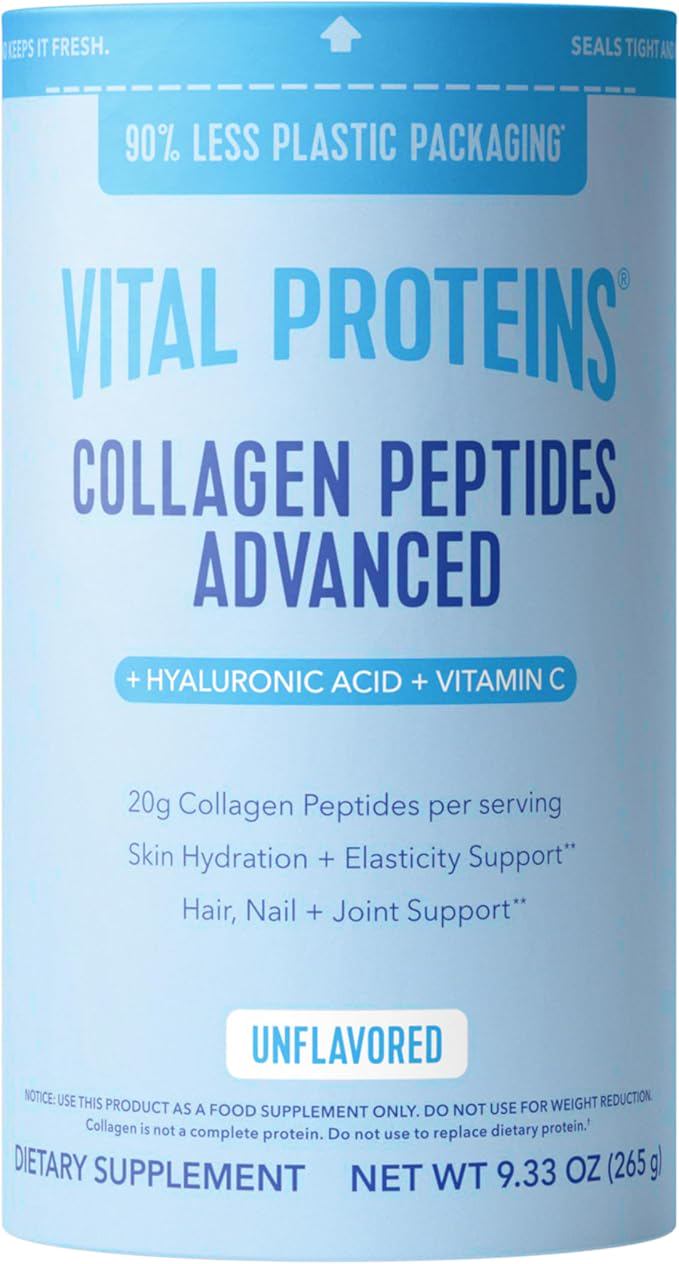
This one goes directly to the source: providing the amino acids that make up your connective tissues. Bone broth, made by simmering animal bones and connective tissue for many hours, releases collagen, gelatin, and minerals like glucosamine and chondroitin into the broth. These are the very compounds that form the matrix of your cartilage, tendons, and ligaments.
While high-quality research specifically on bone broth is limited, the principle is sound. You are consuming the precursors your body uses to build and repair its own connective tissues. For exercisers, this can be a helpful dietary support. Similarly, eating cuts of meat that contain connective tissue (think chicken thighs with skin, oxtail, or pot roast) provides these same building blocks.
Homemade bone broth allows you to control the ingredients, but look for store-bought versions with minimal additives and a high protein content.
It’s important to view this as a supportive, long-term practice, not an instant fix. Consistency matters—incorporating these foods regularly contributes to the ongoing maintenance and repair of the tissues that dictate your shoulder’s mobility.
Putting It All Together on Your Plate
Nutrition for mobility works best as part of a holistic approach. These three food groups are most effective when consumed within an overall balanced diet that’s rich in vegetables, includes adequate protein for muscle repair, and focuses on whole foods. Hydration is also non-negotiable; synovial fluid, which lubricates your shoulder joint, is primarily water.
Pair this nutritional strategy with intelligent training: proper warm-ups, mobility-specific work like controlled rotations and hangs, and avoiding excessive loads with poor form. Listen to your body. A tweak or persistent ache is a signal to dial back and assess, not push through.
Your shoulders are your partners in every push, pull, and reach. Feeding them with intention is a powerful way to honor that partnership, ensuring they remain supple, strong, and ready for the movement you love.