Bodyweight workouts — think push-ups, squats, lunges, and planks — are excellent for building functional strength without equipment. But all those reps and holds place constant stress on your joints, especially the knees, shoulders, wrists, and hips. Recovery isn't just about resting sore muscles; your joints need specific nutrients to repair the connective tissue that takes a beating.
As a dietitian, I often see active individuals focus on protein for muscle repair while overlooking the nutritional support their joints need. The good news? You can help your joints bounce back by adding a few targeted foods to your post-workout meals and snacks. Here are three foods that directly support joint recovery after frequent bodyweight training.
Why Joint Recovery Matters for Bodyweight Athletes
Bodyweight exercises are weight-bearing by nature. Each lunge or push-up transmits force through your joints, compressing cartilage and stressing ligaments and tendons. Over time, this can lead to stiffness, inflammation, or even overuse injuries if your body doesn't have the raw materials to rebuild. A diet rich in specific nutrients supports the production of synovial fluid (which lubricates joints), bolsters the collagen matrix in cartilage, and helps control the inflammatory response after exercise.
1. Fatty Fish (Salmon, Mackerel, or Sardines)
Fatty fish is arguably the single best food for joint recovery. It delivers two critical components: high-quality protein and long-chain omega-3 fatty acids (EPA and DHA).
The protein provides amino acids, including glycine and proline, which are essential building blocks for collagen — the main structural protein in cartilage, ligaments, and tendons. Omega-3s, on the other hand, help reduce post-exercise inflammation. After a tough bodyweight circuit, your joints may experience a mild inflammatory response. Omega-3s help keep that inflammation in check without blocking the healing process.
Practical tip: Aim for two 3- to 4-ounce servings of fatty fish per week. Canned sardines or salmon are convenient options for adding to salads or whole-grain crackers post-workout.
2. Citrus Fruits (Oranges, Grapefruit, Kiwi, and Bell Peppers)
Vitamin C is a non-negotiable nutrient for joint recovery because it's required for collagen synthesis. Your body cannot manufacture stable collagen fibers without adequate vitamin C. After bodyweight training, your connective tissues undergo micro-damage that needs repair; vitamin C activates the enzymes that cross-link collagen molecules, strengthening the joint structures.
Citrus fruits get the spotlight, but bell peppers, kiwi, and strawberries are also rich sources. The beauty of vitamin C is that it's water-soluble, so your body excretes what it doesn't use — which means you need a steady supply from food. Include a vitamin-C-rich fruit or vegetable in your post-workout meal or snack to support ongoing repair.
For example, toss a handful of spinach (also a source of vitamin C) into a smoothie with berries, or eat an orange alongside a hard-boiled egg. The combination of protein and vitamin C works synergistically for tissue repair.
3. Bone Broth or Collagen-Rich Foods
Bone broth has become popular for a reason: it naturally contains collagen, gelatin, and the amino acids glycine and proline. When you simmer animal bones (chicken, beef, or fish) for an extended period, collagen leaches into the broth. Consuming these compounds may provide the building blocks your body uses to repair and maintain joint cartilage.
While your body can produce collagen from other amino acids, providing a direct source may reduce the demand on your internal synthesis pathways. Some studies suggest that supplemental collagen (hydrolyzed) can support joint health in active individuals, but whole-food sources like bone broth also offer minerals (calcium, magnesium, phosphorus) that support bone and connective tissue health.
If you don't enjoy bone broth, other collagen-rich foods include chicken skin, fish skin, and tough cuts of meat cooked low-and-slow (like a pot roast). For a vegetarian approach, focus on combining vitamin C with foods that offer a range of amino acids (beans, lentils, nuts, seeds) — though plant-based diets will need to work harder to support collagen production.
Practical tip: Sip a cup of warm bone broth as a post-workout beverage, or use it as a base for soups and stews. It pairs well with a squeeze of lemon (vitamin C) for added benefit.
Putting It Together: A Sample Post-Workout Joint Recovery Plate
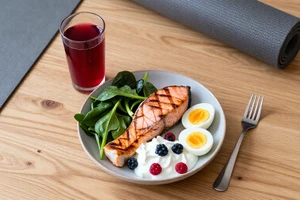
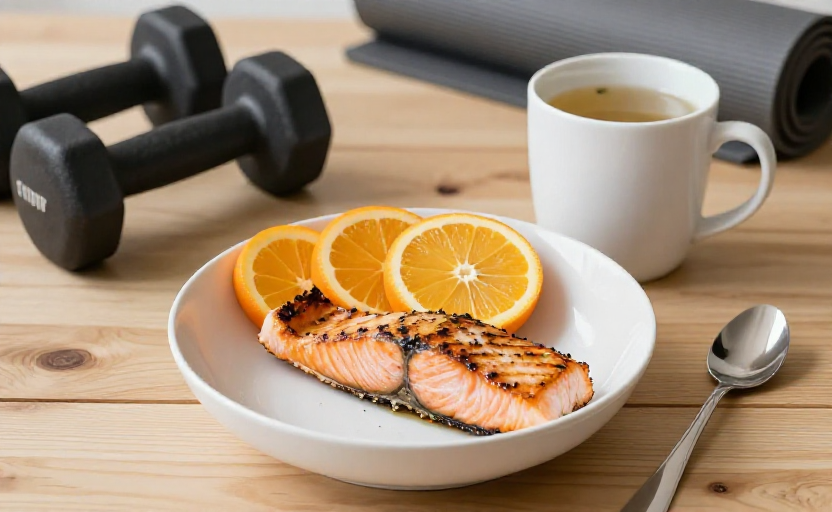
After a bodyweight session, you don't need a complicated meal. A simple plate could feature grilled salmon or sardines (protein and omega-3s) served with a side of roasted bell peppers and a handful of cherry tomatoes (vitamin C), and a mug of bone broth for additional collagen support. Add a small serving of whole grains or sweet potato for energy replenishment, and you've covered both muscle and joint recovery.
Consistency matters more than perfection. Make these three foods a regular part of your weekly rotation — not just after workouts — and your joints will be better prepared for the next round of lunges and planks.