
You finally started that workout routine. Maybe it was a gentle Pilates class, a few sets of bodyweight squats, or a short walk on an incline. The next morning, your lower back feels tight, sore, or achy. That's normal for beginner muscles, but what you eat could be quietly making that pain worse.
The foods you reach for after exercise—or even the ones you ate before—can influence inflammation, fluid retention, and muscle recovery. For a beginner body adapting to new movement, certain foods can tip the scales toward extra back discomfort. Here are three common culprits to be mindful of.
1. Ultra-Processed Snacks and Fast Food
Think of the classic post-workout convenience foods: chips, frozen pizza, fast-food burgers, chicken nuggets, or sugary granola bars. These foods are high in omega-6 fatty acids and advanced glycation end products (AGEs), both of which promote inflammation. When your lower back muscles, joints, and ligaments are already stressed from unaccustomed exercise, inflammatory foods can amplify the soreness you feel.
A study in the European Spine Journal found that a pro-inflammatory diet was linked to higher levels of back pain. For a beginner whose stabilizer muscles (like the multifidus and transverse abdominis) are still learning to engage, adding systemic inflammation is like pouring salt on a fresh wound.
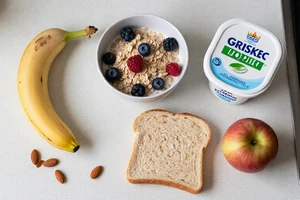
What to do instead: Replace one ultra-processed snack with something minimally processed—like an apple with a handful of almonds, plain yogurt with berries, or a simple chicken and vegetable wrap on whole-grain tortilla. Keep it simple.
2. Sugary Drinks and High-Fructose Sweets
That after-workout sports drink, soda, or sweetened iced tea may seem refreshing, but it's often packed with high-fructose corn syrup or sucrose. Excess sugar consumption increases the production of inflammatory cytokines, particularly interleukin-6 and tumor necrosis factor-alpha. When these compounds circulate, they can sensitize pain receptors in the lower back, making normal post-exercise micro-tears feel more painful than they need to be.
For a beginner, soft tissues like the lumbar fascia and the gluteal muscles are still developing strength. Sugar-driven inflammation can delay recovery and make the stiffness last an extra day or two. Even if you had a great workout, your back might feel stiff and swollen, which discourages you from sticking with your routine.
A 2021 study found that higher dietary sugar intake was significantly associated with chronic low back pain in physically active adults. Cutting back on added sugar may help reduce pain sensitivity and improve recovery time.
What to do instead: Drink water or unsweetened electrolyte blends. If you crave sweetness, try a piece of whole fruit—berries, a banana, or an orange—which provides natural sugar with fiber and antioxidants that actually support recovery.
3. High-Sodium Canned Soups, Deli Meats, and Frozen Meals
Sodium is everywhere in prepared foods. A single can of chicken noodle soup can contain over 800 mg of sodium—more than a third of the daily recommended limit. Deli meats, frozen dinners, and even some salad dressings are loaded with salt. Excess sodium causes your body to retain water, leading to a mild state of fluid swelling called edema.
For your lower back, that fluid retention can mean:
- Increased pressure on the spinal discs and facet joints.
- Reduced flexibility in the lumbar ligaments and paraspinal muscles.
- Greater sensation of stiffness, especially when you bend forward or twist after a workout.
When you combine sodium-induced swelling with the natural muscle congestion from a beginner workout, you get a back that feels heavy, tight, and painful. This is not a structural injury—it's a food-driven amplification of normal soreness.
What to do instead: Look for low-sodium versions of canned soups (aim for under 300 mg per serving). Cook from fresh ingredients at least a few times a week. Use herbs, citrus, or garlic for flavor instead of salt. Stay well-hydrated to help your kidneys flush excess sodium.
The Bigger Picture: Food as a Recovery Tool
No single food causes or cures back pain overnight. But consistently eating inflammatory, high-sugar, or high-sodium foods can turn a few days of mild soreness into a drawn-out, painful recovery that makes you want to quit your workout habit. Beginners are particularly vulnerable because their bodies are still adapting to movement patterns, and their pain perception is often higher than someone who trains regularly.
Try a simple test: for one week, cut back on the three categories above—ultra-processed foods, sugary drinks, and high-sodium prepared meals. Eat whole foods, drink water, and watch how your lower back feels after your next beginner workout. More often than not, the difference is noticeable within days.
If your back pain persists beyond two weeks, worsens, or radiates down your leg, consult a healthcare provider. The food piece is one lever—it's not a replacement for medical evaluation.