You’ve laced up your shoes, queued up the playlist, and you’re ready to crush a cardio session. But before you take that last sip from your water bottle or coffee cup, it’s worth pausing. What you drink in the hour or two before a run, ride, or HIIT class can make the difference between a strong, steady workout and one cut short by cramps, sloshing, or an unexpected trip to the restroom.
Sports dietitians see it all the time: well-meaning athletes who sabotage their performance with the wrong pre-workout beverage. The goal is simple—stay hydrated without irritating your gut or spiking your energy only to crash. Here are the three drinks they recommend avoiding before a cardio workout, along with smarter swaps that actually support your performance.
1. Whole Milk and Heavy Dairy
A glass of milk seems wholesome, but it’s one of the worst things you can drink before running or cycling. The primary culprit is fat. Whole milk, cream-based lattes, and full-fat yogurt smoothies digest slowly because fat delays gastric emptying.
“Fat takes the longest to break down, so it sits in your stomach and can cause that heavy, full feeling paired with nausea during a run,” explains registered dietitian and sports nutritionist Kelly Jones, MS, RD, CSSD.
It’s not just the fat—lactose can also be an issue. Many people have some degree of lactose sensitivity, and combining that with the jostling of a workout can lead to cramping, bloating, or sudden digestive urgency. If you want dairy near exercise time, stick to low-fat or skim milk consumed at least 90 minutes before your session, and keep the portion small (around 4 to 6 ounces).
2. Sugary Sports Drinks and Fruit Juices
This one surprises a lot of people. Isn’t a sports drink designed for exercise? Yes—but only during or after longer sessions, not right before. Drinking a high-sugar beverage like a commercial sports drink, sweetened fruit punch, or orange juice within 30 minutes of a workout sends a wave of simple sugar into your system.
That triggers an insulin spike, which can cause a rapid drop in blood sugar once you start moving—leaving you feeling weak, lightheaded, or jittery. For a 30- to 45-minute moderate cardio session, your body has enough stored glycogen to power you through. Front-loading sugar offers no performance benefit and can even backfire.
If you crave flavor in your pre-workout water, try a very dilute splash of juice or an electrolyte tablet with no added sugar. The American College of Sports Medicine generally recommends plain water for hydration before exercise lasting less than an hour.
3. High-Caffeine Energy Drinks
A morning coffee is fine for most people—many athletes actually use caffeine as a performance aid. The problem is the delivery vehicle. Energy drinks like Monster, Red Bull, or Bang often pack 150 to 300 milligrams of caffeine along with taurine, B vitamins, and heavy carbonation.
That carbonation is a major culprit. “The fizz expands in your stomach and can cause bloating, belching, or even side stitches during high-intensity cardio,” warns sports dietitian Leslie Bonci, MPH, RD, CSSD, owner of Active Eating Advice. Combine that with a heart-rate-elevating dose of caffeine, and you’re setting yourself up for an uncomfortable workout. Some people also experience a caffeine crash mid-session as the initial buzz wears off.
If you rely on caffeine, stick to a small cup of black coffee or a plain caffeinated pre-workout powder mixed with water—skip the carbonated energy drinks entirely. Timing matters, too: consume caffeine about 45 to 60 minutes before exercise for peak effect without digestive drama.
What Should You Drink Instead?
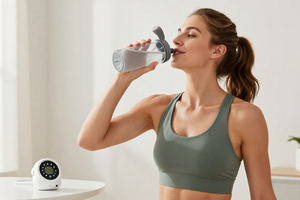
The best pre-cardio drink is simple and predictable: plain water. Aim to sip 8 to 12 ounces in the 30 to 60 minutes before your workout. If you’re exercising first thing in the morning, a very small 4-ounce glass of water is often enough to start hydrated without feeling sloshy.
For sessions longer than 75 minutes or in hot weather, you might add a minimal-electrolyte beverage or a piece of fruit for sustained energy—but keep the sugar low and the volume moderate. Listen to your body: what feels fine on the couch might feel terrible after a quarter mile.
Quick Guidelines for Pre-Cardio Hydration
- Skip the heavy stuff: No whole milk, cream-based drinks, or full-fat yogurt 60 to 90 minutes before exercise.
- Skip the sugar bomb: Avoid fruit juice, regular soda, and classic sports drinks right before a short workout.
- Skip the fizz: Carbonated energy drinks and sparkling water can cause bloating and belly pain.
- Stick with still water or a very light electrolyte blend if you need flavor.
Your pre-workout drink should be a supporting actor, not the star. Keep it boring, keep it clean, and your next cardio session will thank you.