
You finished your set, your arms are buzzing, and your wrists are talking to you — not in a good way. Maybe it’s that familiar dull ache on the top of the joint or a twinge near the base of your thumb. Either way, you know the feeling: your wrists feel strained after a workout, and you’re ready to hydrate and recover.
But here’s the thing: what you reach for in that first five minutes after exercise can either help calm inflammation or quietly make it worse. If your wrists are already grumbling, the wrong drink can amplify the stiffness, prolong soreness, or even mess with your body’s natural repair process. Let’s walk through three drinks you’ll want to skip — and smarter swaps to reach for instead.
1. Sugary sports drinks and electrolyte powders
It’s the obvious go-to after a sweat session: something colorful with a sporty label and promises of electrolytes. But most commercial sports drinks are loaded with high-fructose corn syrup or cane sugar — sometimes 30+ grams per bottle. Why does that matter for a strained wrist?
Excess sugar triggers a systemic inflammatory response. When your body’s already trying to repair micro-tears in connective tissue around your wrist joints, a spike in blood sugar can throw fuel on the fire. Think of it like this: inflammation is your body’s clean-up crew; sugar invites more guests to the party.
Quick swap: Try water with a pinch of sea salt and a squeeze of lemon. You’ll get sodium and citrate — real electrolytes — without the sugar spike.
2. Carbonated, caffeinated energy drinks
After a hard workout, fatigue is real. Reaching for an energy drink to “recharge” seems logical — until you look at what’s inside. Most energy drinks pack a double punch: high caffeine (often 150–300 mg per can) plus carbonation and artificial sweeteners.
Caffeine in moderate amounts isn’t inherently bad, but post-workout, caffeine can constrict blood vessels just when your wrists need increased blood flow to deliver oxygen and nutrients for repair. Carbonation can also contribute to a slightly acidic internal environment, which may slow tissue healing.
If you’re a coffee or tea lover, one cup an hour after a workout is usually fine. But a full-sugar, high-caffeine energy drink right after a session that left your wrists tender? Likely counterproductive.
3. Fruit juice cocktails and “health” smoothies from a shop
Juice sounds healthy — it’s fruit, right? But a typical 12-ounce bottle of grape or apple juice has about 45–50 grams of sugar with almost no fiber. Similarly, a shop-bought “post-workout” smoothie can pack 60+ grams of sugar from fruit concentrates, sweetened yogurt, or added honey.
Much like the sports drink problem, that sugar content drives inflammation. For wrists already strained from gripping, pushing, or supporting your body weight, inflammation is the enemy of recovery. Even natural sugars, when concentrated and consumed without fiber, spike blood sugar and insulin, which can amplify swelling in already-irritated joints.
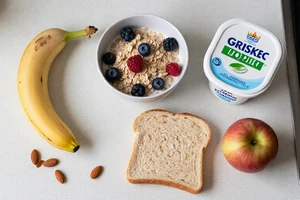
Better move: a small banana or a handful of berries eaten with a glass of water. You get the natural sugars your muscles need for glycogen replenishment, plus fiber and antioxidants that tame inflammation.
What to drink instead
You don’t need fancy potions. The number one drink for post-workout recovery — especially when joints feel strained — is plain water. But if you want a little more support, consider:
- Water with a pinch of magnesium powder — magnesium supports muscle relaxation and connective tissue repair.
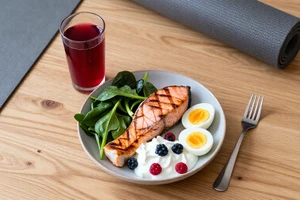
- Tart cherry juice (unsweetened, 4–6 oz) — research suggests tart cherries have anti-inflammatory properties similar to mild NSAIDs, which can help with joint soreness.
- Green or ginger tea (not too hot) — both are gentle anti-inflammatories that won’t spike your blood sugar.
Why the wrist connection matters beyond the drink
The drinks you choose after a workout are one piece of the puzzle. If your wrists feel strained regularly, it’s worth looking at your form, grip width, and whether you’re resting enough. But in the acute window right after exercise — the first 30 to 60 minutes — avoiding inflammatory beverages is a low-effort way to support your wrists without changing your training plan.
Bottom line: your wrists will thank you for choosing water or a low-sugar anti-inflammatory option over sugary, caffeinated, or carbonated drinks. It’s not about perfection — it’s about giving your body the clean building blocks it needs to repair.