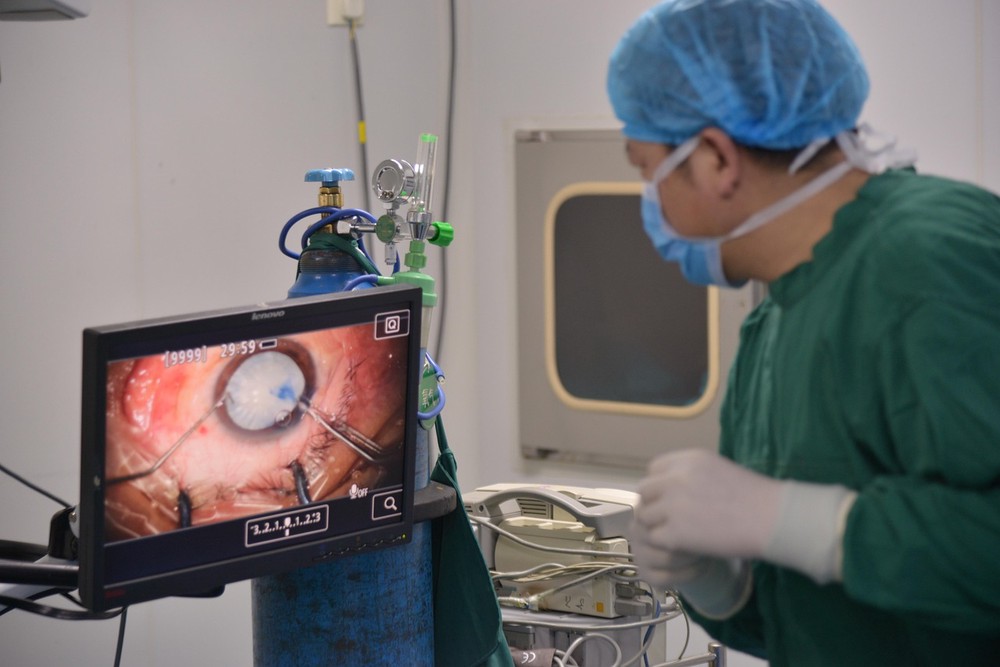
Recovery after surgery is a delicate process. Your body is channeling resources toward tissue repair, immune function, and inflammation control—all of which depend heavily on what you put into it. While most people focus on meals and supplements, beverages often get overlooked.
Certain drinks can interfere with blood clotting, increase inflammation, or blunt your body's ability to respond to anesthesia and pain medications. Here are three drinks to avoid during the post-surgical window—and smarter swaps that support healing instead.
1. Alcohol
Alcohol is the most well-documented beverage to avoid after surgery—and for good reason. It interferes with blood clotting, which raises the risk of bleeding complications. It also dehydrates tissues, slows wound healing, and can amplify the sedative effects of pain medications or anesthesia.
Why it matters: Even one drink can impair immune function for hours, and regular consumption during recovery has been linked to longer hospital stays and higher infection rates. Most surgeons recommend avoiding alcohol for at least two weeks after surgery, sometimes longer depending on the procedure.
What to drink instead: Sparkling water with a splash of tart cherry juice or a slice of lemon offers a celebratory feel without the risks. Tart cherry juice has anti-inflammatory properties that may support muscle recovery.
2. Grapefruit Juice
Grapefruit juice is surprisingly common in hospital fridges and home recovery trays—yet it can be dangerous after surgery. It contains compounds called furanocoumarins that interfere with the CYP3A4 enzyme system in your liver, which is responsible for metabolizing many medications.
Drug interactions to know:- Pain medications (including certain opioids) can become more potent or last longer than intended
- Blood thinners and anti-clotting drugs may accumulate to unsafe levels
- Anxiety medications and some antibiotics are also affected
The interaction can last up to 24 hours after a single glass, so it's not just a matter of drinking it at a different time of day. Most pharmacists and surgeons recommend avoiding grapefruit entirely for the duration of your recovery.
What to drink instead: Orange juice or cranberry juice (without added sugar) provide vitamin C and hydration without the dangerous enzyme interference. Cranberry juice may also help prevent urinary tract infections, a common post-surgical concern.
3. Caffeinated Energy Drinks and High-Caffeine Coffee
Energy drinks are a triple threat after surgery: high caffeine, excess sugar, and a diuretic effect. While moderate caffeine is not necessarily harmful, high doses can raise heart rate and blood pressure—both of which may be unstable during recovery. Caffeine also interferes with sleep, and rest is critical for tissue repair.
Why it matters: A single energy drink can contain 200–300 mg of caffeine, roughly the equivalent of two to three cups of coffee. The sugar spike causes inflammation, and the diuretic effect can lead to dehydration, which slows wound healing and increases constipation—a common post-surgical side effect.
What to drink instead: If you need a gentle lift, try a small cup of green tea or a matcha latte made with oat milk. Green tea provides about 30–50 mg of caffeine per cup—enough to help with alertness without overstimulating the nervous system—plus antioxidants called catechins that support immune function.
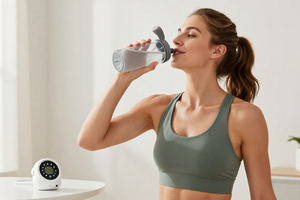
The golden rule for post-surgical hydration: aim for clear fluids that hydrate without interfering with medications, clotting, or sleep. Water always works.
The Recovery Hydration Strategy
Simple, non-negotiable habits can make a real difference in how quickly and smoothly you heal:
- Water is your baseline. Aim for small, frequent sips throughout the day rather than large gulps. Room-temperature water is often easier on a sensitive stomach.
- Add electrolytes. After surgery, especially if you had IV fluids or experienced vomiting, a low-sugar electrolyte drink (like coconut water or an unflavored electrolyte powder) can restore balance without sugar spikes.
- Warm broths count. Bone broth or vegetable broth provides fluids plus collagen-building amino acids. Just watch the sodium content if you are on a fluid restriction.
- Herbal teas. Ginger tea can settle nausea; chamomile supports sleep and reduces mild anxiety; peppermint tea may ease gas and bloating.
Recovery is a temporary phase, and small choices add up. Swapping out alcohol, grapefruit juice, and energy drinks for supportive alternatives helps your body do what it needs to do—heal itself efficiently.