
Healthy fats are a crucial part of a balanced diet, supporting everything from brain function to hormone health. Yet many people find that even when they reach for avocados, nuts, and olive oil, their weight or energy levels don't respond as expected. Often, the culprit isn't the fat itself, but the eating behaviors that accompany it. Understanding these common dietary mistakes can help you regain control over portions without demonizing the very nutrients your body needs.
Mistake #1: Eating Healthy Fats in Isolation
One of the most frequent errors is consuming fats on their own, without protein, fiber, or complex carbohydrates. A handful of almonds, a spoonful of nut butter, or a few slices of avocado can be satisfying, but they lack the structure that triggers satiety signals. Without fiber or protein to slow digestion, the body processes the fat quickly, leaving you feeling hungry again soon after. Pairing that avocado with a boiled egg, or those almonds with an apple, creates a more balanced snack that keeps blood sugar stable and hunger at bay for hours. The key is to think in combinations, not single ingredients.
Mistake #2: Ignoring Hidden Calorie Density
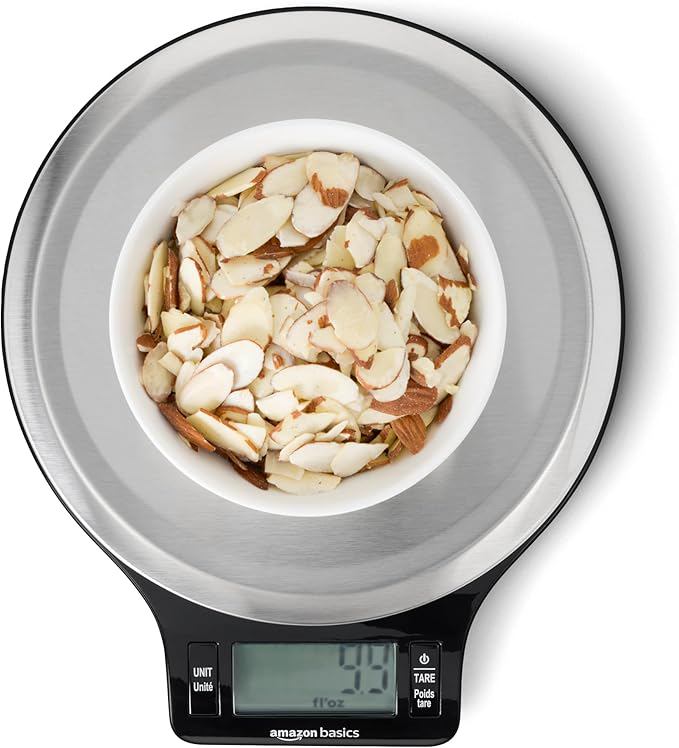
Healthy fats are calorically dense—by design. A single tablespoon of olive oil contains about 120 calories, and a quarter-cup of walnuts holds roughly 200. Many people pour dressing liberally over salads or snack on nuts directly from the bag, underestimating how quickly those calories add up. This isn't about avoiding fats, but about measuring or visually estimating portions. A simple pre-portioning habit—like using a small dish for oil or counting out a handful of nuts—can prevent the mindless intake that derails progress. The mistake lies in treating calorie-dense foods as 'freebies' just because they are nutrient-dense.
Mistake #3: Relying on Liquid Fats for Cooking Without Accounting
Olive oil, coconut oil, and ghee are staples in a healthy kitchen, yet they are often used liberally during cooking, with the calories never consciously counted. A drizzle here and a splash there can easily add 200 to 400 extra calories to a meal. This 'invisible' fat consumption is especially common when sautéing vegetables or roasting proteins. A more mindful approach is to measure oil with a spoon before pouring it into the pan rather than free-pouring from the bottle. This small habit brings awareness to an otherwise hidden source of excess calories, allowing you to enjoy the flavor and health benefits without overdoing it.
The solution isn't to cut out healthy fats—they are essential for nutrient absorption and long-term health. Instead, it's about context and awareness. Pairing fats with fiber, portioning calorie-dense foods, and measuring cooking oils are three simple adjustments that can transform your relationship with food. They allow you to enjoy the benefits of a fat-rich diet while staying in control of your overall intake.
A quick tip for daily practice: Before eating any fatty food, pause and ask yourself, 'Am I hungry, or am I eating out of habit?' That split second of awareness is often enough to make a better choice.
Ultimately, mindful eating is not about rigid rules. It is about understanding how your body responds to different foods and adjusting your habits accordingly. By correcting these three common mistakes, you can eat healthy fats with confidence—and without the guilt or the weight gain that so often follows.